
Uber Accident Lawyers in Summerville
- Free consultation
- No fee unless we win
- Available 24/7
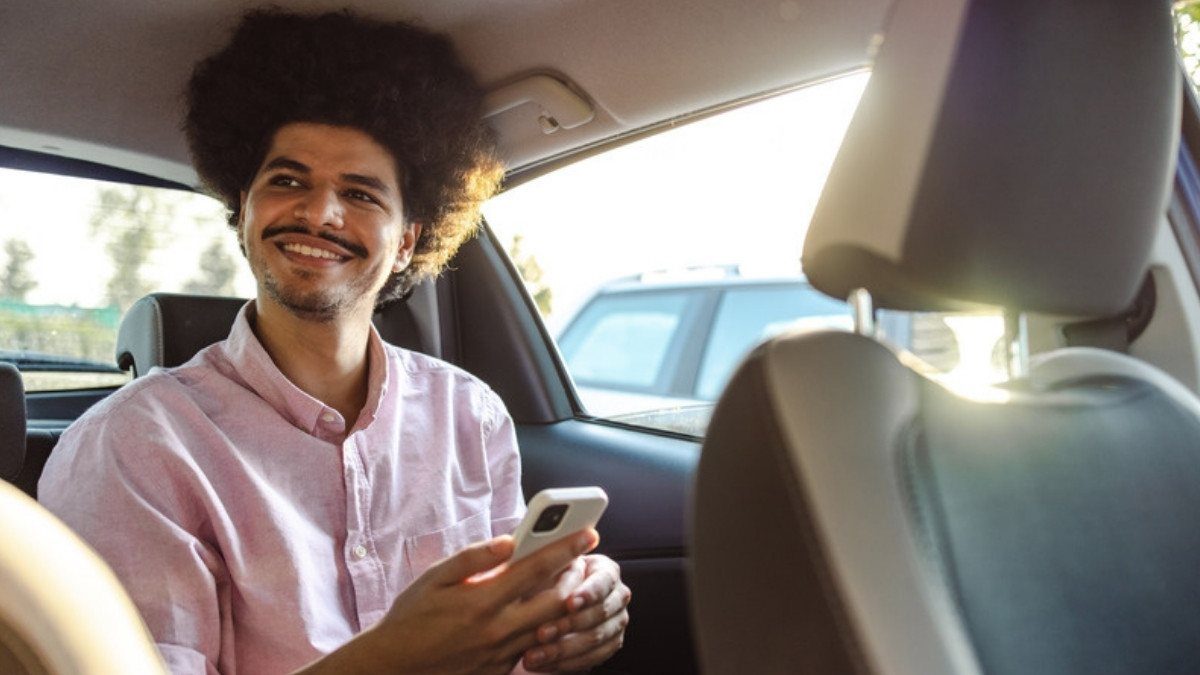
Where were you when the Uber crashed? Maybe you sat in its back seat, drove the car it hit or stood at the curb waiting for a ride. Maybe you were the Uber driver. Uber accident lawyers in Summerville start with that seat. South Carolina law sends each one toward a different policy and a different kind of proof.
Those rules sit in the rideshare article of the South Carolina Code, Sections 58-23-1610 to 58-23-1720. The article ties the required insurance to what the driver's app showed at the moment of impact. One crash can injure a rider, a motorist, a pedestrian and the driver. Each may claim against a different insurer. Before an adjuster takes your statement, note your seat, what the driver said about the app and the crash time.
Both attorneys at Frost Law Group, Jack C. Frost and Tara L. Frost, work rideshare cases from the Linwood Lane office. The firm represents Uber riders, Uber drivers, pedestrians and other motorists after rideshare crashes in and around the town. Jack's fourteen years in law enforcement began at the Summerville Police Department. He later served the Charleston County Sheriff's Office as a deputy and detective, then retired from that agency. Those years showed him how officers build an investigation file and what a report can miss.
Frost Law Group answers at (843) 419-6653, and a free, confidential consultation about the Uber crash starts with that call. Callers get an attorney, not a call center.
Free case review
Tell us what happened. An attorney will explain your options and what to do before you talk to the insurance company.
On this page
- How Uber Accident Lawyers in Summerville Handle a Passenger's Injury Claim
- When an Uber Driver Hits Your Car, How a Summerville Rideshare Crash Lawyer Proceeds
- Pedestrians and Cyclists Struck by Uber Drivers Near Summerville and Their Injury Attorney
- Claims for Uber Drivers Hurt by Other Motorists With a Summerville Injury Lawyer
- How a Summerville Uber Crash Attorney Matches the Trip Record to Coverage
- Call Uber Accident Lawyers in Summerville From Wherever You Are Recovering
How Uber Accident Lawyers in Summerville Handle a Passenger's Injury Claim
Section 58-23-1610 marks where a rider's coverage window opens and closes. It opens once the driver accepts your request in the app. It closes when the last requesting rider steps out. Throughout that window, Section 58-23-1630(C) calls for primary liability insurance of at least $1 million. Frost Law Group starts a rider's file by placing the crash inside or outside that window.
That $1 million is one combined limit for injuries, deaths and property damage. It is not $1 million per person. Primary means it pays ahead of any other policy. Because it is liability coverage, it pays only for harm the Uber driver is legally responsible for. A lawyer sorts out who caused the crash before counting on it. What a rider may recover depends on those facts and the proof behind them.
Which Driver's Insurer Answers to an Injured Uber Rider
A crash in the middle of a trip often involves two drivers. One is the Uber driver, and the other is someone else on the road. Section 15-38-15 generally holds a driver under 50% at fault to that driver's own share of the damages. A driver the jury places at 50% or higher can owe the whole award, so the limits on both policies matter. A rider may hold claims against both at once, and Frost Law Group can build each claim on its own terms before comparing the limits.
The Uber Driver Caused the Wreck
Picture an Uber driver on Dorchester Road who looks down at a phone and rolls through a red light. The rider in back has a claim against the $1 million tier. Coverage for that tier can come from the driver, the company or a mix of the two. If the driver's own insurance lapsed or excludes rideshare use, Section 58-23-1630(D) steps in. The company's insurer must then cover the claim starting at the first dollar and take on its defense.
Another Motorist Hit the Uber
Now suppose a different driver runs that light and hits the Uber. The rider's claim starts with that driver's liability policy. South Carolina's liability minimum is 25/50/25, set in Section 38-77-140. In dollars, it is $25,000 for one injured person, $50,000 for all injured people in the crash and $25,000 for property. Several hurt riders can claim more than that $50,000 allows. If the Uber driver also made a mistake, the $1 million tier may answer for that driver's share, or for the whole award once that share reaches 50%.
Can an Injured Uber Rider Also Use a Personal Auto Policy?
Sometimes, depending on the coverage you bought. Underinsured motorist coverage, called UIM, pays when the at-fault driver's limits fall short of the harm. South Carolina insurers must offer UIM under Section 38-77-160, though buying it is optional. The rideshare statute itself requires no UIM on the Uber.
Your household policy usually treats you as a Class I insured. The Supreme Court of South Carolina used that label in its 1998 Concrete Services decision. Under the policy on someone else's car, a guest counts as Class II. Only Class I insureds may stack, meaning add UIM from more than one policy together. If none of your own cars was in the crash, the statute caps you at the UIM on a single one of them. Frost Law Group reads your declarations page before anyone counts on that money.
Pedestrians and Cyclists Struck by Uber Drivers Near Summerville and Their Injury Attorney
You request an Uber on South Main Street and see the car stop across the road. You step off the curb to meet it. The driver glances at a phone, rolls forward and hits you. Because that driver had already accepted your trip, the $1 million tier stands behind your claim even though you never got in.
Frost Law Group handles on-foot claims like this one under the same coverage rules that protect riders inside the car. Statewide in 2024, SCDPS counted 1,144 collisions involving a pedestrian, and 158 pedestrians died. By the agency's collision clock, that is one pedestrian death every 2.3 days. Bicyclist deaths rose to 34 from 26 the year before.
For Uber accident lawyers in Summerville, the first question at the curb is who owed what duty. Who pays after a particular strike, and how much, turns on fault and coverage facts a lawyer has to confirm.
Fault Rules When a Pedestrian Meets an Uber at the Curb
Under Section 56-5-3230, drivers owe due care to avoid striking anyone on foot or on a bicycle. It also calls for proper precaution on seeing a child, or a person who is obviously confused, incapacitated or intoxicated. Pedestrians carry duties too. Anyone crossing outside a crosswalk must yield to traffic under Section 56-5-3150. Section 56-5-3130 separately bars darting off a curb in front of a close vehicle. A jury can divide fault between the two, and a walker whose share tops 50% recovers nothing.
Cyclists Near Uber Pickup and Drop-Off Spots
Pickups pull cars toward the curb. Section 56-5-3430 generally keeps cyclists near the right side of the road, so the two meet there. A bicycle rider has the rights and duties of any other driver under Section 56-5-3420. Motorists, for their part, must keep a safe operating distance from a bicycle under Section 56-5-3435. Two more rules apply when an Uber stops to load or unload.
A Rear Door Opened Into a Cyclist's Path
Section 56-5-3822 allows a car door to open only when that is reasonably safe and other traffic can keep moving without interference. The duty falls on any person, including a rider climbing out of the back seat. The same section bars leaving a traffic-side door open longer than loading or unloading takes.
Think of a cyclist struck by a swinging rear door at a drop-off along Old Trolley Road. That cyclist may have claims against the rider, the Uber driver who picked the stop, or both. Whether the $1 million tier still stood behind the Uber driver as the rider stepped out is a timing question for the trip record.
Stopping in a Bike Lane or on a Crosswalk
Section 56-5-3425 bars a motor vehicle from blocking a marked bike lane to oncoming bike traffic. A driver must also yield to a cyclist in that lane before entering or crossing it. Section 56-5-2530 separately bars stopping on a crosswalk or double-parking beside a car at the curb. Its exceptions cover avoiding a conflict with other traffic and following an officer or a traffic-control device. An Uber that swerves into a bike lane for a pickup and clips a rider may have broken Section 56-5-3425. Double-parking that pushes a cyclist into the travel lane raises Section 56-5-2530 too. Frost Law Group checks that point against the report and any video.
Can Your Own Auto Policy Pay When an Uber Hits You on Foot?
It may. Section 38-77-30 defines insureds to include the policyholder, a spouse and relatives in the household. The definition applies "while in a motor vehicle or otherwise." Those words can reach someone walking or riding a bike. Suppose the Uber driver had the app closed and carried only the 25/50/25 minimum. UIM on your own policy may then help, and UM may help if the driver had no insurance at all, depending on the policy terms.
The bills for a brain or spinal cord injury may run past what a 25/50/25 policy pays, which is when your own coverage matters most. Frost Law Group also represents people in catastrophic injury cases, such as brain and spinal cord harm after a pedestrian strike.
Claims for Uber Drivers Hurt by Other Motorists With a Summerville Injury Lawyer
It is easy to assume the $1 million policy pays for the Uber driver's own injuries. It does not. The $1 million, like the 50/100/50 minimums, is liability coverage. Liability coverage pays the people an insured driver harms, not the insured driver. When another motorist causes the wreck, Frost Law Group aims the Uber driver's injury claim at that motorist.
Picture an Uber stopped in traffic on Central Avenue when a pickup truck plows into its rear bumper. The rider in back and the Uber driver may both claim against the pickup driver's policy. They may end up competing for the same limits. A jury can trim the Uber driver's award by any share of fault it assigns. A share over 50% ends the claim. Tara and Jack Frost can explain those rules, but no attorney can promise how fault will split in a given wreck.
When the Other Driver Has No Insurance or Leaves the Scene
Uninsured motorist coverage, or UM, pays for harm caused by a driver with no insurance. In some cases it also pays when no one can identify the driver. South Carolina makes UM mandatory under Section 38-77-150, and both rideshare tiers require it at that basic level. For an Uber driver, the first question is which policy's UM still applies during app time.
Personal Policy Exclusions and Rideshare Endorsements
Section 58-23-1625(A) lets a personal auto insurer exclude any loss that happens while the app is on or a trip is underway. The exclusion can reach the driver's own UM and underinsured motorist coverage. It is permission, not a requirement. Subsection (B) lets an insurer cover rideshare use anyway, by contract or endorsement. Frost Law Group reads the driver's personal policy for that language. It also asks for the written coverage notice the company must give drivers under Section 58-23-1635.
A Hit and Run Driver Under the 2024 Rewrite of Section 38-77-170
South Carolina rewrote its unknown-driver rules in 2024, effective May 20, 2024. To reach UM benefits when the at-fault driver stays unknown, the injured person must meet three conditions. Police must receive a report within a reasonable time, and a qualifying proof route must exist. Finally, the statute bars the claim if the injured person's own negligence explains why no one identified the other driver.
Contact, a Witness or the Uber Driver's Dashcam
The proof can be physical contact with the unknown car. It can also be an eyewitness who is neither the owner nor the driver of the insured car. That witness signs an affidavit carrying the statute's printed warning about false statements. Read literally, that description fits a rider in the back seat. A third route is video or another recording showing the unknown car caused the crash, such as a dashcam clip. The witness and recording routes are less clear in a lawsuit, because Section 38-77-180 still speaks of physical contact.
Calling Police From the Roadside
Section 38-77-170 sets no fixed hour count for the police report, only a reasonable time under all the circumstances. Separately, Section 56-5-1260 requires immediate notice of any injury crash. Inside Summerville that notice goes to the town police. Outside a town, the driver calls the county sheriff or the nearest State Highway Patrol office. A driver who calls police from the scene and asks the rider to note the fleeing car helps satisfy both rules.
Damage to the Uber Driver's Own Car
If another motorist caused the wreck, the repair claim starts with that motorist's property damage liability. A personal insurer may also exclude the driver's own collision and other physical damage coverages during app time under Section 58-23-1625(A). The rideshare statute requires liability and UM coverage, not coverage for the driver's own car. If the company's insurer does pay a collision or other physical damage claim, Section 58-23-1630(I) controls the check. It goes to the repair shop, or jointly to the owner and the primary lienholder.
How a Summerville Uber Crash Attorney Matches the Trip Record to Coverage
Every Uber trip must end with an electronic receipt. Under Section 58-23-1660, it shows the pickup point, destination, total time and distance, fare and the driver's first name. That receipt, the company's trip log and the officer's crash report each carry a time. Frost Law Group lines those times up before arguing about which policy applies.
Small gaps can move a claim between tiers. A crash just after acceptance falls in the $1 million tier, while one a moment earlier may fall in the 50/100/50 tier. After log-off, only the personal policy may remain. The tier is a question of fact, and records answer it.
Four Moments That Set the Coverage Tier
Four moments matter in almost every Uber claim. The driver logs on, then accepts a request, then drops off the last rider and later logs off. The crash time on the report has to fit somewhere among those four. Statutory records cover most of them, though no single record holds all four. A lawyer has to assemble them from the company, the insurers and the police.
Log-In and Acceptance Times in the Three-Year Trip Record
Section 58-23-1670 obliges the company to retain its South Carolina trip records for three years after each ride. Each record must list the driver's log-in time and when and where the service started. Section 58-23-1610 defines service as starting at acceptance, when the driver heads toward the passenger. So the retained record should show the moment the $1 million tier began. It also names the delivery address and the fare charged.
Log-Off Times From the 12-Hour Exchange
The statute's list of trip-record items includes log-in times but not log-off times. Those come through Section 58-23-1625(D), which covers 12 hours on each side of the crash during a claims coverage investigation. The exchange runs among the company, the insurers and the people directly involved. It is not a public records right, so Frost Law Group pursues it within the coverage investigation. The receipt's total trip time can help place the drop-off.
The Crash Time on the Officer's Report
Inside the town, the Summerville Police Department at 108 North Cedar Street points drivers to CrashDocs for its collision reports. CrashDocs is a third-party site. The department's Traffic Safety Unit has officers with training in at-scene, technical and reconstruction crash investigation. Their scene measurements can place each car at the moment of impact. Frost Law Group can check each report's times and narrative against the trip data.
The South Carolina Department of Motor Vehicles sells the official copy for $10 per report. You can order it online, at an SCDMV branch or by mail using Form FR-50. The agency says its copy holds more detail than the papers drivers receive at the scene. SCDMV cannot release that copy until it has received and processed the officer's report.
Will Uber Hand Over a Rider's Trip Data?
Not on request from just anyone. Section 58-23-1670 lets the company share a rider's or driver's personally identifiable information with outsiders in three situations. The person consents, the law requires it, or the company is investigating a breach of its terms of use. A rider's own consent is one route, and a lawsuit can create the legal duty.
Timing matters on both ends. Most South Carolina injury suits face a three-year filing deadline under Section 15-3-530. The company only has to keep trip records for three years after the ride. When the filing clock started is a question a lawyer answers from the facts. Frost Law Group handles Lyft rider and driver claims under the same record rules. In any rideshare case, it asks for the trip data early.
Call Uber Accident Lawyers in Summerville From Wherever You Are Recovering
The call works the same from a Charleston recovery room, a Knightsville couch or a car still waiting on repairs. Tell Frost Law Group which seat you held when the Uber crashed. An attorney can start matching that seat to the policies that may apply.
Gather what you can first. The trip receipt, screenshots of the driver and plate, the report number, scene photos and your own declarations page all help. Bring them to a free and confidential consultation, which carries no obligation.
Frost Law Group's Uber accident lawyers in Summerville work from 128 Linwood Lane, Summerville, SC 29483. Doors open at 9 AM on weekdays. Closing time is 5 PM from Monday to Thursday and noon on Friday. The office sets Friday afternoon appointments on request.
Call (843) 419-6653 and name your seat, or send Frost Law Group the Uber crash date online with a good time to talk.
The attorneys at Frost Law Group
 Tara L. FrostAttorney at Law · Personal injuryTara L. Frost focuses on personal injury, car accident and truck accident claims. A lifelong resident of the tri-county area, she meets clients at the Linwood Lane office in Summerville.
 Jack C. FrostAttorney at Law · Former Summerville police officer and Charleston County Sheriff's Office detectiveJack C. Frost spent fourteen years in law enforcement with the Summerville Police Department and the Charleston County Sheriff's Office before he practiced law.