
Dog Bite Attorneys in Summerville
- Free consultation
- No fee unless we win
- Available 24/7
A dog bolts through an open gate on your street and bites your leg. Or a friend's dog snaps at your hand during a backyard cookout. Either way, you may need stitches before anyone has apologized. Dog bite attorneys in Summerville begin with the question South Carolina's statute asks first. Where were you when the dog attacked, and did you have a right to be there?
Section 47-3-110 of the South Carolina Code puts the cost of a bite on the dog's owner or keeper. You do not have to prove the owner was careless. You do have to show you were in a public place or lawfully on private property. The statute also stops applying when a victim's provocation caused the attack. Get medical care first. If no physician treats the wound, the duty to notify the county health department shifts to the adult who was bitten, or to the parent of a bitten child. That notice is due by the close of the following working day.
Frost Law Group belongs to a husband and wife, Tara L. Frost and Jack C. Frost, whose romance started at Summerville High School. The firm represents people hurt by dogs on sidewalks, in neighbors' yards and in rental communities. Tara L. Frost presided as a Dorchester County Magistrate Judge for more than three years, a term that began in July 2022 and ended in August 2025. She later sat as a Dorchester County Associate Probate Judge until June 2026. Those years on the bench taught her what separates evidence a judge trusts from evidence a judge discounts, and how heavily preparation and credibility weigh.
Call Frost Law Group at (843) 419-6653 for a free, confidential consultation about the bite. A lawyer answers the phone, not a call center operator, and a question alone commits you to nothing.
Free case review
Tell us what happened. An attorney will explain your options and what to do before you talk to the insurance company.
On this page
- How Dog Bite Attorneys in Summerville Use South Carolina's Strict Liability Statute
- What a Summerville Dog Attack Lawyer Proves After a Bite in a Public Place
- Bites on Private Property and What a Summerville Dog Bite Lawyer Must Show
- Provocation and Other Defenses a Summerville Animal Attack Attorney Expects
- How a Summerville Dog Bite Injury Attorney Handles a Child's Claim
- Bite Reports and Rabies Quarantine Rules a Summerville Dog Bite Lawyer Tracks
- Whose Insurance Pays When a Summerville Dog Bite Lawyer Files a Claim
- Call Dog Bite Attorneys in Summerville Before the Insurer Calls You
How Dog Bite Attorneys in Summerville Use South Carolina's Strict Liability Statute
Under Section 47-3-110, the owner, or anyone with the dog in "care or keeping," is liable for the damages the victim suffers. At Frost Law Group, every bite claim starts with that sentence of the Code. In Clea v. Odom, a 2011 decision, the South Carolina Supreme Court said the statute imposes strict liability on the owner. Strict liability means the owner pays for the harm without any proof of negligence, the legal word for carelessness.
The statute speaks only of dogs, so a bite from a cat or a horse falls outside it. For a dog bite, the claim needs proof on four points and a record of the losses. How strong each point is depends on the facts, and no lawyer can predict a result at the start.
Four Points a Section 47-3-110 Claim Has to Establish
First, a dog bit you or otherwise attacked you. Second, the person you hold responsible owned the dog or had it in care or keeping. Third, the attack happened somewhere the statute covers, meaning a public place or private property you had a lawful right to be on. Last, the attack caused damages.
Proof on each point is easiest to gather while witnesses still remember the scene. Dog bite attorneys in Summerville also watch for the point an insurer is likely to contest.
Knockdowns and Chases Under the Words Otherwise Attacked
The statute reaches a person "bitten or otherwise attacked," so teeth need not break the skin. Picture a large dog charging a cyclist on a neighborhood street and knocking the rider onto the pavement. The rider may have a broken wrist and no bite mark at all. Frost Law Group handles strict liability claims under the dog bite statute that involve fractures and bruises like that, not only punctures. Whether a jump or chase counts as an attack remains a fact question. Video, witness accounts and the dog's behavior before contact can help answer it.
Owners and Keepers Who Answer for the Dog
Liability runs to the owner and to any "person having the dog in the person's care or keeping." In Harris v. Anderson County Sheriff's Office, the Supreme Court explained what that phrase requires. A keeper must act in a way that shows acceptance of responsibility for the dog. A relative who takes in a dog while its owner travels may meet that test. So may a neighbor who agreed to feed and walk the dog for a week.
Owning part of a house is not enough by itself. A 1999 Court of Appeals decision shows the limit. A daughter held a minority share in her mother's home but had not lived there for five years. The court found she owed no duty to a child bitten in the yard by her mother's dogs. Her brother lived in the home and served as the dogs' caregiver and keeper.
Damages a Bite Victim Can Seek
Economic damages are the losses a receipt or pay stub proves. After a bite, they can include the emergency room bill, wound care and follow-up visits. Rabies treatment, scar care a physician prescribes and wages lost while healing belong there too. Noneconomic damages pay for losses no invoice captures. Examples include pain, visible scarring and a fear of dogs that a treating provider documents.
Frost Law Group can build the damages file one bill at a time. What any claim may bring still depends on the injury, the coverage available and the quality of the records.
What a Summerville Dog Attack Lawyer Proves After a Bite in a Public Place

A woman walks her toddler down a Main Street sidewalk. A loose dog runs from a side yard and bites her calf. Main Street in Summerville is US 17A, a public road, so the location question answers itself. What remains is proving whose dog it was and what the bite cost her. A loose dog gets harder to trace with each passing day.
Summerville's streets also cross county lines. In the Census Bureau's 2025 estimates, the Charleston County side of town held 2,655 residents. The Berkeley County side held 5,798, and the Dorchester County part held 44,724. Frost Law Group represents injured people across the counties around Summerville, from the Berkeley side of town to the Dorchester side. County lines can still matter after a bite, because the owner of a dangerous dog must register it with law enforcement in the county where the owner lives.
What the Statute Means by a Public Place
Section 47-3-110 does not define "public place." Streets, sidewalks and public parks fit the ordinary meaning of the words. A store's parking lot or a shared neighborhood trail can raise a closer question for a court.
Even then, a shopper generally has an implied invitation from the business. That invitation lets the claim proceed under the statute's lawful presence language instead. When the location is unclear, a lawyer can plead both routes.
Tracing the Owner of a Loose Dog
An owner who calls the dog back and walks away can leave a victim with no name for the claim. Without one, the claim has no defendant. South Carolina's rabies laws create records that help fill that gap. Frost Law Group can use them alongside neighbors, delivery drivers and anyone else who saw the dog. The goal is a named owner or keeper and an address.
The Rabies Tag on the Dog's Collar
Section 47-5-60 requires every pet owner to keep the dog's rabies vaccination current. A licensed veterinarian, or someone under a veterinarian's direct supervision, gives the shot. The veterinarian then issues a serially numbered metal tag with the clinic's name and phone number. Each dog must wear its tag at all times. The veterinarian also keeps a copy of the vaccination record for at least three years. A tag number photographed at the scene can lead to the owner and to proof of the dog's rabies status.
Neighbors, Doorbell Video and Delivery Drivers
Home security cameras along a residential street can catch a loose dog before it reaches anyone. Many systems record over old footage, so a written request sent early can matter. A lawyer can make that request and note witness names while memories are fresh. A mail carrier or delivery driver who covers the same route may know which house the dog came from.
Leash Rules and Running at Large Under State Law
State law says a dog is "running at large" when it is off its owner's premises and not under physical control. A leash or similar restraint supplies that control. Section 47-3-50 makes letting a dog run at large a misdemeanor where a county or town has adopted its penalty provisions. A first offense carries a $50 fine.
Section 47-3-20 also lets counties and towns write their own animal control ordinances. The local rule where the bite happened needs checking. A leash violation is not an element of a Section 47-3-110 claim. It can still help show how the attack unfolded.
What if the Dog Was on a Leash When It Bit?
A leash does not end the claim. The statute imposes liability for a bite in a public place and carves out no exception for leashed dogs. Suppose a dog on a six-foot lead lunges at a shopper outside a store on Dorchester Road. The owner's liability does not turn on the leash, subject to the statute's own exceptions. Who held the lead still matters, since that person may also have had the dog in care or keeping.
Bites on Private Property and What a Summerville Dog Bite Lawyer Must Show
Were you invited onto the property, or there because the law sent you? On private land, Section 47-3-110 protects only a person who is lawfully there. The statute counts two groups as lawful visitors. One is anyone performing a duty imposed by state law, a local ordinance or federal law, including postal regulations. The other is anyone on the property by invitation, express or implied, of the owner, a lawful tenant or a resident.
Dog bite attorneys in Summerville start by mapping the property. Who invited whom can change which person answers for the bite. A backyard cookout, a front-porch delivery and an apartment courtyard raise three different sets of questions. Whether a visitor counts as lawfully present depends on facts a lawyer reviews. Trespassers fall outside the statute.
Guests Inside the Dog Owner's Home
The statute names the owner's own property as a covered location. A dinner guest bitten by the owner's dog in the kitchen has a claim. The owner cannot defend by pointing out that the guest was inside the owner's house. Invitations can be express, like a text asking a friend to come over. An implied invitation might come from a birthday party open to the neighborhood's children. A guest who stays after the host asks everyone to leave may present a harder case. The invitation may have ended.
An invitation need not come from the person on the deed. South Carolina's statute also counts one from a lawful tenant or resident. A roommate, or an adult child living at home, can invite a friend inside, and that friend is lawfully present.
Letter Carriers and Others on the Property Under a Legal Duty
Lawful presence also covers a person on the property "in the performance of a duty" imposed by law. The statute names postal regulations as one example, so a letter carrier on a porch falls within it. Frost Law Group can trace any other visit to the specific law behind it, because that law settles the visitor's right to be there. A code officer or a deputy serving court papers may fit the same language. That depends on whether state law or a local ordinance sent the person to the door.
Bites in Your Own Yard or a Neighbor's
The victim does not have to be on the dog owner's land. Suppose a neighbor's dog slips under a fence and bites you beside your own garden. You were lawfully in a private place, your own yard, so the statute reaches the bite. The same reasoning covers a friend's driveway where you were visiting when someone else's dog wandered over. The work then shifts to proving ownership, since the location question favors the victim.
Rental Homes and Apartment Complexes
Tenants keep dogs, and tenants' guests get hurt. South Carolina's general rule protects the landlord in that setting. Under the common law, the body of rules courts build through their decisions, a landlord is not liable to a tenant's guest for a bite by the tenant's dog. The rule covers dogs kept on leased property. In Fair v. United States, the Supreme Court held that the fit-and-habitable duty in the Residential Landlord and Tenant Act leaves that rule in place.
Frost Law Group handles apartment injury claims against complexes when a landlord's own conduct is part of what happened. Without that conduct, the tenant who owns the dog still answers for the bite under Section 47-3-110.
When the Landlord Never Kept the Dog
In Bruce v. Durney, a 2000 decision, the Court of Appeals refused to hold a father liable for a dog owned by his daughter and son-in-law. He owned the land where their family lived rent-free. He neither owned the dog nor cared for it. Gilbert v. Miller, a later Court of Appeals case, involved a lease that barred dogs from multifamily units. The court held the injured visitor could not use that lease to create a duty. She was neither a party to it nor its intended beneficiary.
Common Areas Under the Landlord's Control
Clea v. Odom opened a narrow path. A tenant had kept a dog chained to a tree in the common area of a two-building complex for nearly ten years. It attacked a two-year-old visitor. The Supreme Court reversed the pretrial ruling for the landlord on the strict liability claim and on a negligence claim.
Control Plus Care or Keeping
Under the statute, a landlord who is not the dog's owner must control the premises and assume some care or keeping of it. The landlord in Clea had exclusive control of the common area. He knew the tenant kept the dog chained there, and the dog stayed in that spot continuously. On those three facts, the Court found a jury question on whether he had the dog in his keeping.
Knowledge of an Earlier Attack
The negligence theory rested on the landlord's duty under Section 27-40-440 to keep common areas reasonably safe. Earlier, the dog had attacked a six-year-old. The record also held evidence that the landlord threatened to make the tenant remove the dog but never followed through. On that proof, the Court held a landlord could face liability for an attack in a common area.
Provocation and Other Defenses a Summerville Animal Attack Attorney Expects
Many owners believe a dog gets one free bite. South Carolina's statute has no such rule. It never asks whether the dog had growled at anyone before, or whether the owner knew of a mean streak. Its defenses are narrow. An owner can argue provocation, unlawful presence or the police dog exception. The filing deadline can also end a claim.
What did the victim do in the seconds before the attack, and where did the victim stand? Those answers often predict which defense an insurer will raise, so Frost Law Group can prepare for it early. How a court weighs any defense turns on the evidence. No attorney can promise how a judge or jury will see it.
Provocation That Caused the Attack
The provocation exception needs two facts. The victim must have provoked or harassed the dog. That provocation must also have been the proximate cause of the attack. Proximate cause means the provocation led to the attack in a direct, foreseeable way. The statute joins the two with the word "and," so both must be present. Teasing that happened long before an unrelated bite may not satisfy the second part.
Teasing Through a Fence or Poking a Chained Dog
Picture a teenager who pokes a chained dog with a stick. The dog bites him when he steps closer. That is the classic provocation argument. Teasing through a fence raises the same argument, as when a child rattles a gate until the dog lunges at the gap. Even then, the owner has to tie the teasing to the bite, and timing, distance and witness accounts can cut against the owner's version.
Force Used After the Attack Began
Owners sometimes say the victim kicked or hit the dog. Force used to stop an attack already under way differs from provocation that started one. For a dog that qualifies as a dangerous animal, Section 47-3-770 goes further. A person lawfully on the owner's premises may use reasonable force to repel the attack. That holds whether the person is the target or a witness, and the person owes no damages for it.
Trespassers and the Lawful Presence Requirement
A person who enters private property with no invitation and no legal duty falls outside Section 47-3-110. South Carolina's dangerous animal law likewise leaves out a dog that attacks a trespasser. Implied invitations blur this line, though. A child who follows a ball into a neighbor's open yard can present a real dispute. So can a canvasser who knocks on a front door. Courts resolve those disputes on the facts.
Police Dogs and the Bystander Rule
The statute exempts a dog working in a law enforcement capacity with a government agency. Six conditions must all hold. The dog must act in direct and complete compliance with a lawful command from its handler. Its training and its credentials must both meet standards the South Carolina Law Enforcement Training Council adopted. The agency must have a written policy on police dog use.
Both the handler and dog must follow that policy and avoid excessive force. No exemption covers a bite on a third-party bystander. Frost Law Group can compare the agency's written policy with what happened at the scene. When the exemption fails, a claim against the agency falls under the South Carolina Tort Claims Act and its own rules. Under Section 15-78-110, the suit itself has a two-year window, measured from the day the loss was discovered or reasonably could have been. Three years become available if the claimant first lodges a verified claim with the agency. Section 15-78-80(d) adds a catch, since the agency must actually receive that claim before the first anniversary of the starting date. Recovery generally stops at $300,000 per person.
Can the Owner Blame Someone Who Is Not in the Lawsuit?
Act No. 42 of 2025 lets a jury assign fault to a nonparty, a wrongdoer nobody sued, in many injury cases. Lawyers call that nonparty the empty chair. The procedure itself is new with that act, and it covers only a claim that arose or accrued later than January 1, 2026. Subsection (H) of Section 15-38-15, added by the same act, keeps a nonparty off the verdict form when the causes of action involve strict liability. A suit that pairs a strict liability count with a negligence count raises harder questions, which a lawyer studies case by case.
Filing Deadlines an Owner's Insurer Will Check
Three years is the general window to file a bite suit, and Section 15-3-530 supplies it. The window opens under Section 15-3-535 once the injured person discovers the claim, or should have with reasonable diligence. A bite by a government agency's dog follows the Tort Claims Act's separate timing rules instead.
St. George, not Summerville, is the Dorchester County seat. The county's Court of Common Pleas, which hears civil injury suits, meets in the county courthouse there. Which deadline and which court apply depends on facts a lawyer confirms early.
How a Summerville Dog Bite Injury Attorney Handles a Child's Claim

At 295 Midland Parkway, HCA Healthcare Summerville Hospital keeps a 24-hour emergency room with a separate 10-bed pediatric ER. It is not a trauma center. Field triage protocols decide where an ambulance crew takes an injured child, and a child with grave injuries may end up at MUSC in Charleston. MUSC appears on the Department of Public Health's trauma list as South Carolina's only Pediatric Level I center. Those emergency records capture a child's injuries at the earliest point.
Children bring different rules into a bite claim. Frost Law Group handles bite claims for injured children, which can carry a longer filing deadline and a court approval requirement for any settlement. If no physician treats a child's bite, the parent carries the duty to report it. Each rule turns on the child's age and the size of the claim, which dog bite attorneys in Summerville review before advising a family.
Extra Filing Time Under Section 15-3-40
Section 15-3-40 treats being under 18 as a legal disability that generally pauses the filing deadline. The pause has a cap, and the extra time runs out one year past the 18th birthday. So a bite at age six may leave the child until turning 19 to sue.
A 17-year-old bitten today gains nothing from the rule, because the regular three years outlast the cap. Lawyers call this kind of pause tolling, and it protects the child's own claim. Whether it reaches any related claim is a separate question, so dog bite attorneys in Summerville check each one promptly rather than assume the extension covers it.
A Parent's Duty to Report When No Doctor Treats the Bite
Some families clean a small bite at home and skip the doctor. Section 47-5-90 then shifts the reporting duty to the parent or guardian. DPH tells parents in that position to contact their regional public health office by the end of the following business day. A timely report also lets the health department order the ten-day observation of the dog, and that observation can inform a doctor's rabies decision.
Which Court Approves a Minor's Bite Settlement
A parent cannot always sign a release for a child. Section 62-5-433, last amended in 2024, sets dollar lines that decide which court, if any, must approve a minor's settlement. A release is the signed paper that ends the claim in exchange for payment. The measure is the net amount the child receives. The gross figure the insurer pays does not control.
Settlements Over $25,000 Net to the Child
For a claim over $25,000 net, the circuit court must approve, sitting either in the child's county of residence or in the county handling the lawsuit. The petitioner files a verified petition, a request sworn as true, and must vouch that the settlement is in the minor's best interests. Money from an approved settlement then flows through a conservator, a person the court appoints to manage the child's money. Otherwise it stays under a probate court protective order, which controls how the child's property is handled.
Claims of $25,000 or Less
Smaller claims follow a looser path. For $25,000 or less, approval can come from the circuit court or from the probate court of the child's county. A conservator may also settle a claim that size without court approval. At $2,500 or less, a parent or guardian may settle with no court approval and no conservator. The South Carolina Judicial Branch lists minor settlements under $25,000 among the matters probate courts handle.
Can a Dog Count as an Attractive Nuisance to a Child?
Under Clea v. Odom, no. Attractive nuisance is a doctrine requiring a landowner to guard an artificial condition that is especially attractive to children. The Supreme Court held that a dog cannot be an artificial condition. So the doctrine does not reach a dog. A child's claim runs through Section 47-3-110 and ordinary negligence instead. For a child hurt at a rental complex, the common-area holding in Clea may also apply.
Bite Reports and Rabies Quarantine Rules a Summerville Dog Bite Lawyer Tracks
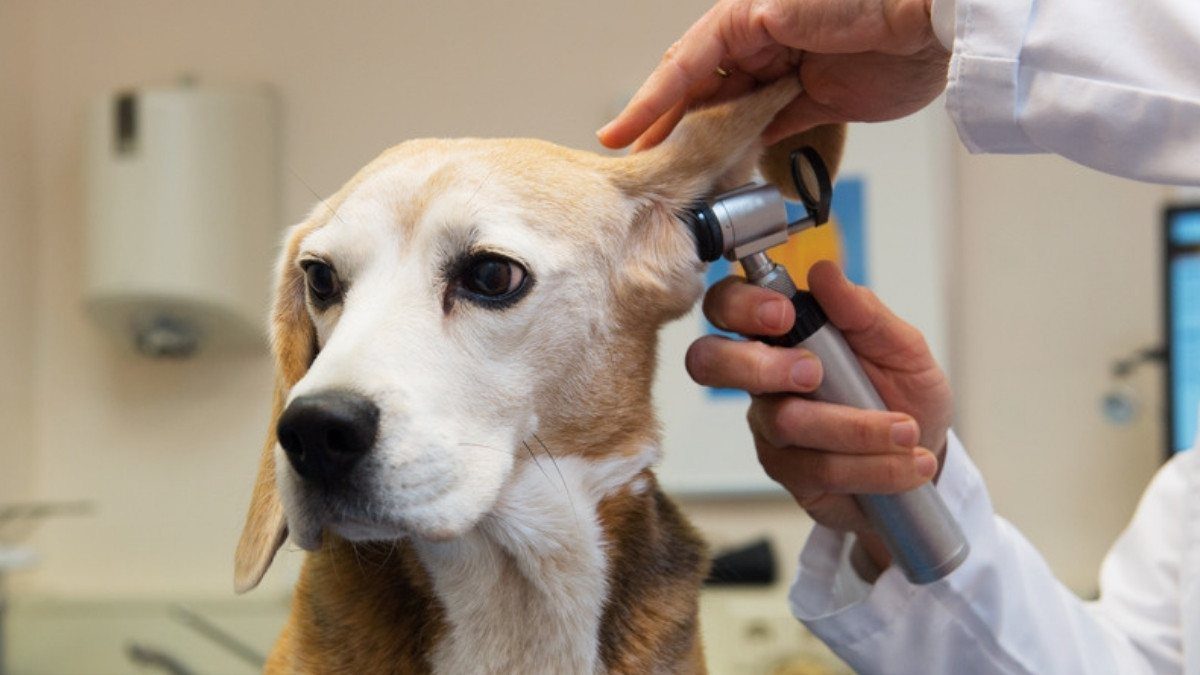
Every reported bite starts a legal process, even though rabies in a dog is rare. Frost Law Group's dog bite attorneys in Summerville can request the records that process leaves behind. Department of Public Health staff investigate more than 14,000 potential rabies exposures in South Carolina each year. That figure comes from the agency's World Rabies Day release of September 28, 2026. From 2019 through 2025, the state's public health laboratory confirmed rabies in 760 animals, and only 7 of them were dogs.
Rabies does reach Summerville. In July 2024, DPH confirmed rabies in a bat found near Crooked Stick Court in town. DPH required quarantine for the one dog the bat exposed, as the Rabies Control Act directs. DPH also reported that one of South Carolina's 78 confirmed rabies cases in 2023 came from Dorchester County.
Who Reports a Bite and How Fast
Section 47-5-90 puts the first duty on the treating physician. The doctor has until the end of the following working day to report the bite to the county health department. The report lists the patient's name, age, sex, weight, address and phone number. If no physician treats the bite, the bitten adult must report it. For a child, the parent or guardian reports by the same deadline.
The statute still names the Department of Health and Environmental Control. Act No. 60 of 2023 abolished DHEC effective July 1, 2024, and moved its health programs to the new Department of Public Health. The Department of Public Health's rabies guidance sends bite reports to its county offices during business hours. Nights, weekends and holidays go to a 24-hour reporting line.
The Ten-Day Quarantine Notice Served on the Owner
After a dog, cat or ferret bites a person, Section 47-5-100 has the county health department serve the owner with a quarantine notice. The quarantine lasts at least ten days, and the owner pays for it. It can happen at the owner's home, at an animal shelter or at another place the notice names. A licensed veterinarian or the rabies control officer may examine the animal at any time during those ten days, even daily.
For other animals, the notice tells the owner to euthanize the animal for brain testing or quarantine it under conditions the agency sets. The health department serves the notice on whoever it treats as the owner, so the notice can help answer a disputed ownership question. Jack C. Frost wrote reports and built investigations for fourteen years with the Summerville Police Department and the Charleston County Sheriff's Office. At Frost Law Group, that background shapes how the attorneys read an agency file. A file still has to square with what the victim and witnesses remember.
Rabies Shots and Their Place in the Medical Bills
DPH describes rabies as a medical urgency but not an emergency. It also says rabies in humans is 100% preventable through prompt, appropriate care. Frost Law Group can ask the owner early for the dog's vaccination and quarantine records, since both often bear on that care. Deciding whether a patient needs it is still a medical question for the treating physician, and the answer can add real cost to a bite claim.
When Doctors Weigh Post-Exposure Treatment
Post-exposure prophylaxis, often shortened to PEP, is the preventive treatment given after a possible rabies exposure. DPH's medical staff consult with healthcare providers to help decide whether a patient should receive it. Proof that the dog's vaccination was current can inform that decision. So can the outcome of the ten-day quarantine. The treating physician makes the call, not the owner or an adjuster.
What Rabies Treatment Adds to the Claim
DPH's rabies guidance states that post-exposure treatment in the United States typically exceeds $3,000 per person. That cost can go into the claim along with wound care, follow-up visits and any scar treatment. Whether an insurer pays it turns on the medical records and the policy terms, which a lawyer reviews. Section 47-5-150 also lets DPH seek reimbursement for the human rabies vaccine it supplies. It can bill a patient's health insurance, Medicaid or Medicare.
When Officers Treat the Dog as a Dangerous Animal
South Carolina's dangerous animal law, Sections 47-3-710 through 47-3-770, runs alongside the civil claim. A dog can qualify by making an unprovoked attack that causes bodily injury away from its required confinement. Bodily injury there includes broken bones, lacerations and punctures of the skin. Breed alone never makes a dog dangerous.
An owner whose dangerous dog injures a person that way commits a misdemeanor on a first offense. The penalty can reach a $5,000 fine or three years in prison. A second offense is a felony. Anyone convicted must pay the victim's medical expenses from the attack. The same law says it does not cancel civil remedies, so a criminal case and an injury claim can run side by side.
Whose Insurance Pays When a Summerville Dog Bite Lawyer Files a Claim

The South Carolina Department of Insurance describes the personal liability part of a homeowner's policy in plain terms. It protects against claims from accidents to others on property the policyholder owns or rents. The agency adds that this coverage follows the policyholder wherever the policyholder goes. Auto and boating accidents are among the exceptions. In many bite claims, the dog owner's homeowner or renter policy is the first place to look.
Frost Law Group can identify that insurer early and open the claim there. The firm handles dog bite insurance claims against homeowner and renter policies, including claims involving family members. Policies differ, and some limit or exclude coverage in ways only the policy language shows. When the policy applies, the insurer handles the claim and pays covered damages up to its limit. Which policy responds, and how much it can pay, depends on terms a lawyer reads before advising you. When a sitter or relative had the dog, that keeper's own policy may also be in play.
Liability Coverage on Owned and Rented Homes
The Department's description covers property the policyholder owns or rents. A tenant's renter policy may therefore respond when the tenant's dog bites a visitor in an apartment complex or rental house. The declarations page, the policy's summary sheet, lists the liability limit. That figure generally sets the most the insurer will pay on the claim. Dog bite attorneys in Summerville can ask for that page early, because a limit lower than the losses changes the strategy.
Medical Expense Coverage That Pays Without Proof of Fault
The Department of Insurance also describes medical expense coverage within a homeowner's policy. It pays medical expenses up to a set amount per person for injuries on the premises to people other than an insured. It also reaches injuries elsewhere caused by the policyholder, a family member or the policyholder's pets. The Department notes that it pays regardless of legal liability. Whether that payment affects the larger claim depends on the policy terms.
The $50,000 Floor for Registered Dangerous Dogs
Section 47-3-760(E) requires the owner of a dangerous animal to register it with local law enforcement in the owner's home county. The registration must include proof of liability insurance or a surety bond of at least $50,000. A surety bond is a bonding company's promise to pay. That coverage answers for injuries the animal inflicts. The requirement applies only to animals that qualify as dangerous under the statute, not to every dog. When a registered dog bites again, that policy or bond is one more possible source of payment.
Medicaid and Medicare Repayment From a Bite Recovery
Under Section 43-7-420, accepting Medicaid counts as assigning the state the right to recover its payments from a liable party. That right stops at the amount Medicaid actually spent. If a lawyer represents the patient, the state's Medicaid agency may cut its recovery by 25%. Under the federal Medicare Secondary Payer statute, Medicare treats bite-related payments as conditional. A liability settlement must reimburse them. A lawyer can total those repayment claims before anyone signs a settlement.
Is There a Cap on Pain and Suffering After a Dog Bite?
Section 15-32-220 caps pain-and-suffering damages in medical malpractice cases, and a bite claim is not a malpractice claim. Punitive damages punish a wrongdoer rather than pay back a loss. Under Section 15-32-520(D), a jury can award them only on clear and convincing evidence that the owner acted willfully, wantonly or recklessly. That standard sets a higher bar than most civil claims face. If awarded, they meet a cap in Section 15-32-530, usually the larger of two figures. One is three times the compensatory damages, the award for actual losses. The other is $500,000, a number that moves with inflation each year. The amount in any bite case depends on the injury, the scarring and the proof. No lawyer can forecast it at the start.
Call Dog Bite Attorneys in Summerville Before the Insurer Calls You
Before the owner's insurer calls, write down the owner's name and the address where the attack happened. Add any tag number you saw. Photograph the wounds as they heal, and keep every bill and discharge paper. Then call the dog bite attorneys in Summerville at Frost Law Group. Make that call ahead of any recorded statement or medical release the adjuster requests. Call Frost first, even if you only have a question about the bite.
Tara and Jack Frost were sweethearts at Summerville High School. Their law degrees came from the same school, the Charleston School of Law. They now share one office in town, and a call reaches one of them, not a call center. Clients who have reviewed the firm on Google rate it 4.8 stars. The consultation is free and confidential, and the choice to hire the firm stays yours.
You will find Frost Law Group at 128 Linwood Lane, Summerville, SC 29483. Hours begin at 9 AM each weekday and end at 5 PM, except Friday, when the office closes at noon. The attorneys can set a Friday afternoon meeting on request.
Phone (843) 419-6653, or write to Frost Law Group online with a few lines about the bite and when you can talk.

The attorneys at Frost Law Group
 Tara L. FrostAttorney at Law · Personal injuryTara L. Frost focuses on personal injury, car accident and truck accident claims. A lifelong resident of the tri-county area, she meets clients at the Linwood Lane office in Summerville.
 Jack C. FrostAttorney at Law · Former Summerville police officer and Charleston County Sheriff's Office detectiveJack C. Frost spent fourteen years in law enforcement with the Summerville Police Department and the Charleston County Sheriff's Office before he practiced law.