
Pedestrian Accident Attorneys in Summerville
- Free consultation
- No fee unless we win
- Available 24/7
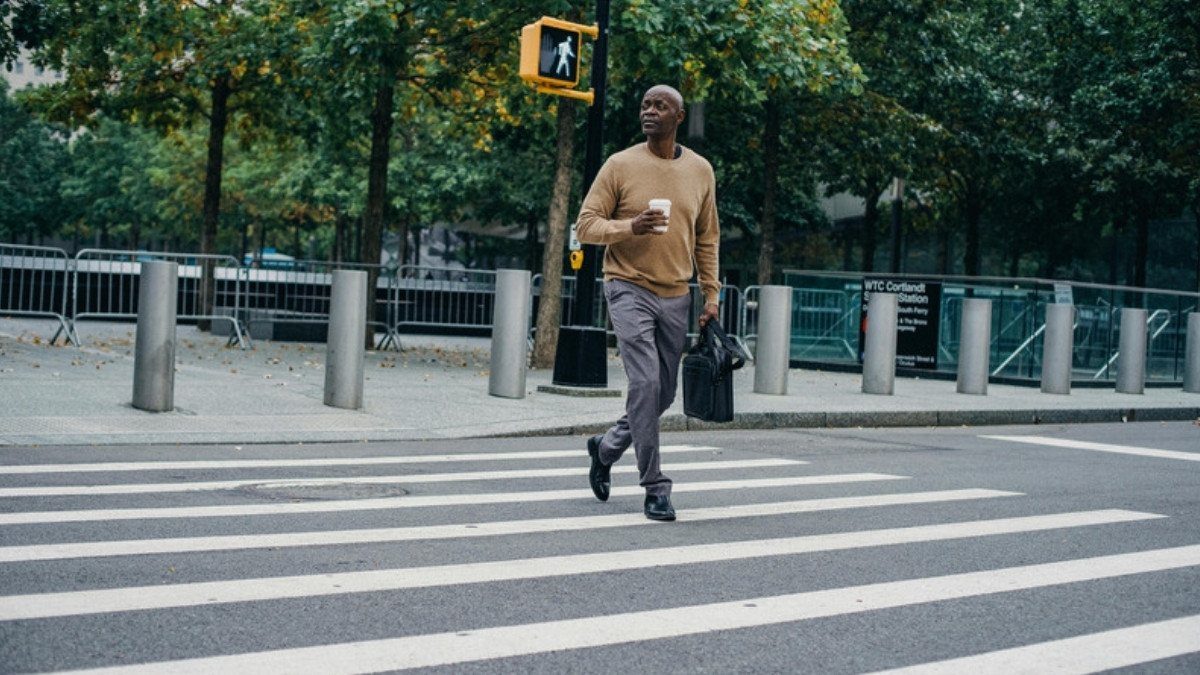
A driver turning onto Main Street never looks your way, and the bumper catches you halfway across. Or a pickup drifts onto the grass shoulder where you were walking home after dark. Where you stood at that moment decides which South Carolina rule governs fault. Tara L. Frost and Jack C. Frost, pedestrian accident attorneys in Summerville, can work from that spot to the duties each person owed.
The rules sit in Title 56, Chapter 5, South Carolina's traffic code. They shift with the setting, so signals, painted lines and a missing sidewalk each change the duties. One duty follows every driver, because Section 56-5-3230 requires due care, the caution a careful driver would show, to avoid striking a pedestrian. After treatment, keep the report number, photograph the crossing and its signals, and list every witness.
Frost Law Group is a two-attorney firm on Linwood Lane that represents people hurt on foot or on a bicycle. Jack C. Frost spent fourteen years as an officer and deputy, first with the Summerville Police Department and last with the Charleston County Sheriff's Office, from which he retired. That work taught him how officers put an investigation together and write the report that follows. In client reviews on Google, the firm holds a 4.8-star rating.
Call Frost Law Group's pedestrian accident attorneys in Summerville at (843) 419-6653 to talk through the crash. Your consultation is free, it stays confidential, and it commits you to nothing.
Free case review
Tell us what happened. An attorney will explain your options and what to do before you talk to the insurance company.
On this page
- How Pedestrian Accident Attorneys in Summerville Prove a Driver Failed to Yield
- Crosswalk Rules a Summerville Pedestrian Injury Lawyer Applies Under Section 56-5-3130
- Walking Where There Is No Sidewalk and How a Summerville Crash Lawyer Weighs Fault
- Bicycle Crashes a Summerville Pedestrian and Cyclist Injury Attorney Handles
- Whose Insurance Pays When a Summerville Pedestrian Accident Lawyer Opens the Claim
- Night Crashes, Children and Older Walkers in the Pedestrian Data a Summerville Lawyer Reviews
- Fatal Pedestrian Crashes and the Family Claims Summerville Injury Attorneys Bring
- Call Pedestrian Accident Attorneys in Summerville Before You Talk to an Insurer
How Pedestrian Accident Attorneys in Summerville Prove a Driver Failed to Yield
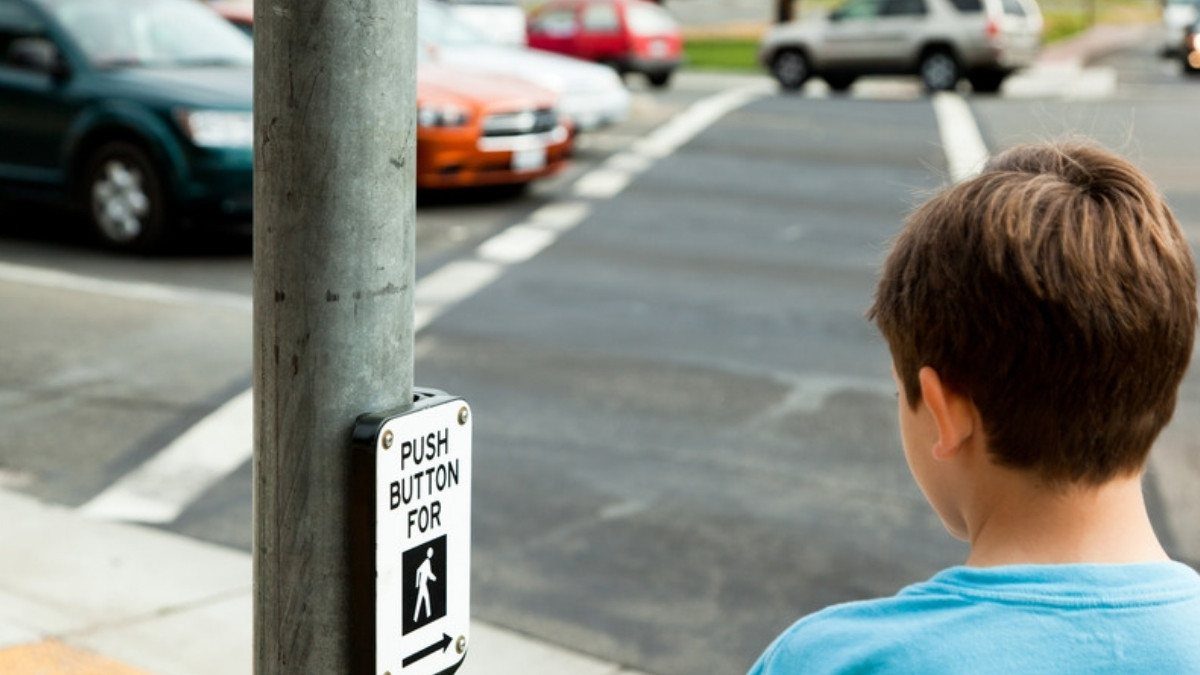
On Dorchester County crash reports from 2024, no factor appears more than Failed to Yield Right of Way. Across every kind of crash, not only those involving walkers, officers listed it 986 times. At Frost Law Group, that entry starts the analysis of a pedestrian case but does not finish it. A yield duty depends on where the walker stood, so the proof begins with location.
The traffic code places a driver's duty to yield in several spots. Under Section 56-5-970, a driver turning on a green light yields to walkers lawfully in the intersection. The same duty covers an adjacent crosswalk. Section 56-5-3250 makes a driver crossing a sidewalk yield to anyone on it.
Tara and Jack Frost can match each crash to the right rule and then test that rule against the physical evidence. No single fact settles fault. Whether a driver breached a yield duty depends on sight lines, timing and what each person did, and a lawyer reviews those facts before drawing any conclusion.
Driveways, Store Exits and the Sidewalk Crossing Rule
Section 56-5-2745 covers a driver leaving an alley, building, private road or driveway in a business or residential district. That driver must stop before crossing the sidewalk. Section 56-5-3250 then requires the driver to yield to any pedestrian there. A third rule, Section 56-5-3835, allows driving on a sidewalk only at a permanent or authorized temporary driveway.
Picture a driver nosing out of a shopping center exit onto Dorchester Road while watching for a gap in traffic to the left. A walker on the sidewalk to the right has the protection of Sections 56-5-2745 and 56-5-3250. The state's yearly crash statistics leave out collisions on private property, parking lots included. A driveway or lot injury may never appear in those totals, yet the claim still rests on its own facts.
Duties a Driver Owes a Walker After the Impact
A driver who hits and injures a pedestrian must stop. Section 56-5-1230 then requires the driver to share a name, an address and the car's registration number, and to show a license if asked. The driver must also give reasonable help, including arranging a ride to medical care when the person plainly needs it or asks. Police must get immediate notice of any crash that injures or kills someone, under Section 56-5-1260.
Under Section 56-5-1210, a driver who leaves after hurting someone commits a misdemeanor. The offense becomes a felony when the harm is great bodily injury or death. A prosecutor handles that charge, and it runs separately from the walker's claim for injuries.
Evidence That Places a Walker in the Crossing
Proof of a failure to yield usually comes from several sources at once. The officer's report, the damage to the car and the injuries themselves can each show where the walker stood. Video and witnesses often fill the gaps, and so do scene photos taken before rain or traffic changes the spot. Frost Law Group can request the report, contact the witnesses it names and ask nearby businesses to hold their footage.
The Officer's TR-310 and What It Cannot Prove at Trial
Officers record a crash on the Uniform Traffic Collision Report, form TR-310. It has a field for the primary contributing factor and room for four more. That report often guides a claim, but Section 56-5-1290 bars the required crash reports from serving as evidence of negligence at a damages trial. The witnesses, photos and measurements the report points to carry the proof instead.
Witnesses at Busy Dorchester Road Intersections
Dorchester Road, SC 642, led every road in Dorchester County in 2024, with 519 collisions and 6 deaths as officers recorded them. Three of the five intersections with the most collisions in the county sat on it, at Old Trolley Road (53), Ladson Road (49) and Bacons Bridge Road (41). Those counts cover every kind of crash, not only pedestrians. SCDOT counted about 45,300 vehicles a day on that road in 2024, on the stretch that begins at Old Trolley Road and ends at the Charleston County boundary.
Traffic that heavy means a crash there may have several people who saw it. Inside town limits, the Summerville Police Department's Traffic Safety Unit includes officers trained in technical collision investigation and collision reconstruction.
Can a Driver Say the Walker Came Out of Nowhere?
Some drivers say exactly that. Section 56-5-3130(b) does bar a walker from suddenly leaving a curb or other safe spot and stepping in front of a car too close to stop. The driver's own duty of due care stays in place all the same, including the duty to sound a horn when necessary. How those rules balance depends on speed, lighting and distance, facts a lawyer weighs before forming a view.
Crosswalk Rules a Summerville Pedestrian Injury Lawyer Applies Under Section 56-5-3130
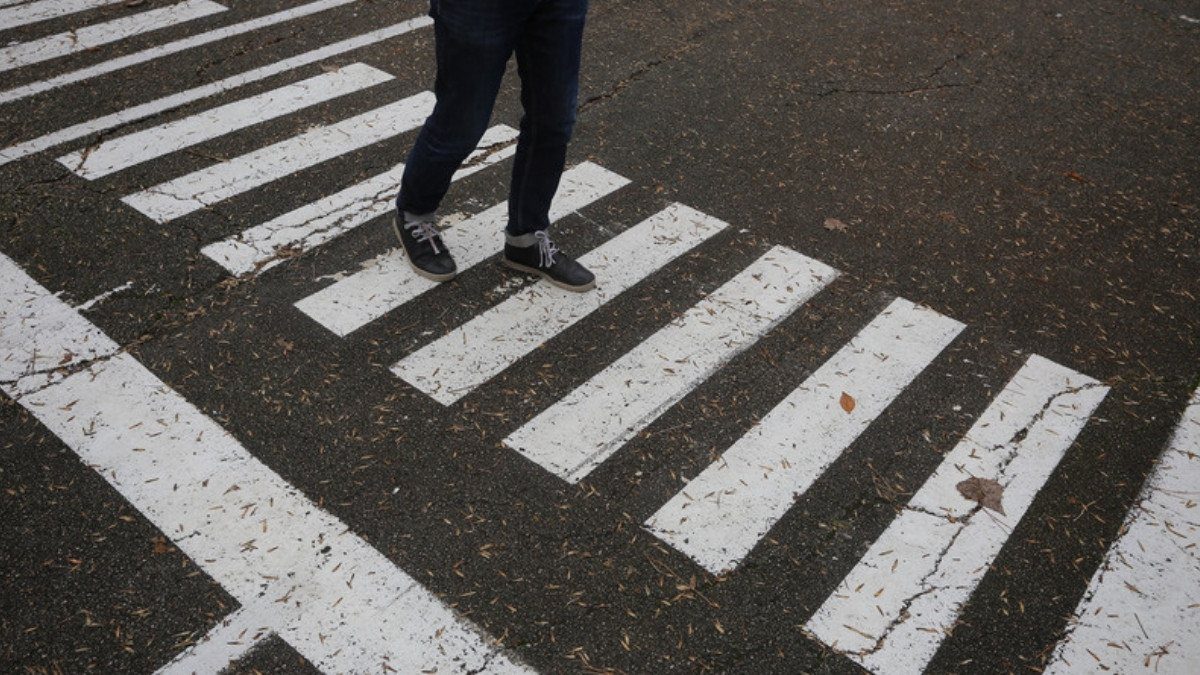
Section 56-5-500 defines a crosswalk in two ways. At an intersection, the area connecting the sidewalk lines on opposite sides counts as a crosswalk even without paint. A crosswalk also exists on any stretch of road, at an intersection or elsewhere, that lines or other surface markings set aside for crossing. Walkers themselves must keep to the right half of a crosswalk whenever practicable, under Section 56-5-3140.
Whether a driver had to stop for you in that crosswalk depends next on the signals. Section 56-5-3130 answers the question where no signal is working, and the signal statutes govern the rest. A crosswalk crash belongs in one of those two groups before anyone weighs fault. Frost Law Group can place it using the scene photos, the signal evidence and the records.
Crossings Where No Signal Is Working
Section 56-5-3130(a) applies when traffic signals are absent or not operating. A driver there must yield to a pedestrian in a crosswalk who is on the driver's half of the road. The duty also reaches a walker approaching from the other half so closely as to be in danger. Meeting it may require the driver to slow down or stop.
Subsection (d) adds a rule about stopped cars. When a car stops at a marked crosswalk, or an unmarked one at an intersection, to let someone cross, a driver behind it may not pass. That rule reaches the second car that swings around a stopped vehicle and strikes a walker the first driver had already seen. The yield rule drops away for a walker crossing at a spot served by a pedestrian tunnel or overhead crossing, since Section 56-5-3150(b) then makes the walker yield.
Crossings Controlled by Lights and Walk Signals
Section 56-5-3110 makes pedestrians follow the traffic and pedestrian signals described in Sections 56-5-970 and 56-5-990. Each person's duty turns on what the signal showed when that person entered the intersection or crosswalk. A witness or a video that captured the signal can be central proof. Timing matters for that reason, because a walker who started on Walk may still be crossing lawfully when the light changes.
Turning Drivers Facing a Green Light
Section 56-5-970(A)(1) lets traffic facing a green light go straight or turn unless a sign forbids the turn. Turning drivers must still yield to pedestrians lawfully within the intersection or an adjacent crosswalk. A green arrow carries the same duty toward walkers in an adjacent crosswalk. Picture a driver turning left off Main Street across a crosswalk where a walker started on the green.
Right Turns on Red Across a Crosswalk
Section 56-5-970(C)(3) lets a driver who has fully stopped at a red light turn right where no sign forbids it. The turning driver must yield to pedestrians lawfully in an adjacent crosswalk. A driver watching for a gap in traffic from the left can miss a walker stepping off the curb on the right. The statute places the duty to yield on that driver.
What the Walk and Wait Signals Require
Under Section 56-5-990, a Walk signal lets a pedestrian cross in the direction shown, and all drivers must give that person the right of way. A Wait signal means no pedestrian may start across. Someone already partway over on Walk continues to a sidewalk or safety island. Where no pedestrian signal exists, Section 56-5-970(B)(2) tells a walker facing a steady yellow not to start crossing.
Does a Walker Always Have the Right of Way in a Crosswalk?
No, although many people believe so. The crosswalk rule in Section 56-5-3130 covers crossings without a working signal, and it depends on which half of the road the walker occupied. At a signal, the walker must follow the lights, so someone crossing Main Street against a Wait signal cannot lean on Section 56-5-3130 at all. Drivers keep the due care duty either way, which means fault in a crosswalk case depends on more than one statute.
Walking Where There Is No Sidewalk and How a Summerville Crash Lawyer Weighs Fault

Say you walk home at dusk along a road with no sidewalk, keeping to the grass beside the pavement. A car drifts onto the shoulder and clips you. The driver's insurer then asks whether you walked with traffic or against it. That question comes straight from Section 56-5-3160, and Frost Law Group can read it alongside the driver's own duties.
Section 56-5-3160 sets an order of places to walk. Where a usable sidewalk exists, a pedestrian may not walk in the road beside it. Without a sidewalk, the pedestrian uses the shoulder, as far from the pavement edge as practicable. With neither, the pedestrian stays near the outside edge and, on a two-way road, walks only on the left side, facing oncoming traffic.
Fatal Pedestrian Collisions by Road Type in 2024
The Fact Book sorts 2024 pedestrian crashes by the kind of road. US primary routes had 55 fatal pedestrian collisions statewide, SC primary routes had 41 and secondary roads had 38. Interstates had 15. Secondary roads had the most pedestrian collisions overall, with 417.
Around Summerville, US 17A is Main Street and SC 642 is Dorchester Road, while Central Avenue carries the secondary number S-13. On US 17A, SCDOT's 2024 estimate was 33,100 vehicles a day for the segment from 5th Street North to where the road enters Berkeley County. None of those counts pins down where any one crash happened.
Crossing Between Intersections Under Section 56-5-3150
Outside a marked crosswalk or an unmarked one at an intersection, a crossing pedestrian must yield to vehicles under Section 56-5-3150(a). Between two adjacent intersections that both have working signals, a walker may cross only in a marked crosswalk. Cutting diagonally across an intersection is barred unless signals or signs allow it. Section 56-5-3120 also lets local governments limit crossing outside crosswalks in business districts or on designated highways.
None of that erases the driver's duty. Section 56-5-3230 protects a pedestrian wherever that person crosses. An insurer's claim that someone was jaywalking answers only half of the fault question. The other half asks what the driver could have seen and done.
Stepping Out of a Disabled Car on Interstate 26
Freeways carry their own rule. Section 56-5-3170 generally bars pedestrians from the roadway and shoulder of a freeway's main lanes. Its exceptions cover public works and official duties, an emergency caused by a crash or breakdown, and getting help. A driver whose car quit on I-26 and who stood on the shoulder waiting for a tow may fall within them.
Frost Law Group also takes car accident claims for drivers and passengers, including a motorist struck while standing beside a disabled vehicle. That kind of claim can draw on both the pedestrian rules and the policies that cover the car.
Emergency Vehicles and a Walker's Duty to Yield
Section 56-5-3260 makes pedestrians yield when an emergency vehicle approaches using its siren and lights, or a police car uses its siren alone. That duty does not free the emergency driver from care. Subsection (b) keeps the duty to drive with due regard for everyone's safety and to avoid colliding with any pedestrian. An ambulance or patrol car that strikes a walker can still raise a fault question.
How Modified Comparative Negligence Divides Fault With a Walker
A jury weighs the walker's fault against the driver's under modified comparative negligence, South Carolina's rule for sharing blame. An injured pedestrian may recover if his or her own negligence is not greater than the defendant's. A walker found exactly half at fault can still recover a reduced award, while one found more than half at fault recovers nothing. Any award shrinks by the walker's own share.
An insurer may point to the walking rules to argue for a larger share on the pedestrian's side. Section 56-5-3270, for example, bars a walker impaired by alcohol or drugs to the point of being a hazard from a highway, sidewalks excepted. The split in any one crash rests on its own evidence, and nobody can promise a percentage in advance.
Bicycle Crashes a Summerville Pedestrian and Cyclist Injury Attorney Handles
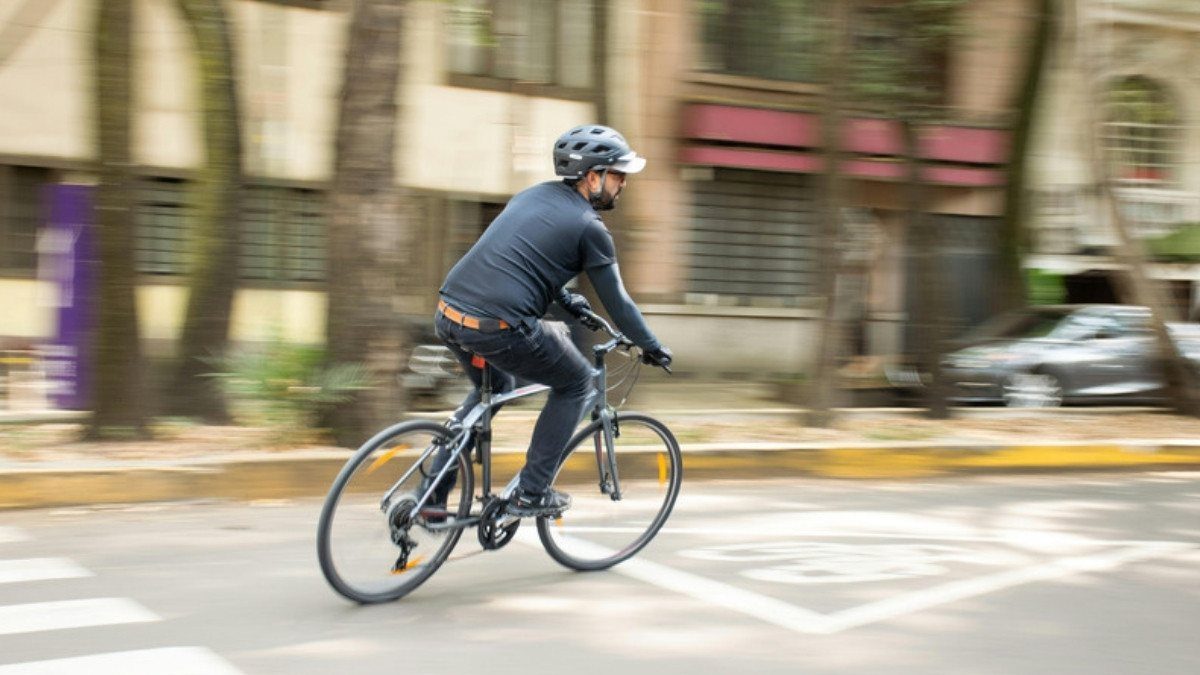
Bicyclist deaths in South Carolina rose to 34 in 2024, up from 26 the year before. The Fact Book counted 516 collisions involving a bicycle or other pedal cycle that year. Those crashes peaked in the afternoon, between 3 PM and 6 PM, while the 6 PM to 9 PM block had the most fatal collisions, 12. In Dorchester County, officers counted 18 bicyclist victims, and 1 of them died.
Under Section 56-5-3420, a rider on the road holds most of a driver's rights and duties. The due care statute also protects any person propelling a human-powered vehicle, a phrase that includes a cyclist. Bicycle crash claims follow the same insurance rules that protect walkers, and pedestrian accident attorneys in Summerville handle both at Frost Law Group. The analysis starts with where the rider was, whether in a bike lane, on the shoulder or in a travel lane.
Bike Lanes and the Yield Duty in Section 56-5-3425
A bicycle lane is a part of the road that striping, pavement markings and signs set aside for cyclists. Under Section 56-5-3425, motorists may not block the lane to oncoming bicycle traffic. A driver entering or crossing the lane, as in a right turn into a driveway, must first yield to a cyclist in it. Riders must use the lane except to pass another rider or avoid an obstruction.
Riding on the Shoulder or in a Lane of Traffic
Where no bike lane exists, Section 56-5-3430 has a cyclist ride as near the right side as practicable. The rider may use the shoulder but does not have to. A cyclist may move into another lane when only that lane lets the rider continue on the intended route. Riders may not go more than two abreast except on paths set aside for bicycles.
A Safe Operating Distance With No Set Number of Feet
Section 56-5-3435 requires a driver to hold a safe operating distance from any bicycle "at all times." The statute names no distance in feet, so the question becomes what was safe on that road at that speed. Because the duty never lapses, it reaches more than the moment of passing.
Section 56-5-3445 separately makes it a misdemeanor to harass, taunt or maliciously throw something at a rider. A conviction carries a fine of at least $250, up to 30 days in jail, or both.
Equipment and Signal Rules That Can Shape a Rider's Share of Fault
An insurer defending a driver may look first at the cyclist's own compliance. Several sections in the bicycle article set duties for riders, and a lawyer checks each one against the evidence. A rider's own lapse can reduce an award under the comparative fault rule, or bar it once the rider's share passes half. The lights, the signal and the rider's position all need review before anyone argues about percentages.
Lamp and Reflector Rules for Riding After Dark
At night, Section 56-5-3470 requires a white front lamp visible from at least 500 feet. The rear needs a red reflector visible from 50 to 300 feet in a car's upper-beam headlights, and a rider may add a red rear lamp. An insurer may ask whether a rider hit after dark had both. Missing equipment does not by itself end a claim, though it can affect how a jury shares fault.
Hand Signals and a Working Brake
Section 56-5-3480 has a rider signal turns and stops by arm. A left arm held straight out means a left turn, and an arm pointed down means slowing or stopping. The rider need not keep signaling when that hand is needed to control the bike. Section 56-5-3490 also requires a brake strong enough to skid the braked wheels on dry, level, clean pavement, and each rule carries a $25 fine.
Proceeding Through a Red Light After 120 Seconds
A cyclist may go through a steady red light under Section 56-5-970(C)(5) only after a full stop of 120 seconds, the same rule motorcycle and moped drivers follow. The rider must also use due care and handle the light as if it were a stop sign. A rider who waited out the full 120 seconds on Bacons Bridge Road and then crossed with care followed the statute.
Civil Fines Under Section 56-5-3500
Section 56-5-3500 sets civil fines for a motorist who breaks the bicycle article when no other violation is cited. The cap is $100, rising to $500 when the violation causes a cyclist minor injury and $1,000 for great bodily injury. Those amounts are fines, not damages. They do not pay a rider's medical bills or replace a claim for the rider's own losses.
Whose Insurance Pays When a Summerville Pedestrian Accident Lawyer Opens the Claim

Whose policy answers when a car hits someone who was not in a car at all? The first place to look is usually the driver's liability coverage. The second is the walker's own household auto policy. Frost Law Group can check both, along with any rideshare coverage tied to the vehicle.
Under Section 38-77-140, a South Carolina auto policy must carry at least $25,000 in bodily injury liability per person. The floor for everyone hurt in one accident is $50,000, and property damage liability starts at $25,000. A serious pedestrian injury can run past those amounts, and a lawyer reviews each policy against the losses.
The Driver's Policy and the Sworn Limits Statement
A claimant's attorney may ask the driver's insurer for its limits under Section 38-77-250, using a sworn written request that includes the incident report. The insurer has 30 days to respond under oath, naming itself, each insured and the limits. It can supply the declarations page in place of that statement. The statute leaves fleet, umbrella and excess coverage out of that duty.
Household Auto Policies That Follow a Walker
Under Section 38-77-30(7), a spouse or relative who shares the named insured's household is an insured "while in a motor vehicle or otherwise." The phrase "or otherwise" reaches a person on foot. In 2013, the South Carolina Supreme Court took up that language in Carter v. Standard Fire Insurance Co.
Carter repeated that UIM coverage, like UM, is "personal and portable." Quoting an earlier case, the Court named being a pedestrian as one situation that coverage exists for.
Uninsured Motorist Coverage on Foot
Uninsured motorist coverage, called UM, pays an insured what he or she could have collected from an uninsured at-fault driver. Section 38-77-150 makes UM mandatory on every auto policy issued in South Carolina. A walker from an insured household may therefore have it without knowing. Frost Law Group pursues uninsured motorist claims on behalf of people hit while walking or riding.
A Driver Who Fled Before Anyone Read the Plate
Section 38-77-170 sets three conditions for a hit-and-run UM claim. To start, the report to police cannot come later than is reasonable under all the circumstances. Second, the claim needs at least one of three proofs.
Contact between the fleeing car and the walker counts, and so does a sworn statement from an eyewitness who neither owned nor drove the insured car. A recording that ties the car to the harm is the third option. If a witness refuses to sign, the insured may ask a court to order a presuit deposition, a procedure Rule 27 of the state's civil rules provides. Third, the walker's own carelessness cannot be why nobody identified the driver.
A Driver Who Stayed but Carried No Coverage
Sometimes the driver stops, gives a name and admits to having no insurance. The UM claim then skips the hit-and-run conditions, because police know who the driver is. The household policy answers up to its UM limits for what the walker could have collected from that driver. Its insurer may still dispute fault and damages.
Underinsured Coverage When the Driver's Limits Fall Short
UIM, short for underinsured motorist coverage, can pay the part of a loss that runs past the at-fault driver's liability limits. The law requires insurers to make UIM available under Section 38-77-160, yet buying it stays optional. The same statute forbids a UIM clause requiring the insurer's permission before you settle with the driver at fault.
Stacking combines coverage from two or more vehicles. Under the Supreme Court's 1998 Concrete Services decision, only Class I insureds may stack. That class covers the named insured, the insured's spouse and any relative in the same home. Whether stacking applies depends on the policies and the facts.
Medical Payments Coverage Depends on the Policy Wording
No South Carolina law requires drivers to buy medical payments coverage, known as med pay. Whether it covers a named insured hit while walking depends on the policy language.
Where a policy's med pay does apply, Section 38-77-144 protects it from assignment and subrogation. Subrogation lets an insurer that paid a loss collect the same amount from whoever caused it. The statute also bars a setoff, meaning a deduction of med pay from other money owed to the walker.
Section 38-77-260 adds a protection around first-party payments. An insurer paying med pay or UM cannot get a release, a subrogation assignment or an agreement to deduct the payment until it delivers an approved disclosure statement and three days pass.
A Rideshare Driver Who Hits Someone on Foot
Rideshare trips carry layered coverage under Section 58-23-1630, and the driver, the rideshare company or both may provide it. The layer depends on the app's status at the moment of the crash. When the driver's personal policy lacks the coverage the statute requires, the company's insurer must pay starting at the first dollar.
Suppose the driver is online in the app with no ride yet. The minimums then are $50,000 per person, $100,000 per incident and $50,000 for property damage. From ride acceptance until the last rider gets out, the requirement rises to $1,000,000 combined for injury, death and property damage.
Section 58-23-1630(H) also makes the driver disclose app status to investigating officers and insurers, meaning whether the driver was logged in or partway through a trip. Frost Law Group handles rideshare accident claims for pedestrians and cyclists as well as passengers.
What if You Do Not Own a Car?
You may still have coverage. A person without a car can still be a Class I insured under a resident relative's policy. The statute reaches relatives who share a home with the named insured.
A friend's policy works differently. Permissive users and guests count as insureds only in connection with the insured vehicle. Each policy in the household can matter, so a lawyer reads all of them before anyone files a claim.
Night Crashes, Children and Older Walkers in the Pedestrian Data a Summerville Lawyer Reviews
The SCDPS 2024 Traffic Collision Fact Book sorts pedestrian crashes by light, hour and age. South Carolina had 1,144 collisions involving a pedestrian that year, and 158 pedestrians died, down from 187 in 2023. Of the 158 fatal pedestrian collisions, 123 took place after dark under clear or cloudy skies. Adding the 8 in dark and rainy conditions, 131 of the 158 happened in the dark.
Fatal collisions clustered in the evening. The 6 PM to 9 PM block had 39 fatal pedestrian collisions, and the block from 9 PM to midnight had 37. Dorchester County's deadliest window for all crash types in 2024 also fell between 6 PM and 9 PM, with 9 fatal collisions. Tara and Jack Frost treat those tables as background, since the proof in any one case comes from that crash.
Summerville spans Dorchester, Berkeley and Charleston counties, and the Fact Book counts crashes by county rather than by town. In Dorchester County, 36 pedestrians were crash victims in 2024. Four died, 5 suffered suspected serious injuries and 18 had suspected minor injuries. Berkeley County recorded 59 pedestrian victims, and 10 of them died.
Speed and Lookout Duties After Dark
Darkness does not lower a driver's duty. Section 56-5-1520 requires speed controlled enough to avoid colliding with a person on or entering the highway, under the conditions that exist. The due care rule applies at every hour as well. Headlight range, streetlights and the walker's clothing all bear on what the driver could have seen, and a lawyer works through those conditions before judging fault.
Officer Opinions About a Walker's Own Conduct
Statewide in 2024, officers recorded a pedestrian or cyclist factor as the primary contributing factor in 146 fatal collisions. The largest single entry, with 82, was a person lying or unlawfully in the roadway. Those codes are an officer's judgment written on a report. Under Section 56-5-1290, the report cannot serve as evidence of negligence at trial, so a lawyer tests any such entry against the scene, the lighting and the witnesses.
The same Fact Book records what each pedestrian was doing just before impact. For 90 of the 158 who died, officers marked walking, playing or cycling. For 41, they marked entering or crossing a location.
Children Near the Road and a Driver's Proper Precaution
Section 56-5-3230 requires a driver to take proper precaution on seeing any child. Statewide in 2024, the Fact Book counted 54 pedestrians aged 10 to 14 in collisions, and 2 of them died. Another 40 were younger than 10, and 1 of those children died. Records from the treating hospital, such as HCA Healthcare Summerville Hospital's 10-bed pediatric ER, document the injury from the first visit.
Filing Time When the Injured Walker Is a Child
Section 15-3-40 generally stops the filing clock while an injured person is under 18. The extension can never run past the child's 19th birthday. When the ordinary three-year period under Section 15-3-530 would end later than that, the extension adds nothing. The right date therefore depends on the child's age at the crash.
Court Review Before a Child's Claim Settles
Section 62-5-433 puts a child's settlement under court review. If the child's net amount tops $25,000, the settlement goes to the circuit court by verified petition. The money must then flow through a conservator or under a protective order from the probate court. The circuit or probate court can approve a smaller claim, and a parent acting alone may resolve only a claim of $2,500 or under.
Older Walkers, White Canes and Guide Dogs
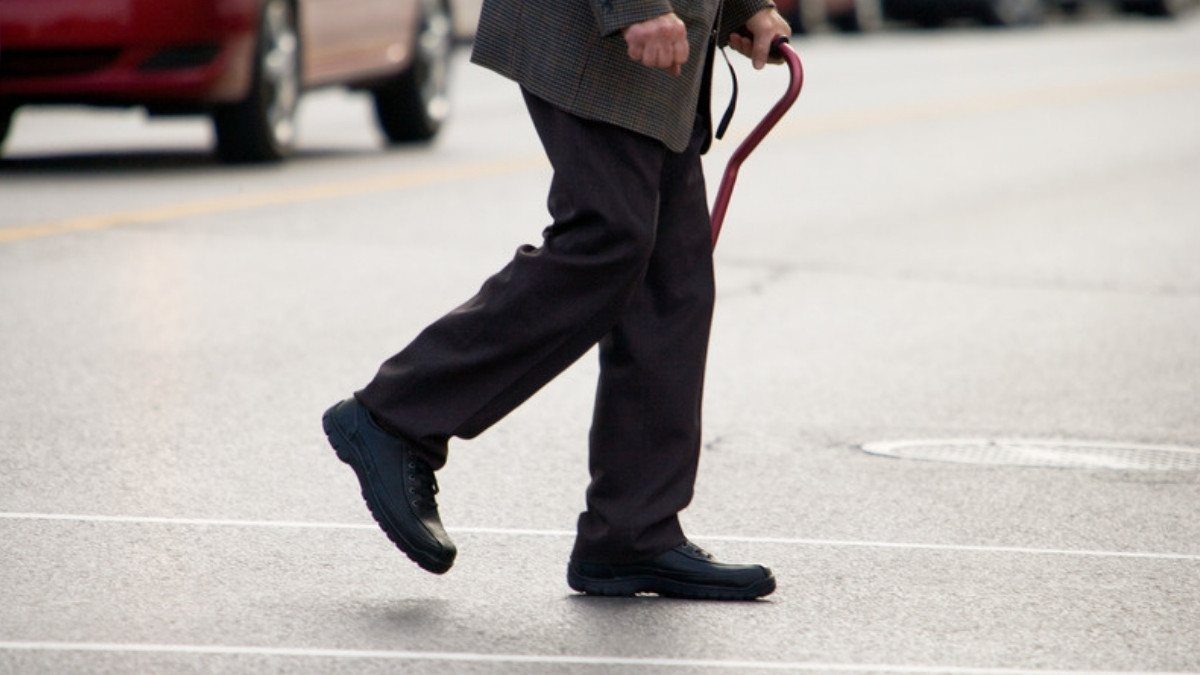
Pedestrians aged 65 to 74 accounted for 23 of the 158 pedestrian deaths in 2024, and 9 more who died were 75 or older. The same due care statute calls for proper precaution around any obviously confused or incapacitated person. A stricter rule protects a walker guided by a guide dog or carrying a raised white cane, or one white with a red tip. Under Section 56-5-3200, every approaching driver must come to a full stop and take whatever precautions will avoid injuring that person.
Section 56-5-3220 adds that a blind or incapacitated walker without a cane or guide dog keeps every pedestrian right. The statute also says the missing cane is not evidence that the walker was careless. When a walker's injuries will change daily life for good, Frost Law Group treats the case as one of its catastrophic injury claims. Repayment demands from Medicaid, Medicare and health plans can follow in those cases.
Fatal Pedestrian Crashes and the Family Claims Summerville Injury Attorneys Bring

No claim can repair the loss of someone who was only walking home or riding a bike. South Carolina law still gives the family two separate claims, and a personal representative brings both. The wrongful death action under Section 15-51-10 compensates the family. The survival action under Section 15-5-90 carries the walker's own claim for losses before death, and any recovery belongs to the estate.
Frost Law Group brings wrongful death claims for the relatives of people killed while walking or riding a bicycle. The first legal question is usually who can serve as personal representative.
The probate court in the county where the person lived makes that appointment, and Section 62-3-203 sets the priority order. A person named in a probated will comes first. A surviving spouse ranks ahead of other heirs. Who serves shapes every later step in both claims.
Family Members Section 15-51-20 Names
Section 15-51-20 sets the order of beneficiaries. A spouse and children come first. If there are none, the claim benefits the parents, and if there are no parents, the heirs. Family members do not file in their own names, because the personal representative brings the case for them. The beneficiaries then share any recovery in the portions each would inherit under intestacy, the rules for an estate with no will.
The Walker's Own Losses Through the Estate
The survival claim covers what the walker could have sued for if he or she had lived. Conscious pain and suffering between the crash and death is one example. Reasonable funeral costs may go in either the survival or the wrongful death action, but Section 15-5-100 allows them in only one.
Section 15-51-41 makes court approval a condition of any settlement of either claim, and the statute lets a probate, circuit or federal district court give it. Under Section 15-51-42, only a personal representative whom a court has appointed may settle.
Deadlines Counted From the Date of Death
Section 15-3-530(6) gives the personal representative three years to file a wrongful death action. That period runs from the date of death, not the date of the crash. If a walker survived the crash and died later, the clock starts on the later date. A government vehicle brings a different statute. If the driver was on duty for a municipality, a county or the state, the Tort Claims Act controls the timing.
That Act gives the family two years to sue from the point of discovery, meaning when the family found out about the loss or reasonably should have found out. Only a verified claim lodged with the entity first can push the limit to three years. The entity must receive that claim within one year of discovery. Those limits come from Section 15-78-110 and subsection (d) of Section 15-78-80. A lawyer checks which clock applies, because the answer depends on who caused the death.
Punitive Damages and the Criminal Case After a Pedestrian Death
A wrongful death jury may add punitive damages under Section 15-51-40 where recklessness, willfulness or malice caused the death. Such damages exist to punish, not to repay what the family lost. Under Section 15-32-520(D), the family must prove by clear and convincing evidence that the driving behind the death was reckless, willful or wanton.
Leaving the scene of a fatal crash is its own felony under Section 56-5-1210, punishable by one to 25 years in prison. A prosecutor brings that charge apart from the family's civil case, and no lawyer can predict how either one ends.
Call Pedestrian Accident Attorneys in Summerville Before You Talk to an Insurer
An adjuster for the driver's insurer may ask where you stepped off the curb, what the signal showed and whether you were looking at your phone. Each answer goes straight to fault under the crosswalk and walking rules. As pedestrian accident attorneys in Summerville, Tara and Jack Frost can read the report and every household policy with you before any recorded statement.
Frost Law Group's two pedestrian accident attorneys in Summerville work from one office at 128 Linwood Lane, Summerville, SC 29483. A call puts you in touch with Tara or Jack, not a call center. Frost First is the firm's standing invitation to call with even one question, before you know whether you have a claim.
Ask for a free, confidential consultation that commits you to nothing. Bring the report number, photos of the crossing and the declarations pages for every auto policy in your household.
Dial (843) 419-6653 or send the office a note online, giving the date and place of the crash.

The attorneys at Frost Law Group
 Tara L. FrostAttorney at Law · Personal injuryTara L. Frost focuses on personal injury, car accident and truck accident claims. A lifelong resident of the tri-county area, she meets clients at the Linwood Lane office in Summerville.
 Jack C. FrostAttorney at Law · Former Summerville police officer and Charleston County Sheriff's Office detectiveJack C. Frost spent fourteen years in law enforcement with the Summerville Police Department and the Charleston County Sheriff's Office before he practiced law.