
Personal Injury Attorneys in Charleston County
- Free consultation
- No fee unless we win
- Available 24/7

A wreck on US 17 or I-26 can put you in an ambulance before you learn the other driver's name. In 2024, Charleston County had more serious injury collisions than any other county in South Carolina. That fact shapes the work of personal injury attorneys in Charleston County. A serious injury reshapes the medical records, the insurance claim and any later lawsuit. The early questions are who caused the crash, whose coverage pays and which county could hear the case.
Officers decide at the scene whether an injury looks serious. A broken limb, a crush injury or a person unconscious when taken from the scene all qualify. That roadside call is not a diagnosis. The emergency department, the trauma team and your later doctors write the records an insurer will study. South Carolina's general limit on injury suits, in Section 15-3-530, runs three years, and government claims can get less time. Keep the report number, every discharge paper and the name of each hospital that treated you.
Frost Law Group operates from Linwood Lane in Summerville under two attorneys, Tara L. Frost and her husband, Jack C. Frost. Their injury work covers car, truck and motorcycle wrecks in Charleston County and the counties around it. Jack's titles at the Charleston County Sheriff's Office included deputy, master deputy and detective, part of fourteen years in law enforcement. He learned there how investigators assemble a case and how a scene becomes a written report.
Call Frost Law Group at (843) 419-6653 for a free consultation about a Charleston County crash. The conversation is confidential, and an attorney answers instead of a call center.
Free case review
Tell us what happened. An attorney will explain your options and what to do before you talk to the insurance company.
On this page
- Why Personal Injury Attorneys in Charleston County See So Many Serious Injury Crashes
- US 17, I-26, and US 52 Corridors a Charleston County Injury Lawyer Tracks
- The I-26 Interchanges Behind Charleston County's Worst Intersections for Crash Attorneys
- Distracted Driving Claims a Charleston County Car Wreck Lawyer Builds
- Two Trauma Centers and the Records a Charleston County Injury Attorney Gathers
- Filing at 100 Broad Street With a Charleston County Personal Injury Lawyer
- Car, Truck, and Motorcycle Claims Our Lawyers Handle Across Charleston County
- Talk With Personal Injury Attorneys in Charleston County Before You Sign Anything
Why Personal Injury Attorneys in Charleston County See So Many Serious Injury Crashes
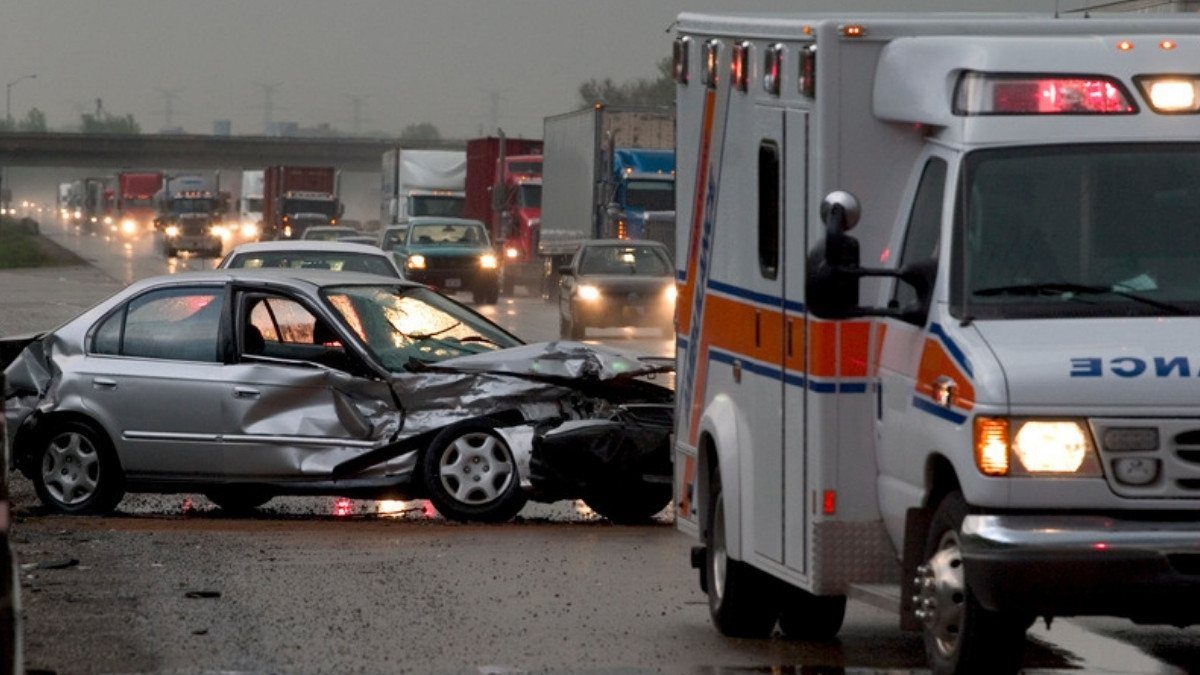
Charleston County led all 46 South Carolina counties in serious injury collisions in 2024, with 241. Greenville County had more crashes overall, 16,478 to Charleston County's 15,802, yet only 207 serious injury collisions. Those rankings come from the 2024 Traffic Collision Fact Book, which the Department of Public Safety compiles from officers' reports. At Frost Law Group, a Charleston County file starts with that severity ranking in mind.
The county held the same first-place rank in 2023. In 2024, the county's crashes left 291 people seriously injured, and its 3,521 injury collisions of every kind also led the state. Statewide, serious injury collisions climbed from 2,041 in 2023 to 2,139 in 2024, even as fatal collisions fell. Charleston County alone accounted for more than one in nine of the 2024 total.
Deaths followed another pattern. Charleston County's 57 fatal collisions ranked fourth, and its rate of 1.303 deaths per 100 million vehicle miles sat under the statewide 1.68. In Charleston County, the crash burden shows up less in deaths per mile and more in survivors carrying serious injuries. SCDPS put the county's 2024 economic loss from collisions at $509,579,000, using a National Safety Council formula.
Seven Scene Findings That Make an Injury Serious on a Crash Report
The Fact Book takes its injury definitions from ANSI D.16, a national manual for classifying traffic collisions. It defines a suspected serious injury, code 3 on the TR-310 report, by seven signs, and any one of them is enough. They include a severe cut that exposes tissue or bleeds heavily, a broken or distorted limb, and a crush injury.
A suspected skull, chest or abdominal injury also counts, as do second-degree or third-degree burns over 10% or more of the body. So do unconsciousness when taken from the scene and paralysis. Each sign describes what an officer can see or suspect within minutes. Some fractures and brain injuries do not show at the roadside. Suppose an officer on Rivers Avenue codes a passenger as a possible injury because she walked to the ambulance. Imaging at the hospital can still find a fractured vertebra that the roadside code never reflected.
Where and When Charleston County's Serious Injury Collisions Happened
The Fact Book splits every county's crashes by road type and by three-hour window. For Charleston County, both tables cut against a common assumption. Serious injury collisions did not gather on the interstates or during the afternoon rush. More of them happened on secondary roads than on any other road type, and more fell between 6 PM and 9 PM than during any other three-hour stretch. That pattern affects where witnesses and cameras are likely to be. Both findings come from the same 241 collisions.
Secondary Roads Outnumbered the Interstates
Secondary routes, the state roads that carry an S number in SCDOT's inventory, had 84 of the county's 241 serious injury collisions. I-26 and I-526 together logged 1,798 collisions but only 14 serious injury collisions. US routes had the most fatal collisions at 21, and SC routes had 17.
The Three Hours After 6 PM
From 6 PM to 9 PM, the county had 54 serious injury collisions, the most of any three-hour block. In that window, 68 people suffered serious injuries. The window from 3 PM to 6 PM had more crashes, 3,983, and the most fatal ones, 13. Late night was lopsided in a different way. Between 9 PM and midnight, 1,005 collisions included 12 fatal ones, and from midnight to 3 AM, 580 collisions included 8.
Agencies That Investigated the County's Serious Injury Crashes
Under Section 56-5-1260, a driver in an injury crash inside a municipality calls that town's police. Elsewhere, the call goes to the sheriff or the closest Highway Patrol office. So the agency on the report depends on where the wreck happened. Five agencies wrote nearly all of the county's serious injury reports in 2024.
North Charleston police investigated 85 serious injury collisions, the highest count of any agency. Charleston police had 61. Deputies from the Charleston County Sheriff's Office had 60, plus 22 of the county's 57 fatal collisions. Mount Pleasant police had 22, and the Highway Patrol had 6. Even the Summerville Police Department worked 21 collisions in the Charleston County part of town, and the Medical University of South Carolina's own police worked 20, one of them a serious injury crash. The official copy of any of those reports comes through SCDMV. The agency says that version carries more detail than a driver's same-day paperwork, and photos and vehicle damage can then test it.
Does the Officer's Injury Code Decide What a Claim Is Worth?
No. The TR-310 is South Carolina's collision report form. Its printed notice says it reflects the officer's knowledge, opinion and belief, with no warranty of factual accuracy. Insurers and juries weigh medical proof, not a box on a form. A serious injury code can still help, because it records how a person looked minutes after the crash. What a claim is worth turns on the records, the available coverage and the fault evidence. A lawyer has to review all three before forming an opinion.
US 17, I-26, and US 52 Corridors a Charleston County Injury Lawyer Tracks

US 17 crosses all of Charleston County, from the Colleton County line to the Georgetown County line, according to SCDOT's 2024 traffic count stations. It had 1,805 collisions in 2024, the most of any road in the county. Those crashes included 11 fatal and 30 serious injury collisions, and they killed 12 people and seriously injured 39.
I-26 ranked second with 1,213 collisions, followed by US 52 at 1,140, I-526 at 585 and US 78 at 534. Those five roads matter for severity as well as volume. A road with fewer crashes can still produce more serious injury collisions, as US 52 shows. Fault in any single wreck still comes down to that wreck's own evidence, which a lawyer tests one crash at a time.
US 17 Carried the Most Crashes and the Most Deaths
SCDOT counted 95,300 vehicles a day on US 17 between I-26 and West Coleman Boulevard in 2024. That was the highest estimate on the route anywhere in the county. Between SC 61 and Lockwood Drive, the estimate was 75,700. The road's 12 deaths also led the county, well ahead of the 7 on US 52.
At a US 17 intersection, Section 56-5-2320 puts the burden on the driver turning left. That driver must let oncoming vehicles pass when they are in the intersection or near enough to pose an immediate hazard. Suppose a driver turning left from US 17 into a side street cuts across an oncoming car. The analysis starts with that duty to yield. Comparative fault, the rule that splits blame by percentage among everyone who caused a crash, can still weigh the other driver's speed.
Rivers Avenue and the Severity Gap on US 52
SCDOT's 2024 counts label most of US 52 as Rivers Avenue or Meeting Street. The road had fewer collisions than I-26, 1,140 against 1,213, yet far worse outcomes. Officers recorded 25 serious injury collisions and 7 fatal collisions on US 52. I-26 had 7 serious injury collisions and 1 fatal collision.
The busiest counted stretch of US 52 carried 93,300 vehicles a day, between the US 52 connector and University Boulevard. A surface road mixes turning cars, cross traffic and people on foot, which interstate ramps keep apart. Across the county in 2024, 175 pedestrians were crash victims, and 33 of them had suspected serious injuries while 13 died. Bicyclists added 116 victims, with 9 suspected serious injuries and 4 deaths. After a serious US 52 crash, the evidence worth chasing includes signal timing, sight lines and any camera near the scene.
I-526 and US 78 Round Out the Five
The Mark Clark Expressway, I-526, had 585 collisions in 2024, with 2 fatal and 7 serious injury collisions. SCDOT's highest daily estimate for it in the county was 93,400 vehicles. US 78 had 534 collisions, with 3 fatal and 11 serious injury collisions. Its busiest counted stretch, at 48,800 vehicles a day, ran from I-26 to Rivers Avenue. On the other side of the interstate, the segment from Ladson Road to I-26 carried 46,200.
SC Routes, County Roads and Ramps Beyond the Main Corridors
Not every serious crash happens on the five busiest roads. SC routes in Charleston County, among them SC 61, SC 171 and SC 642, logged 3,187 collisions in 2024 taken as a group. That total covers every SC route in the county, and it included 17 fatal and 49 serious injury collisions. Roads in the county route category added 1,873 collisions, 5 fatal and 23 serious injury. Ramps had 403 collisions, including 2 fatal and 5 serious injury. On a quieter road, the nearest witness may be a homeowner's doorbell camera rather than another driver.
Dorchester Road Carries Summerville Traffic Into the County
SC 642, which SCDOT lists as Dorchester Road, crosses the Dorchester County line into Charleston County. From there it meets I-526 and I-26 and runs on to Rivers Avenue. SCDOT estimated 51,600 vehicles a day between the Dorchester County line and Andrews Street in 2024. Where Dorchester Road meets I-526, the interstate segments on either side carried 80,600 and 84,100 vehicles a day.
A commuter from Summerville may cross two counties before a crash, and the county line can matter for the report and the court. Frost Law Group's office is in Summerville, and the firm also handles Dorchester County injury claims when the wreck happens on that side of the line.
The I-26 Interchanges Behind Charleston County's Worst Intersections for Crash Attorneys

How does an interchange with 190 collisions in a year produce no serious injury crash? That was the 2024 record where I-26 meets US 78, the busiest crash intersection in Charleston County. Every intersection on the county's list of five in the Fact Book includes I-26.
The five logged 661 collisions between them, with no fatal collisions, 2 serious injury collisions and 94 other injury collisions. For Frost Law Group, that mix defines an interchange claim. Nearly all of the injury crashes at these interchanges fall in the other injury category, below the serious injury line. The questions usually concern merging, lane changes and following distance. SCDPS builds the counts from route numbers and street names on each report. It cautions that naming differences may affect the true totals.
University Boulevard at Exit 205
SCDOT's interchange diagrams identify Exit 205 as I-26 at US 78 in Charleston County. Its traffic counts name US 78 University Boulevard at that point. Officers recorded 190 collisions there in 2024, including 23 other injury collisions that left 26 people hurt. SCDOT's count for the I-26 segment from College Park Road to University Boulevard was 107,600 vehicles a day. The next segment, toward the US 52 connector, carried 115,800.
Ashley Phosphate Road and Aviation Avenue on I-26
The Fact Book lists I-26 at S-75 second, with 174 collisions, 1 serious injury collision and 25 other injury collisions. SCDOT's 2024 Charleston County counts name S-75 Ashley Phosphate Road. I-26 at S-1342 had 93 collisions, and the same SCDOT file names S-1342 Aviation Avenue. Between those two roads, SCDOT estimated 169,300 vehicles a day on I-26. Ashley Phosphate Road itself carried 76,100 vehicles a day between Rivers Avenue and Stall Road.
The fifth intersection, I-26 at S-195, had 86 collisions and 1 serious injury collision. SCDOT's file gives S-195 no street name, so only the number is certain. Secondary route numbers change meaning at county lines. The S-62 that SCDOT calls College Park Road in Berkeley County shows up as Montague Avenue at most Charleston County count stations. A crash location has to match the right county's inventory.
Where I-26 Meets I-526
I-526 meets I-26 at the county's third most crash-prone intersection, with 118 collisions and 18 other injury collisions in 2024. Statewide, officers recorded 731 collisions on I-526, and 585 of them happened in Charleston County. SCDOT counted 169,800 vehicles a day on I-26 between Remount Road and I-526, the highest estimate on any I-26 segment in the county.
A chain-reaction wreck at an interchange can involve three or four vehicles. Under Section 15-38-15, in force in some form since 2005, a defendant carrying less than half the fault pays only that fraction of the damages. A defendant at the 50% mark or higher can end up paying everything. Act No. 42 of 2025 left that threshold alone. For claims arising or accruing after January 1, 2026, it lets defendants put an absent driver's fault on the verdict form, generally by disclosing that driver within 180 days after suit begins. How a jury apportions fault in a pileup rests on evidence a lawyer builds after the crash, and nobody can forecast it at the scene.
Lane Changes and Following Distance at the Ramps
Two contributing factors fit interchange wrecks closely. Officers listed Followed Too Closely 2,532 times on Charleston County reports in 2024 and Improper Lane Usage or Change 1,668 times. Section 56-5-1930 asks whether a following driver kept a reasonable and prudent gap given speed, traffic and road conditions. The statute names no set distance. In a merge crash near Aviation Avenue, the answer often sits in the damage pattern and the turn signals. Camera footage can also show who held the lane.
Distracted Driving Claims a Charleston County Car Wreck Lawyer Builds

Since September 1, 2025, South Carolina drivers on public highways may not hold or support a phone with any part of the body. That rule sits in Section 56-5-3890. Act No. 40 of 2025, which calls itself the South Carolina Hands-Free and Distracted Driving Act, rewrote the section. It also bars reading, writing or sending texts, emails and app content, and it bars watching video. A first offense brings a $100 fine, and a second within three years brings a $200 fine and two points on the driver's record.
The 2024 crash numbers predate that law. Distracted or Inattention appeared 2,965 times on Charleston County reports that year, and only Failed to Yield Right of Way appeared more. Neither Dorchester nor Berkeley County had distraction among its five most-listed factors. For Frost Law Group, a distraction claim is a proof problem first, since a report entry records an opinion and a jury wants evidence.
What 2,965 Distraction Listings Do and Do Not Show
Officers may enter as many as five contributing factors per report, so the 2,965 figure tallies entries, not crashes. Three entries came from fatal collisions, 28 from serious injury collisions and 561 from other injury collisions. The remaining 2,373 came from crashes with property damage only.
Statewide figures use a different measure. Across South Carolina, officers named distraction as the primary factor in 9,293 collisions. They named "On Cell Phone" as the primary factor in only 92 and "Texting" in 60. Phone use rarely appears on a report as the main cause, so a claim cannot count on the report to prove it. The county entries and the statewide primary counts also cannot be compared as shares of each other.
Proving a Driver Was Looking at a Phone
Distraction cases rarely rest on one piece of evidence. The proof usually comes from the driver's own words, outside witnesses, video and phone records that a subpoena can reach once a suit is filed. The hands-free law shapes where that proof comes from, because it limits what officers may do with a phone. Each source fills a gap the others leave.
What Officers Cannot Do With a Driver's Phone
Section 56-5-3890(E) bars an officer from seizing, searching or viewing a phone because of a hands-free violation. An officer may stop a driver for the offense only after a clear and unobstructed view of unlawful phone use. For the law's first 180 days, officers could issue only warnings. So a hands-free stop by itself will not put phone data in the police file.
Phone Company Records After a Lawsuit Is Filed
Carrier records can show when a phone sent a text or started a call, down to the minute. They usually arrive through a subpoena, a court-issued demand for records, or a court order after suit is filed. The judge's rulings on scope and privacy limit what comes back. Matching a record's time stamp to the crash time on the report can place a phone in use at the moment of impact. Carrier records usually show activity, not whether the driver held the phone, so they are strongest alongside a witness or video.
Witness Accounts, Admissions and Dashcam Video
Suppose a driver on I-526 drifts across the lane line and clips your car near the Rivers Avenue exit. A driver beside you may have seen the phone in the other driver's hand. The at-fault driver may admit looking down, and the officer may write that admission into the narrative. A dashcam or a nearby business camera can show the drift itself.
Hands-Free Exceptions and the Federal Rule for Truck Drivers
The state law leaves some phone use open. A driver may use a phone for maps or a voice call without holding it, and built-in equipment from the vehicle's manufacturer is exempt. Dispatch data sent or received as part of a driver's job also falls outside Section 56-5-3890. Truck drivers face a stricter federal rule. Under 49 CFR 392.82, no driver may use a hand-held mobile phone while driving a commercial motor vehicle, and no carrier may allow or require it. That federal definition of driving covers a truck stopped briefly for traffic or a signal.
Can Your Own Phone Use Reduce a Distracted Driving Claim?
It can. South Carolina follows modified comparative negligence, adopted by the state Supreme Court in Nelson v. Concrete Supply Co. in 1991. A person hurt in a crash can still recover if the jury finds his or her fault no greater than the defendant's. The award then shrinks by that person's share, and a share over 50% wipes it out. Whether a glance at your own screen matters depends on timing and the other proof, and an attorney weighs that before offering an opinion.
Two Trauma Centers and the Records a Charleston County Injury Attorney Gathers
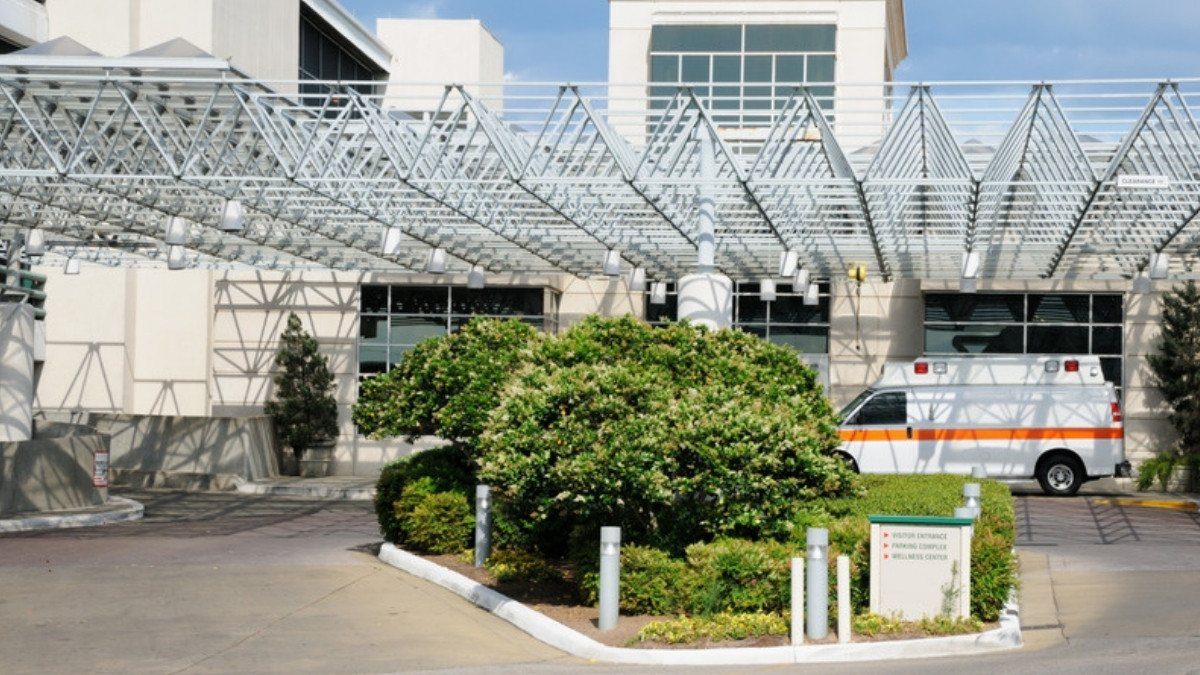
Two Charleston County hospitals appear on the South Carolina Department of Public Health trauma center list. The Medical University of South Carolina, MUSC, is on it twice. It appears once as an Adult Level I center and once as the state's sole Pediatric Level I center. An Adult Level II designation goes to Trident Medical Center, which sits in North Charleston.
DPH describes trauma as a surgical emergency and explains that a trauma center keeps an organized trauma team led by a surgeon. Emergency departments at other hospitals focus on evaluation, stabilization and transfer when needed. Where an ambulance goes depends on EMS field triage protocols rather than the nearest county line. A person hurt on US 17 may go straight to MUSC or Trident, or reach a closer hospital first and transfer later. Neither Roper Hospital, on Calhoun Street, nor Bon Secours St. Francis appears on the DPH trauma list, and neither do the two Mount Pleasant hospitals. Frost Law Group can ask each hospital in that chain for its chart.
Records That Follow a Serious Crash
A serious injury claim usually rests on four sets of records. They are the collision report, the ambulance record, the hospital chart and the follow-up treatment notes. The report shows the scene, and the ambulance record shows the ride. For personal injury attorneys in Charleston County, the hospital and follow-up records carry the diagnosis, the treatment and the recovery. Insurers focus there when they dispute a claim's value.
Injury and Transport Codes on Form TR-310
The TR-310 collision report gives every person an injury code from 0, no apparent injury, to 4, fatal. It records whether the person went to a medical facility and whether EMS, police or someone else took them. For riders of motorcycles and other two-wheel or three-wheel vehicles, it adds a head injury box. It also notes whether a trapped person came out through mechanical extrication.
Emergency Department and Trauma Team Charts
Hospital charts record triage findings, imaging results and any surgery. At a trauma center, the chart may show the trauma team's first assessment in the minutes after arrival. Those early entries often give the clearest link between the crash and the injury, which matters when an insurer later blames a prior condition.
Transfer Records Between Hospitals
A patient stabilized at one emergency department and moved to MUSC or Trident generates two charts, two bills and a transfer record. The transfer note explains why the first hospital sent the patient on. Missing that first chart leaves a gap an insurer may use to question when symptoms began.
Follow-Up Visits and Therapy Notes
After discharge, the story moves to orthopedic visits, therapy sessions and notes from other doctors. Those records show whether a fracture healed, whether a head injury left lasting symptoms and what work restrictions a doctor set. Keeping every appointment card and bill helps, because a missed visit can look like recovery on paper.
What if a Child Was Treated at MUSC's Pediatric Trauma Center?
Because MUSC is the one pediatric Level I center in the state, a child with the most serious crash injuries may end up there. Two legal rules then come into play. Section 15-3-40 may add time for a child to sue, though the extra time never runs past one year after the 18th birthday. Once the child's net share of a settlement passes $25,000, Section 62-5-433 puts the deal before a circuit judge. For a child who lives in Charleston County, that judge usually sits at 100 Broad Street. A smaller settlement still goes through a conservator or a court, unless it is $2,500 or less.
Filing at 100 Broad Street With a Charleston County Personal Injury Lawyer
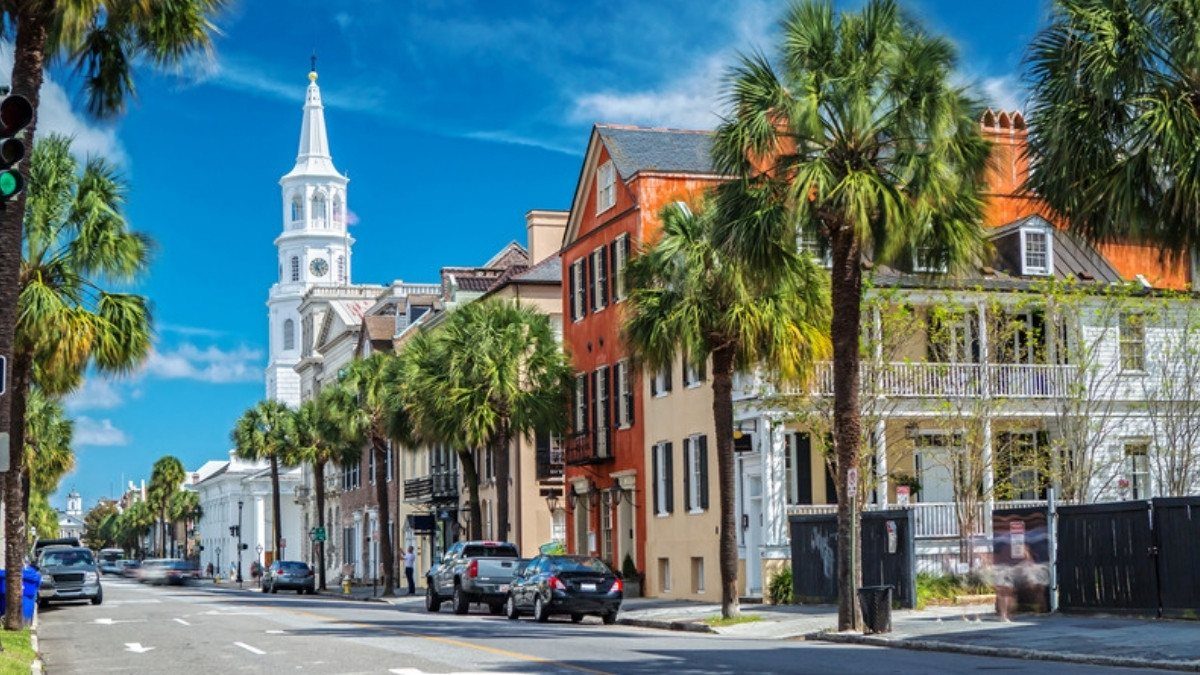
The South Carolina Judicial Branch courthouse directory lists the Charleston County Courthouse at 100 Broad Street, Charleston, SC 29401. Injury lawsuits there belong to the Court of Common Pleas. That court is the civil side of the circuit court, which the Judicial Branch calls the state's court of general jurisdiction. Magistrate court tops out at $7,500 in civil claims under Section 22-3-10, so a serious injury claim ordinarily goes to Common Pleas.
The Ninth Judicial Circuit covers Charleston and Berkeley counties, with resident circuit judges in both Charleston and Moncks Corner. Berkeley County is the circuit's other half, and Frost Law Group represents people in Berkeley County crash cases too.
Tara L. Frost sat as a Dorchester County Magistrate Judge for just over three years, starting in July 2022 and ending in August 2025. Those years gave her a close view of how a judge sizes up the evidence, the preparation and the credibility of each witness. She brings that view of how testimony and exhibits hold up to Frost Law Group's work as personal injury attorneys in Charleston County.
Broad Street or the At-Fault Driver's Home County
Section 15-7-30 decides venue, meaning the county that hears the case. It offers two choices when the at-fault driver lives in South Carolina. One is the county where the crash happened. The other is the driver's county of residence at the time of the crash. For a Charleston County wreck, the first choice always points to Broad Street. The second follows the driver home, to Moncks Corner, St. George or any other county where that driver lived. When a case names several defendants, any county proper for one of them will do.
A Defendant From the Berkeley Side of the Line
Suppose a driver from Moncks Corner causes a wreck on I-526 in Charleston County. The case could stay at Broad Street or go to Moncks Corner, where the Berkeley County Courthouse sits at 300-B California Avenue. Both courthouses belong to the Ninth Circuit. The choice affects travel for witnesses and the client alike.
A Defendant From the Dorchester Side of Summerville
The Town of Summerville spans Dorchester, Berkeley and Charleston counties, so a Summerville address does not settle a driver's county. A driver from the Dorchester County part of town who causes a crash on Dorchester Road in Charleston County could face suit at Broad Street. The case could also land in St. George, at the Dorchester County Courthouse on East Jim Bilton Boulevard, which belongs to the First Judicial Circuit.
Visitors and Carriers From Outside South Carolina
Charleston County's interstates carry drivers and trucks from other states. Section 15-7-30 treats them differently from South Carolina residents. The rules turn on whether the defendant is a person or a company. For a company, they also turn on whether it registered to do business in South Carolina.
Drivers Domiciled in Another State
A driver who lives outside South Carolina can face suit in the county where most of the conduct occurred. Section 15-7-30(D) also allows the county that was the injured person's home at the time. Picture a visitor who rear-ends a car on the Isle of Palms Connector. The injured person could file at Broad Street or in his or her own home county.
Trucking Companies Formed Elsewhere
Under subsection (F), an out-of-state carrier registered in South Carolina can face suit where most of the conduct occurred or where its principal place of business sits. Without that registration, subsection (G) adds the injured person's home county. Property or business activity in a county is not enough, by itself, to establish a principal place of business there. Any venue choice can draw a motion for a change of venue, which Section 15-7-100 governs.
Court Approval When a Crash Takes a Life
A wrongful death or survival settlement from a Charleston County crash needs a judge's approval under Section 15-51-41. The statute lets the probate court, the circuit court or a federal judge sign off. Section 15-51-42 reserves the power to settle for a personal representative the court has duly appointed, so family members do not settle in their own names. When the suit is filed somewhere other than the probate court, the probate court must receive notice within ten days. Frost Law Group can check early whether the probate court has appointed a personal representative, because that step comes before any settlement.
Filing Deadlines for a Charleston County Lawsuit
Section 15-3-530(5) sets the ordinary limit for an injury suit at three years. Section 15-3-535 can delay the start until the person learned of the claim or reasonably could have. A death claim also gets three years, counted from the day the person died. The Tort Claims Act, not the general rule, governs suits against a government entity. Section 15-78-110 allows two years, measured from discovery of the loss, meaning when the claimant knew or reasonably should have known of it. Sending the agency a verified claim first can stretch that to three years. Under Section 15-78-80(d), though, the agency must have that claim in hand within a year of discovery.
Suppose a Charleston County government truck runs a red light on Remount Road. The Tort Claims Act then applies, with its shorter deadline and a $300,000 per-person cap in Section 15-78-120. Which deadline governs a given crash depends on who caused it and what happened next, so the deadline question comes first.
Can a Summerville Law Office File Suit at Broad Street?
Yes. Section 15-7-30 ties venue to the defendant and the crash, not to the lawyer's address. Nothing in it requires personal injury attorneys in Charleston County to keep an office in the county. The Town of Summerville itself reaches into Charleston County. The Census Bureau estimated 2,655 town residents in that Charleston County part as of July 1, 2025. Frost Law Group can file wherever the statute places the case, and its Linwood Lane address changes nothing about that.
Car, Truck, and Motorcycle Claims Our Lawyers Handle Across Charleston County
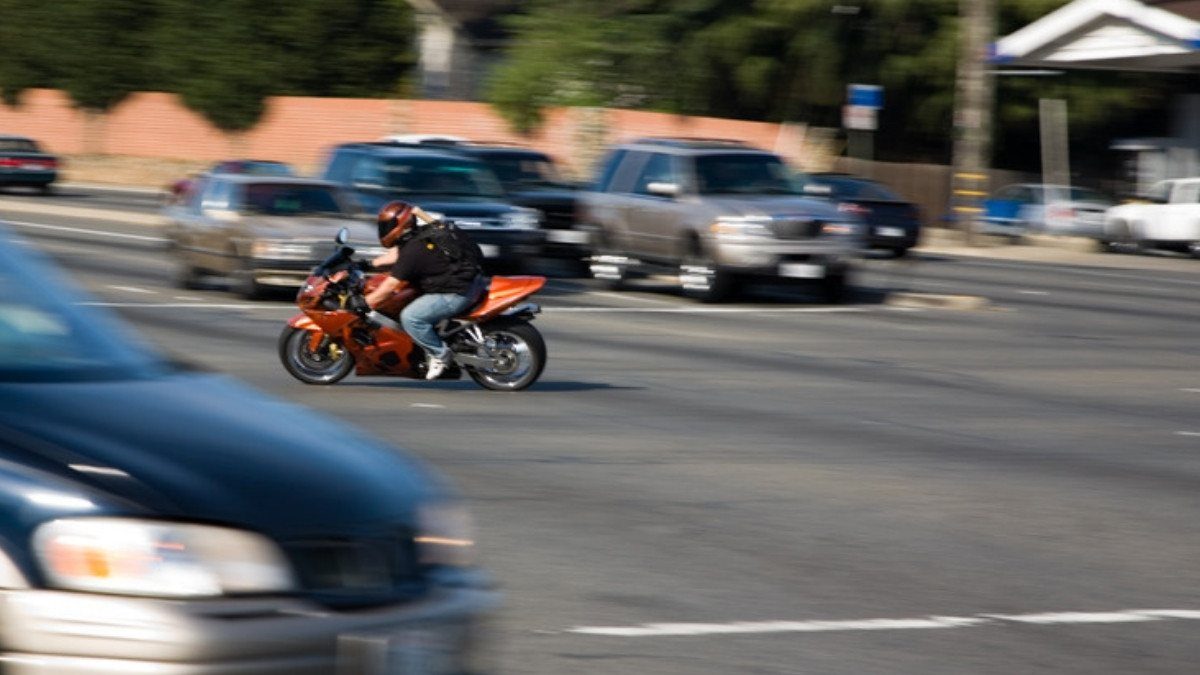
A driver turns left across Rivers Avenue on a green light and pulls in front of an oncoming motorcycle. Under Section 56-5-2320, the turning driver had to yield if the rider was close enough to be an immediate hazard. Section 56-5-3640 protects a rider's right to the entire lane. If the turning vehicle belonged to a business, one wreck like that can raise car, motorcycle and commercial vehicle questions together.
Of the eight counties where Frost Law Group represents injured people, Charleston County carries the heaviest serious injury load. Failed to Yield Right of Way topped the county's factor list in 2024, with 3,525 entries. Those entries included 8 from fatal collisions and 54 from serious injury collisions, the highest serious injury count of the five listed factors.
Auto Collisions and the Insurance Behind Them
The minimum liability coverage in Section 38-77-140 reads 25/50/25. Its first number is the per-person bodily injury limit in thousands of dollars. The second covers everyone hurt in one crash, and the third pays for property. Every South Carolina auto policy must also include uninsured motorist coverage under Section 38-77-150. Section 38-77-160 requires only that insurers offer underinsured coverage, and the buyer decides whether to take it. A serious injury can cost far more than a $25,000 limit, so the other driver's coverage is worth checking early.
Section 38-77-250 lets an injured person's attorney send the insurer a sworn request, with the incident report attached, by one of the tracked delivery methods the statute names. From there, the insurer gets 30 days to swear to its policy limits or produce the declarations page. The statute reaches private passenger auto policies, not fleet, umbrella or excess coverage. Frost Law Group can take that step early in auto wreck claims in Charleston County, before anyone discusses a number.
Tractor-Trailer and Commercial Truck Collisions
South Carolina recorded 3,260 collisions involving a commercial motor vehicle in 2024, and 145 people died in them. SCDPS listed 42.7% of the drivers of those commercial vehicles as out-of-state drivers. Frost Law Group's commercial truck crash cases depend on which safety rules reach the truck and on the records the carrier keeps. Federal retention periods for some of those records are short.
With so many out-of-state drivers, the carrier, its insurer and its records may all sit in another state. Duty-status logs only have to survive six months, so a lawyer can send a preservation letter before they go. Statewide in 2024, commercial vehicles were involved in 1,054 interstate collisions, and 36 of those were fatal.
Motorcycle and Moped Crashes on County Roads
Charleston County reports in 2024 counted 199 motorcyclists as crash victims. Of them, 45 had suspected serious injuries and 8 died, while 56 had suspected minor injuries and 41 possible injuries. Moped operators added 39 victims, with 7 suspected serious injuries and 2 deaths. Statewide, officers found the other vehicle's driver contributing in 56.4% of multi-vehicle motorcycle collisions.
Section 56-5-3640 makes lane splitting illegal, and Section 56-5-3660 requires helmets only for riders younger than 21. Frost Law Group represents riders in motorcycle crash claims where a driver took the lane or turned across the rider's path. Mopeds count as motor vehicles for uninsured and underinsured motorist purposes under Section 38-77-30, which can matter for a moped rider hit by an uninsured driver. How fault divides in a rider's case turns on the proof in that file, which a lawyer reviews before saying anything about the outcome.
Talk With Personal Injury Attorneys in Charleston County Before You Sign Anything
An insurer may send a release with its first check, and signing that release usually ends the claim for good. A medical authorization can open years of your health history to the adjuster. Before you sign either one, talk with the personal injury attorneys in Charleston County at Frost Law Group.
Frost First is the idea behind the practice. Call Frost first, even if the only question is what a form in your mailbox means. Tara and Jack were Summerville High School sweethearts long before they practiced law together. The attorney who picks up can walk you through the paper in your hand.
Bring the collision report number, hospital discharge papers and any insurer letters to a free, confidential consultation at 128 Linwood Lane, Summerville, SC 29483. Hours are Monday through Thursday from 9 AM until 5 PM, plus Friday mornings until noon, and Friday afternoon times are possible on request.
Call (843) 419-6653 or reach the office online to set a time to go over the paperwork before you sign.

The attorneys at Frost Law Group
 Tara L. FrostAttorney at Law · Personal injuryTara L. Frost focuses on personal injury, car accident and truck accident claims. A lifelong resident of the tri-county area, she meets clients at the Linwood Lane office in Summerville.
 Jack C. FrostAttorney at Law · Former Summerville police officer and Charleston County Sheriff's Office detectiveJack C. Frost spent fourteen years in law enforcement with the Summerville Police Department and the Charleston County Sheriff's Office before he practiced law.