
Truck Accident Attorneys in Summerville
- Free consultation
- No fee unless we win
- Available 24/7
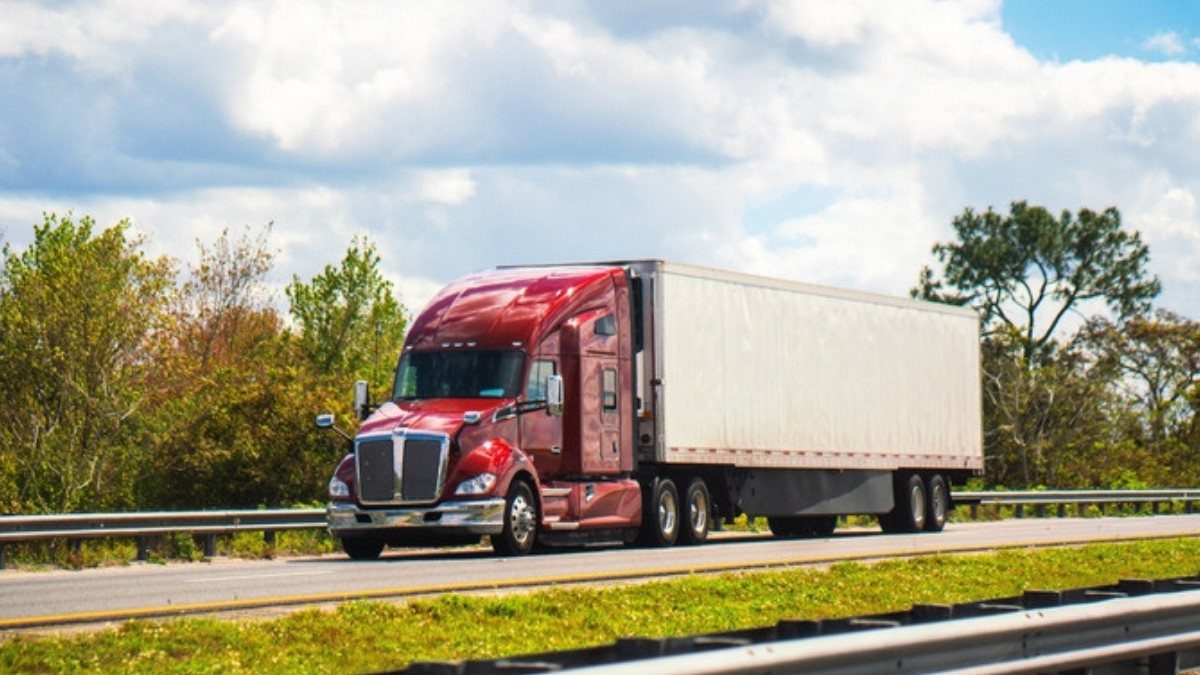
A tractor-trailer drifts into your lane on I-26 near Jedburg Road, or a box truck backs into your car on Central Avenue. Truck accident attorneys in Summerville start with one number, the gross vehicle weight rating the manufacturer gave the truck. That rating, along with the truck's route, decides which safety rules bound the driver and which records the company had to keep. It also bears on which insurance minimum applied.
Federal law defines a commercial motor vehicle in 49 CFR 390.5, and its first weight line sits at 10,001 pounds. South Carolina draws a second line at 26,001 pounds for trucks running only inside the state, in Section 56-5-4240. After a truck crash, get medical care, keep the report number and note the company name on the cab. Federal rules require some carrier records to survive only three months, so an early request matters.
Frost Law Group handles truck crash claims from one office in Summerville, where its two attorneys, a married couple, practice side by side. Personal injury, including truck accident claims, is a focus of Tara L. Frost's practice. From July 2022 until August 2025, she sat as a Dorchester County Magistrate Judge. That bench showed her how a courtroom tests evidence and the credibility of the people who offer it.
Call Frost Law Group at (843) 419-6653 for a free, confidential consultation about the truck crash. A lawyer at the firm takes your questions directly, with no call center in between.
Free case review
Tell us what happened. An attorney will explain your options and what to do before you talk to the insurance company.
On this page
- Why Truck Accident Attorneys in Summerville Start With the Vehicle's Weight Rating
- Federal Hours of Service Rules a Summerville Semi Truck Lawyer Checks First
- What a Summerville 18 Wheeler Accident Lawyer Examines After an I-26 Crash
- Delivery Vans and Box Trucks Handled by a Commercial Vehicle Lawyer in Summerville
- Which Companies a Summerville Truck Crash Attorney Can Hold Responsible
- Records a Truck Accident Lawyer in Summerville Must Request Before They Disappear
- How Summerville Truck Wreck Attorneys Handle Shared Fault Under the 2026 Law
- Call Frost First and Speak With Truck Accident Attorneys in Summerville
Why Truck Accident Attorneys in Summerville Start With the Vehicle's Weight Rating

Federal rules define the gross vehicle weight rating as the manufacturer's figure for a single vehicle's maximum loaded weight. A truck claim at Frost Law Group can begin with that rating, plus the combination rating if a trailer was attached. The federal definition also counts actual weight, whichever figure is greater. So a truck loaded past its rating can cross a line its paperwork never reached.
Each line brings its own rulebook, its own records and its own insurance floor. The 2024 SCDPS Traffic Collision Fact Book shows how mixed the field is. Of 3,260 commercial vehicle collisions statewide, 1,541 involved carriers operating only in interstate commerce. Another 413 involved carriers operating only inside South Carolina, and 419 involved trucks or buses not used in commerce.
For truck accident attorneys in Summerville, placing the truck in the right weight class comes before any request for records. Picture a flatbed of roofing shingles from a North Carolina supplier sideswiping a car on US 17A. Its trip, its weight and its cargo each change which rules applied. Those facts come from the truck's paperwork, which a lawyer confirms case by case.
Pickups and Cargo Vans Rated Under 10,001 Pounds
Under 10,001 pounds, a vehicle generally falls outside the federal definition, even when a business owns it. Enough passengers or enough hazardous cargo can still bring it inside under another test. South Carolina's ordinary rules otherwise govern, including the 25/50/25 liability minimum in Section 38-77-140. In dollars, that is $25,000 per injured person, $50,000 per accident for injuries and $25,000 for damaged property.
Frost Law Group handles these crashes much like other car wrecks in Summerville, and the analysis usually starts with any traffic statute the driver broke. A contractor's pickup that rear-ends a sedan on Dorchester Road usually faces the same statutes as any passenger car.
Interstate Commercial Vehicles From 10,001 Pounds
At 10,001 pounds, a vehicle used on a highway in interstate commerce becomes a commercial motor vehicle. The Federal Motor Carrier Safety Regulations then reach the driver, the vehicle and the company. Those rules cover hours of service, inspections, driver files and insurance. Weight is only one of four tests in the definition, and interstate commerce reaches further than most people expect.
Four Ways a Vehicle Qualifies Under 49 CFR 390.5
Weight is the first test, meaning a rating or actual weight of 10,001 pounds or more. A second covers a vehicle designed or used to carry more than 8 passengers, driver included, for pay. Vehicles carrying more than 15 people, driver included, meet a third test even when no one pays. The fourth reaches any vehicle hauling hazardous materials in amounts that require placards. One test is enough, subject to the exceptions the regulations list.
When an In-State Trip Still Counts as Interstate Commerce
Federal law treats some trips inside one state as interstate commerce. The definition covers travel between two places in a state when it is part of a shipment that began or ends outside the state. Say a box truck carries freight from a Ladson warehouse to a store on Bacons Bridge Road. If that freight came from another state on the same shipment, the short local leg may still count as interstate. Shipping records settle the question, and a lawyer has to obtain them.
The 26,001-Pound Line for Commercial Licenses and In-State Trucks
The commercial driver's license rules in 49 CFR 383.5 start higher, at 26,001 pounds. A driver needs a CDL for a single vehicle rated at that weight or more. A combination rated at 26,001 pounds or more also requires one when the towed unit's rating tops 10,000 pounds. So do vehicles built for 16 or more passengers, driver included, and hazardous loads that need placards.
South Carolina borrows the 26,001-pound figure for trucks running only inside the state. Under Section 56-5-4240, an intrastate commercial vehicle at or over that weight, and its driver, must meet the federal safety regulations. Lighter trucks are exempt unless they seat 16 or more passengers or haul hazardous loads that need placards. The statute also allows exceptions made by other law or by Department of Public Safety regulation, so a lawyer checks both.
Section 56-5-4010(B) gives the State Transport Police Division of SCDPS the sole power to enforce the commercial carrier laws in South Carolina. Those laws include the federal safety regulations, the hazardous materials rules and the size and weight limits.
Truck Tractors and the Trailers Behind Them
A truck tractor, in the federal definition, is a self-propelled commercial vehicle designed or used mainly to pull other vehicles. SCDPS counted 6,159 collisions involving a truck tractor in South Carolina in 2024. Those collisions killed 80 people in 69 fatal crashes and seriously injured 117 more. Interstates carried 2,360 of them, including 29 fatal ones.
That count sorts crashes by the type of unit involved, so it overlaps the commercial vehicle total. Frost Law Group handles tractor-trailer collisions as their own kind of case. The tractor, the trailer and the load in one crash may belong to three different companies.
Federal Hours of Service Rules a Summerville Semi Truck Lawyer Checks First
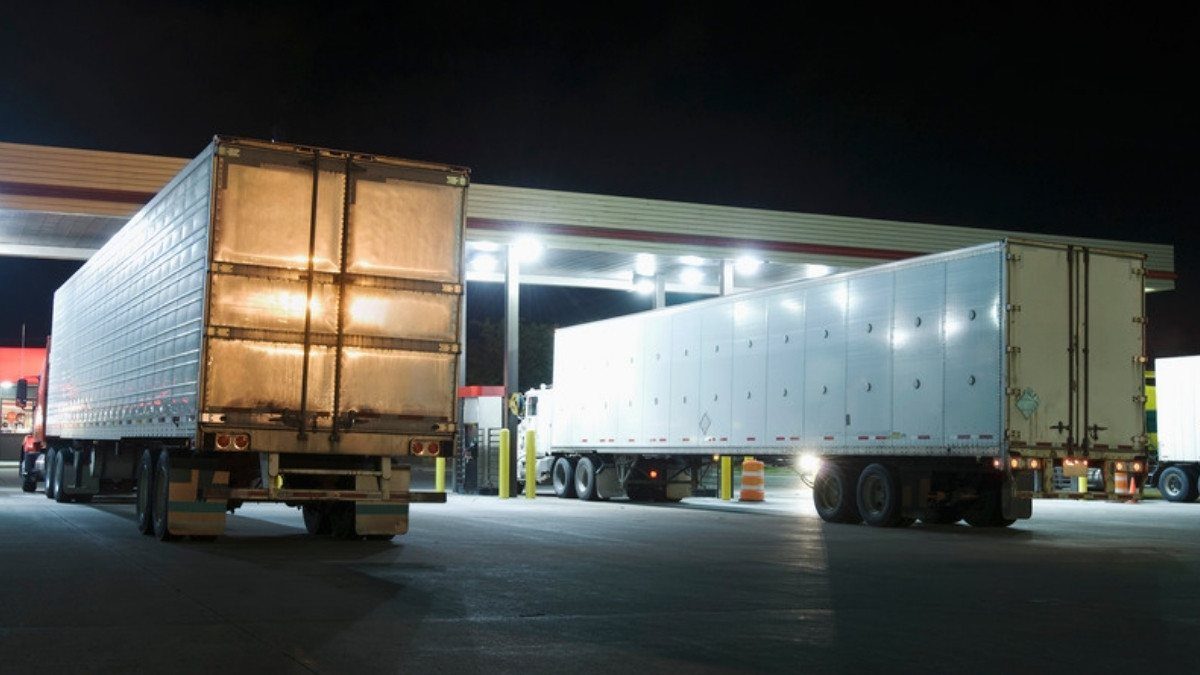
An hours review starts by rebuilding the driver's duty status for the eight days before the crash. That span matters because 49 CFR 395.3 counts on-duty time across seven or eight days in a row. A lawyer at Frost Law Group can line up log entries against fuel receipts, delivery times and dispatch messages. A log showing the driver at rest while a receipt puts the truck at a Summerville gas station raises an obvious question.
These limits bind drivers of property-carrying trucks under the federal rules. Passenger carriers follow separate limits in 49 CFR 395.5, and some local drivers qualify for exceptions. Whether a violation caused the crash, or only sat in the file, is a question the evidence has to answer.
The Daily Limits in 49 CFR 395.3
Three limits shape a driver's day, and each leaves a trace in logs, receipts and dispatch records. A driver who breaks one may also be tired, but the violation counts whether or not fatigue shows. Frost Law Group handles truck driver fatigue claims built on these limits. Those claims trace the driver's time from the last rest period to the last mile driven before impact.
The 10-Hour Off-Duty Period Before Driving
A property-carrying driver may not drive without first taking 10 consecutive hours off duty. Some summaries still say eight hours, which does not match the rule for freight haulers. Sleeper berth time has its own provisions in 49 CFR 395.1, so a lawyer checks where and how the driver spent those hours.
Eleven Hours of Driving Inside a 14-Hour Window
Once 14 consecutive hours have passed since the driver came on duty, driving must stop. Driving inside that window may total no more than 11 hours. The window keeps running through loading, fueling and meal stops. Suppose a driver came on duty at 4 AM after a full rest and crashed near Exit 199 at 7 PM. Fifteen hours had passed, one beyond the window, unless one of the listed exceptions applied.
A 30-Minute Interruption After Eight Hours of Driving
Once 8 hours of driving pass without a break from driving of at least 30 consecutive minutes, the driver must stop. Since a 2020 amendment, that break can be off duty, in the sleeper berth or on duty but not driving. Half an hour waiting at a loading dock may satisfy it with no rest at all. A log showing more than eight hours of driving with no such break points to a violation.
Weekly On-Duty Caps and the 34-Hour Restart
A driver may not drive after 60 hours on duty in 7 consecutive days. The cap becomes 70 hours in 8 days if the carrier runs trucks every day of the week. Both totals count all on-duty time, including loading and inspections. Taking 34 or more consecutive hours off duty restarts the 7- or 8-day period.
The restart is optional, so a driver who never takes one stays under the rolling cap. A weekly breach may not show in any single day's log. So a lawyer totals the on-duty hours day by day and asks for all eight days, not the crash day alone.
Electronic Logging Devices and the Paper Log Exceptions
Carriers covered by Part 395 have had to install electronic logging devices, or ELDs, since December 18, 2017. Drivers must use them to record duty status. Paper logs remain lawful for a driver who needs logs on no more than 8 days in any 30-day period. Paper also stays allowed when the vehicle being driven is itself part of the shipment, and for trucks built before model year 2000.
The carrier must hold each driver's duty-status records and their supporting documents for six months or longer from receipt. On duty, the driver must carry the previous seven consecutive days of records. A lawyer can ask the carrier in writing to keep those logs, because six months is a minimum, not a promise.
Does Every Truck Driver on I-26 Keep an Hours Log?
No. The short-haul exception in 49 CFR 395.1(e)(1) excuses some local drivers from logs. Such a driver must stay within 150 air miles of the normal reporting location. Each shift must also end back at that location within 14 consecutive hours, with 10 hours off between shifts. The carrier then keeps time records for six months showing report time, hours on duty and release time.
Drivers of intrastate trucks under 26,001 pounds generally fall outside the federal rules under Section 56-5-4240. A missing log is a fact that needs an explanation. The question for truck accident attorneys in Summerville is whether the driver met every condition of the exception the carrier claims.
What a Summerville 18 Wheeler Accident Lawyer Examines After an I-26 Crash
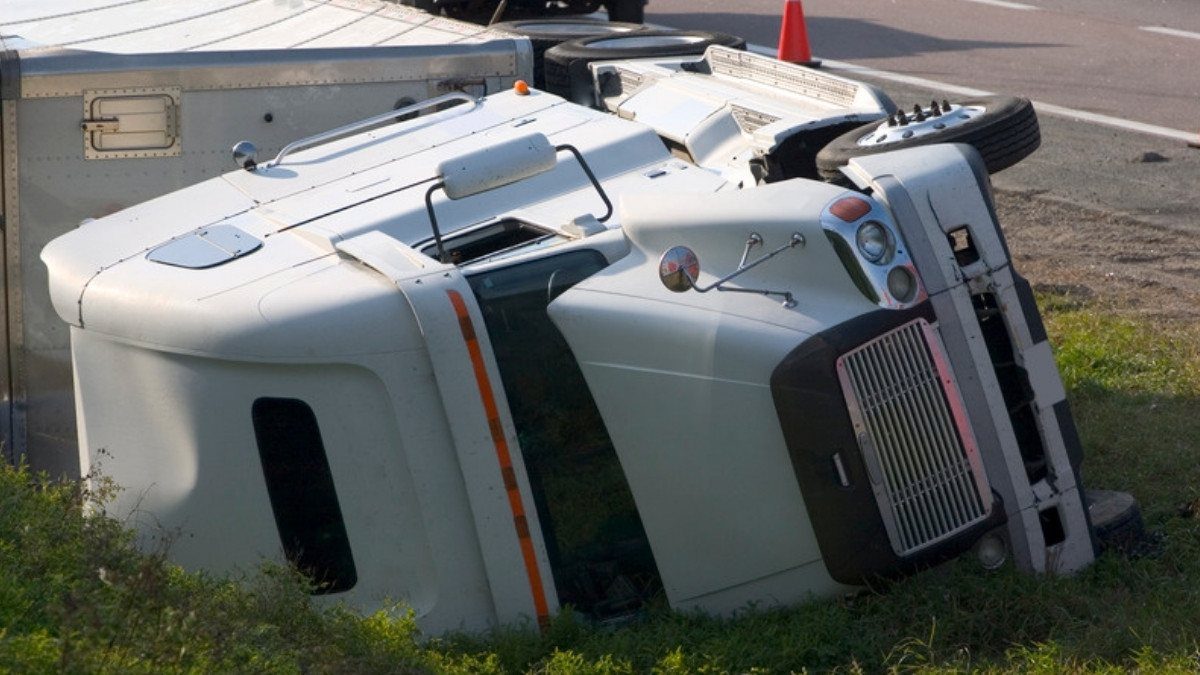
SCDOT's hurricane evacuation diagrams for I-26 label Exits 194, 197, 199 and 203 as Berkeley County. Those interchanges connect to Jedburg Road, Nexton Parkway, US 17A and College Park Road, and US 17A is North Main Street there. Exit 205, at US 78 and University Boulevard, lies in Charleston County. That puts the North Main Street exit in Berkeley County, even though most Summerville residents live in the Dorchester County part of town.
On the I-26 stretch from US 17A to College Park Road, SCDOT's 2024 estimate was 89,700 vehicles a day. From College Park Road to US 78, the estimate climbed to 107,600. Both of Berkeley County's most crash-prone intersections that year were I-26 interchanges, with 113 collisions at College Park Road and 103 at Jedburg Road. Frost Law Group also handles truck crashes in Charleston County, where Exit 205 sits.
Statewide, 1,054 commercial vehicle collisions happened on interstates in 2024, and 36 were fatal. Picture a tractor-trailer from the Nexton Parkway ramp pushing a car into the median. Truck accident attorneys in Summerville would examine that crash from three directions. They would look at the agencies that investigated, the drug and alcohol tests the carrier owed and the medical care that followed. EMS may take someone hurt on that stretch to MUSC in Charleston, which DPH designates Adult Level I, or to Trident Medical Center in North Charleston, Adult Level II.
Agencies That Investigate an Interstate Truck Wreck
Jack C. Frost worked in law enforcement for fourteen years. His titles included police officer and corporal in Summerville. At the Charleston County Sheriff's Office, his assignments ran from deputy to master deputy to detective. Those jobs showed him how a case file comes together and how officers write up a wreck. He reads a truck crash report for what it records and what it leaves out.
Highway Patrol Troop Six and Troop Nine
Troop Six of the South Carolina Highway Patrol covers six counties, including Berkeley, Charleston and Dorchester. Its headquarters sits at 2070 Northbrook Boulevard in North Charleston. Post A, which handles Berkeley and Charleston counties, shares that address. Dorchester and Colleton counties belong to Post B, based at the Colleton Patrol Office in Walterboro. The troop worked 9,380 collisions in 2024, and 100 were fatal. Troop Nine is the Highway Patrol's Multi-disciplinary Accident Investigation Team, and a lawyer asks early whether it took part.
State Transport Police and the Federal Carrier Rules
The Highway Patrol investigated 80,380 of South Carolina's 143,801 collisions in 2024. Carrier rules follow a separate track. Section 58-23-1120 and Section 56-5-4010(B) assign the State Transport Police Division to enforce the federal safety regulations and the size and weight laws. A lawyer asks whether that division examined the truck or driver after the crash. Any inspection findings it made would form a record separate from the crash report.
When the Carrier Must Test the Driver for Drugs and Alcohol
Under 49 CFR 382.303, an employer must test surviving drivers after certain crashes involving a commercial vehicle on a public road. The rule reaches drivers whose work requires a commercial driver's license, per 49 CFR 382.103. Not every truck crash triggers a test, and the window for each one is short. A lawyer can ask early whether testing happened, when, and why any delay occurred.
Crashes That Took a Life
A death in the crash triggers testing of each surviving driver as soon as practicable, with or without a citation. For alcohol, an employer that misses the 2-hour mark must document why, and it must give up after 8 hours. Drug testing ends at 32 hours. Under 49 CFR 382.209, the driver may not drink for 8 hours after the crash unless the alcohol test comes sooner. Frost Law Group handles fatal truck crashes for families, and the testing records belong among the first requests.
Injury and Tow-Away Crashes With a Citation
Without a death, two facts must line up. Someone must have received immediate medical treatment away from the scene, or a vehicle must have needed a tow because of disabling damage. The truck driver must also receive a moving-violation citation, within 8 hours for the alcohol test or 32 hours for the drug test.
Delivery Vans and Box Trucks Handled by a Commercial Vehicle Lawyer in Summerville
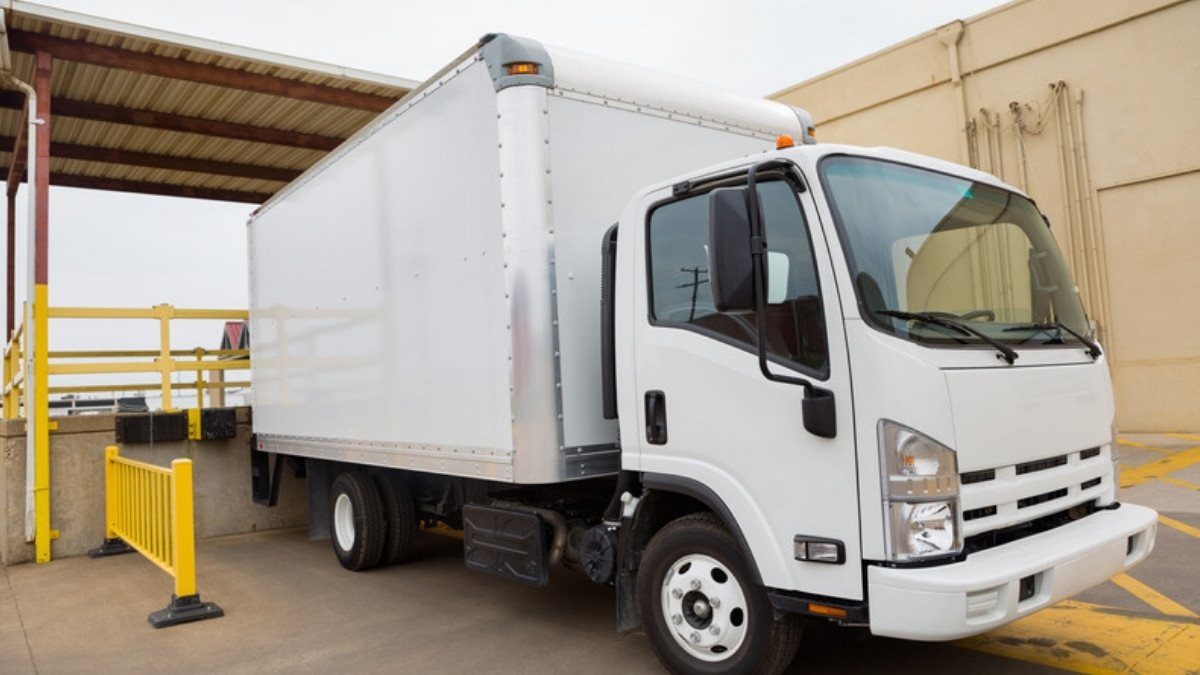
Many drivers assume trucking rules begin and end with 18-wheelers. The federal line sits at 10,001 pounds, far under the weight of a loaded tractor-trailer. Plenty of box trucks and pickups towing trailers qualify as commercial vehicles though their drivers need no CDL. Frost Law Group handles delivery truck collisions, and the first question in each is which rulebook the vehicle fell under that day.
Enclosed box bodies were the most common cargo body on commercial vehicles in South Carolina's 2024 collisions, with 1,211 of 3,466. That category counts the body, not the vehicle, so it takes in tractor-trailer vans along with box trucks. Of those enclosed-box vehicles, 36 were in fatal collisions. Sorted by configuration, two-axle single-unit trucks with six or more tires numbered 428, and 44 were in fatal collisions. The two counts sort the same vehicles different ways, so they overlap.
Take a rental box truck and a car that collide at Dorchester Road and Old Trolley Road. The truck's weight rating and its route decide whether federal rules apply at all.
Box Trucks Rated From 10,001 to 26,000 Pounds
A box truck in this range sits between the federal line and South Carolina's line. Its driver needs no commercial license under 49 CFR 383.5 unless the load includes hazardous materials that need placards. The route the truck ran that day decides which rules applied. A rental truck and a parcel truck of the same size can land on opposite sides of that question. That is why truck accident attorneys in Summerville trace the route before relying on any federal rule.
Crossing a State Line Triggers the Federal Rules
Used in interstate commerce, a truck rated at 10,001 pounds or more is a commercial motor vehicle under the federal definition. The driver and carrier must then follow federal rules on hours, inspections and driver qualification, with or without a CDL. A furniture truck running from a North Carolina showroom to a home off Orangeburg Road would fall in this group.
Staying In-State Leaves Ordinary Traffic Law in Charge
Now assume the truck never leaves South Carolina and none of its freight is part of an interstate trip. Section 56-5-4240(B) then generally exempts it from the federal rules. State law still governs how the company drives and maintains it. Section 56-5-4410 makes it unlawful to drive a vehicle in a condition that endangers people or property. An owner who knowingly allows that breaks the same section, which also reaches missing or faulty lights, brakes and steering.
Local Delivery Drivers and the Non-CDL Short-Haul Rule
Many delivery drivers never keep a traditional log. Under 49 CFR 395.1(e)(2), a non-CDL driver of a property-carrying truck can skip both the log and the 14-hour limit, on conditions. The driver must stay within 150 air miles of the reporting location and return there after each duty tour. Driving still ends 14 hours after the driver comes on duty on 5 days of any 7-day period. On the other 2 days, the cutoff is 16 hours.
The carrier keeps time records for six months showing report time, hours on duty and release time. Say a box truck driver clocks in at a Ladson site at 6 AM and rear-ends a car on Dorchester Road at 9 PM. Fifteen hours had passed since the driver came on duty. The time records, which a lawyer can request by date, show whether that day carried the 14-hour or the 16-hour cutoff.
Loose Loads From Dump Trucks and Open Beds
Section 56-5-4100 bars driving any vehicle loaded so that cargo can drop, sift, leak or escape onto the road. A 2024 amendment added an express rule that any load and any covering must be securely fastened. Rock, gravel and stone haulers must keep the load 6 inches below the tops of all four walls or cover it. When cargo falls, the driver must make every reasonable effort to clear it, and the owner, driver or carrier pays for removal.
The statute says nothing in it bars a claim for damages. It exempts several cargo types, including forest products, poultry, livestock and seed cotton, so a log truck spill may need a different theory. A lawyer checks the cargo against that list before building a claim on this statute.
Do Trucking Rules Apply to a Pickup Towing a Trailer?
They can. For a combination, the federal rating can be the sum of the two vehicles' ratings or weights, whichever sum is highest. A landscaping pickup and equipment trailer that reach 10,001 pounds together, used in interstate commerce, meet the weight test. For that pairing, a CDL comes into play at 26,001 pounds combined when the trailer's own rating tops 10,000 pounds. The ratings on both vehicles decide the answer.
Which Companies a Summerville Truck Crash Attorney Can Hold Responsible

When a box truck driver runs a red light on Bacons Bridge Road, who answers for it? The driver does, and so may the company whose name appears on the door. A third or fourth business may share the blame, such as the trailer's owner, the shipper that loaded it or a repair shop. Consider a tractor owned by one company pulling a trailer leased from a second and loaded by a third. When its brakes fail on Jedburg Road, each company's role becomes a fault question.
The federal definitions offer a starting map. Under 49 CFR 390.5, a motor carrier includes its agents, officers and representatives. It also includes employees who hire, supervise, train, assign or dispatch drivers, and those who install, inspect or maintain equipment. Lawyers at Frost Law Group can read those definitions against leases, shipping papers and dispatch records. Which companies a South Carolina court holds responsible depends on contracts, control and conduct a lawyer has to prove.
Carriers, Dispatchers and the Mechanics Who Keep Trucks Running
The motor carrier is usually the first company a lawyer identifies. Its safety duties run through the people it hires and the schedules it sets. A dispatcher who assigned a run the driver could not finish within the hours limits may move fault toward the company. So may a mechanic who put a truck back in service with worn brakes. Truck accident attorneys in Summerville ask who made each of those decisions.
Owner-Operators and the Federal Employee Definition
Carriers sometimes point out that the driver owned the tractor or worked as an independent contractor. For the federal safety rules, 49 CFR 390.5 answers part of that point. Its definition of an employee includes an independent contractor while driving a commercial vehicle. Whether that carries over to vicarious liability, meaning one party answering for another's negligence, is a South Carolina law question for the court.
Employers That Own, Lease or Assign the Truck
The same regulation defines an employer as a business affecting interstate commerce that owns or leases a commercial vehicle. Assigning employees to drive one also qualifies. That wording can reach a company that never titled the truck in its own name. A lease between the truck's owner and the carrier can show who controlled the driver that day.
Insurance Floors That Rise With the Cargo
Federal minimum insurance turns on what the truck carried and for whom. Under 49 CFR 387.9, for-hire carriers moving general freight between states need at least $750,000 in public liability coverage, which pays for bodily injury and property damage the carrier causes others. That row applies when the vehicle's rating is 10,001 pounds or higher. Oil and most listed hazardous materials raise the floor to $1,000,000. Certain bulk hazardous substances, explosives and certain radioactive shipments raise it to $5,000,000.
These are minimums, not caps, and a carrier may carry more. The $750,000 row does not reach a private carrier hauling its own nonhazardous goods or a carrier operating only within South Carolina. Placing the truck in the right row comes before any talk of coverage.
Proof of Coverage the Carrier Must Produce on Request
Under 49 CFR 387.7, a carrier must keep proof of its required coverage at its principal place of business. The proof can take three forms. One is an MCS-90 endorsement, a form an insurer attaches to the carrier's policy. The others are a surety bond on Form MCS-82 and a federal self-insurance order. The regulation calls that proof public information. A carrier must produce it when any member of the public makes a reasonable request.
A Fleet Policy and South Carolina's 30-Day Limits Statute
Section 38-77-250 makes an auto insurer disclose policy limits to a claimant's attorney within 30 days of a sworn request. The statute reaches known non-fleet private passenger policies. Fleet policies are exempt, as are umbrella and excess limits. A trucking company's coverage may fall outside it, which makes the federal proof of coverage more useful in a truck case.
Government Trucks and the Tort Claims Act
Government vehicles appeared in 104 commercial vehicle collisions statewide in 2024. A crash with a county dump truck or a state road maintenance truck puts the claim under the state's Tort Claims Act, whose clocks run shorter than the usual three years. Each clock starts on the discovery date, the day the injured person learned of the loss or should have learned of it. Section 15-78-110 allows two years from that date to sue. Someone who files a verified claim with the county or state employer before suing gets three years instead.
Under Section 15-78-80(d), that employer must receive the verified claim within one year of the discovery date. The Act limits one person's recovery to $300,000 and an occurrence's total to $600,000, and it bars punitive damages. Identifying the vehicle's owner early matters, since these shorter deadlines can end a claim first.
Records a Truck Accident Lawyer in Summerville Must Request Before They Disappear

Under 49 CFR 395.8(k), a carrier must keep each driver's records of duty status for at least six months. Supporting documents share that period, counted from the date the carrier receives them. None of these rules makes a carrier destroy anything, and none requires it to keep a record past the minimum.
Frost Law Group can send the carrier a preservation letter, a written request to keep records, naming each category and date range. Suppose a crash happened near Exit 197 in March. A driver defect report from that trip may be gone by June, since the federal minimum for those reports is three months. Truck accident attorneys in Summerville work backward from those minimums to decide what to request first.
Retention Periods That Differ by Record Type
Each federal rule sets its own period, and the periods differ by months and years. A lawyer who assumes one blanket period can miss a file the carrier lawfully discarded. These periods are minimums, and a carrier may keep records longer. Knowing the shortest period tells a lawyer which request cannot wait. The list runs from three months to several years.
Hours Records and the Documents Behind Them
Records of duty status and their supporting documents stay in the carrier's files for at least six months. Carriers using the short-haul exception keep drivers' time records for the same period. While on duty, the driver carries the prior seven days of records, so the cab itself may hold the most recent week at the moment of the crash.
Vehicle Inspection and Maintenance Files
Vehicle records fall under Part 396, and three separate periods apply to them. A brake adjustment, a tire replacement and a repair order can each sit in a different file. Since a general request invites a narrow answer, a lawyer names each category and each unit, tractor and trailer alike.
Driver Vehicle Inspection Reports, Three Months
A carrier must keep driver vehicle inspection reports for three months from the date the driver prepared each one, under 49 CFR 396.11. Drivers write one only after finding or learning of a defect in the vehicle. A report that noted a brake problem days before the crash, with no repair on file, may matter a great deal to a jury.
Maintenance Records, One Year
Inspection, repair and maintenance records stay where the carrier houses or maintains the truck for one year, under 49 CFR 396.3. After the truck leaves the carrier's control, the duty lasts six more months. A truck sold or scrapped after a crash can take its repair history out of reach on that short schedule.
Annual Inspection Reports, Fourteen Months
The periodic inspection report, the truck's annual check, stays on file for fourteen months from the inspection date under 49 CFR 396.21. It records what the inspector found at that check. Comparing it with any driver defect reports can show whether anyone knew of a defect and left it alone.
Driver Qualification Files, Employment Plus Three Years
A carrier keeps each driver qualification file while it employs the driver and for three years after, under 49 CFR 391.51. Some items, such as annual reviews of the driver's record, may come out three years after the carrier created them. The file shows how the carrier checked the driver before assigning runs.
The Collision Report and the Truck Supplement
In its Fact Book, SCDPS counts a crash as a commercial vehicle collision only when at least one vehicle meets the criteria for a truck or bus supplement form. A lawyer checks that the officer's report carries that supplement and that its entries match the truck's paperwork. SCDMV provides copies online, at branch offices or by mail on Form FR-50, and the form lists a $10 fee per report. A copy becomes available only once SCDMV has processed the report.
Out-of-state licenses belonged to 42.7% of commercial vehicle drivers involved in South Carolina's 2024 collisions. For those drivers, the license state and address on the report can point toward the carrier and its insurer. A lawyer requests the complete report, since SCDMV describes the paperwork handed to drivers at the scene as less detailed.
What Should You Save Before the Carrier's Files Are Gone?
Keep the report number and every form the officer handed you. If one of them is an FR-10 insurance verification form, you or the vehicle's owner has 15 days from the day the officer delivered it to return it to SCDMV. Photograph the truck's cab door, the trailer and any numbers painted on them, along with the scene and your injuries. Write down witness names and any businesses with cameras facing the road. Those details can become records requests aimed at the right companies.
How Summerville Truck Wreck Attorneys Handle Shared Fault Under the 2026 Law
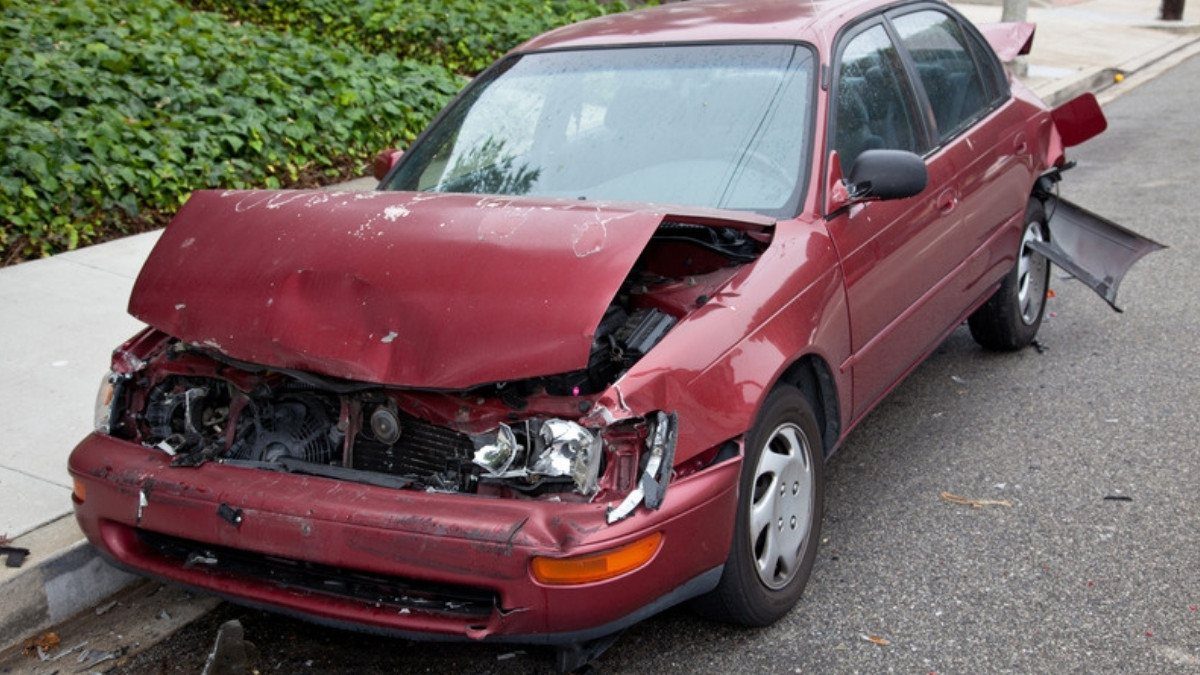
Picture a car driver near Exit 203 who changed lanes without signaling while a tractor-trailer behind followed too closely. A jury could weigh both drivers' conduct, along with any hours violation in the trucker's logs. The split turns on evidence a lawyer must first gather.
A trucking company's adjuster may point to statewide numbers instead. The SCDPS Fact Book counted 99 fatal collisions in South Carolina in 2024 between a commercial vehicle and a non-commercial vehicle. Officers listed the non-commercial vehicle as the contributing unit in 71 of them and the commercial vehicle in 24. They listed both as contributing in 4 more.
An officer's contributing entry is a judgment formed after the crash, not a jury's finding. Frost Law Group can test those entries against the logs, the inspection files and the scene evidence. Tara L. Frost trained early in how trials test evidence. As a Charleston School of Law student, she served as vice president of the Student Trial Lawyers Association. She also helped institute the law school's Trial Advocacy Board. How fault divides in a truck case depends on proof, and no lawyer can predict the split.
Your Own Share Under Modified Comparative Negligence
The South Carolina Supreme Court restated the state's comparative negligence rule in Davenport v. Cotton Hope Plantation in 1998. An injured person may recover as long as that person's own negligence does not exceed the defendant's. The jury assigns each party a share of fault and trims the award by the injured person's share. At exactly half, a reduced recovery remains possible, and past half, recovery ends.
One truck-specific wrinkle sits in Section 56-5-1930, the following-distance statute. It does not apply to a trailing truck, subject to the federal rules, in a line of trucks using cooperative adaptive cruise control. The same exception covers other automated driving technology. Whether a truck was running that way is a factual question to check before arguing distance.
Act No. 42 and the 50% Line Between Defendants
Act No. 42 of 2025 rewrote how South Carolina divides payment among defendants. The Act covers only claims whose cause of action arose or accrued after January 1, 2026. Joint and several liability lets a plaintiff collect an entire judgment from any one responsible defendant. The 50% line existed before the Act, which changed whose fault counts toward it and which exceptions remove its protection. Truck cases can involve several defendants at once, so the change can matter more in them than in a two-car crash.
Defendants Under 50% Pay Only Their Share
Since the 2005 version of Section 15-38-15, any defendant found less than 50% at fault has owed only that portion of the damages. Under the amended version, the jury measures each share against every defendant, every other wrongdoer outside the suit and the injured person. Imagine a jury dividing fault among a truck driver, the carrier, a repair shop and the car's driver. A repair shop under 50% would owe only its own share, absent an exception.
Reckless Conduct and Illegal Drug Use Keep Full Liability
Willful, wanton, reckless or intentional conduct takes a defendant outside the 50% protection. So does conduct involving the illegal use, sale or possession of drugs. Such a defendant stays jointly and severally liable for all damages. The amended statute dropped two exceptions the old version carried, gross negligence and conduct involving alcohol. A positive post-accident test for an illegal drug under 49 CFR 382.303 may bear on that question, though a court decides what the evidence proves.
Empty Chair Rules When the Carrier Answers for Its Driver
An empty chair is a person or company the defendant blames who is not a party to the suit. Act 42 lets a jury assign fault to that absent party under set conditions. Truck accident attorneys in Summerville list every company tied to the truck early, so a late empty chair defense is less likely to take the client by surprise. For truck cases, one of those conditions matters more than the rest.
The 180-Day Window to Name an Absent Party
Once the suit begins, a defendant gets 180 days to disclose any absent wrongdoer it plans to blame. Good cause can excuse a later disclosure. The injured person can then add that party as a defendant. That amendment relates back, meaning it counts from the original filing date. Without that step, the defendant must prove the absent party's breach was a proximate cause of the injuries. A proximate cause is a direct legal cause of harm.
Absent Parties a Jury Cannot Blame
Some absent parties cannot go on the verdict form at all. The list includes a party immune from suit and a party whose own conduct was willful, wanton, reckless or intentional. It also includes a party whose fault is the basis for the defendant's liability. A carrier sued only for its driver's negligence answers through the driver's fault. That bar may keep the carrier from blaming its own absent driver.
Does the 2026 Law Cover a Truck Crash From 2025?
Generally not. Act 42 draws its line at causes of action arising or accruing after January 1, 2026. A crash from December 2025 that reaches court in 2026 stays under the prior version of Section 15-38-15. Under that version, grossly negligent conduct and conduct involving alcohol also kept a defendant fully liable. The filing deadline did not change, and the three-year period in Section 15-3-530 still governs most injury suits. The dates in the file decide which version applies.
Call Frost First and Speak With Truck Accident Attorneys in Summerville
Federal rules stop requiring a carrier to keep driver defect reports after three months and hours records after six. Frost First means calling before those periods end, even with a single question. At Frost Law Group, truck accident attorneys in Summerville can tell you which weight lines the truck crossed and which records to request. No lawyer can promise a result, but a lawyer can ask for records while they still exist.
Jack C. Frost and Tara L. Frost were Summerville High School sweethearts, and each later graduated from the Charleston School of Law. They practice from a single office. Client reviews on Google put the firm at 4.8 stars. Bring the report number, photos of the truck and any insurance papers to a free, confidential consultation.
The office sits at 128 Linwood Lane, Summerville, SC 29483. Weekday hours start at 9 AM and end at 5 PM Monday through Thursday. On Friday the doors close at noon, though an afternoon appointment is possible on request.
Call (843) 419-6653 or send the Linwood Lane office a message online with the crash date, the road and anything you know about the truck.

The attorneys at Frost Law Group
 Tara L. FrostAttorney at Law · Personal injuryTara L. Frost focuses on personal injury, car accident and truck accident claims. A lifelong resident of the tri-county area, she meets clients at the Linwood Lane office in Summerville.
 Jack C. FrostAttorney at Law · Former Summerville police officer and Charleston County Sheriff's Office detectiveJack C. Frost spent fourteen years in law enforcement with the Summerville Police Department and the Charleston County Sheriff's Office before he practiced law.