
Car Accident Attorneys in Summerville
- Free consultation
- No fee unless we win
- Available 24/7
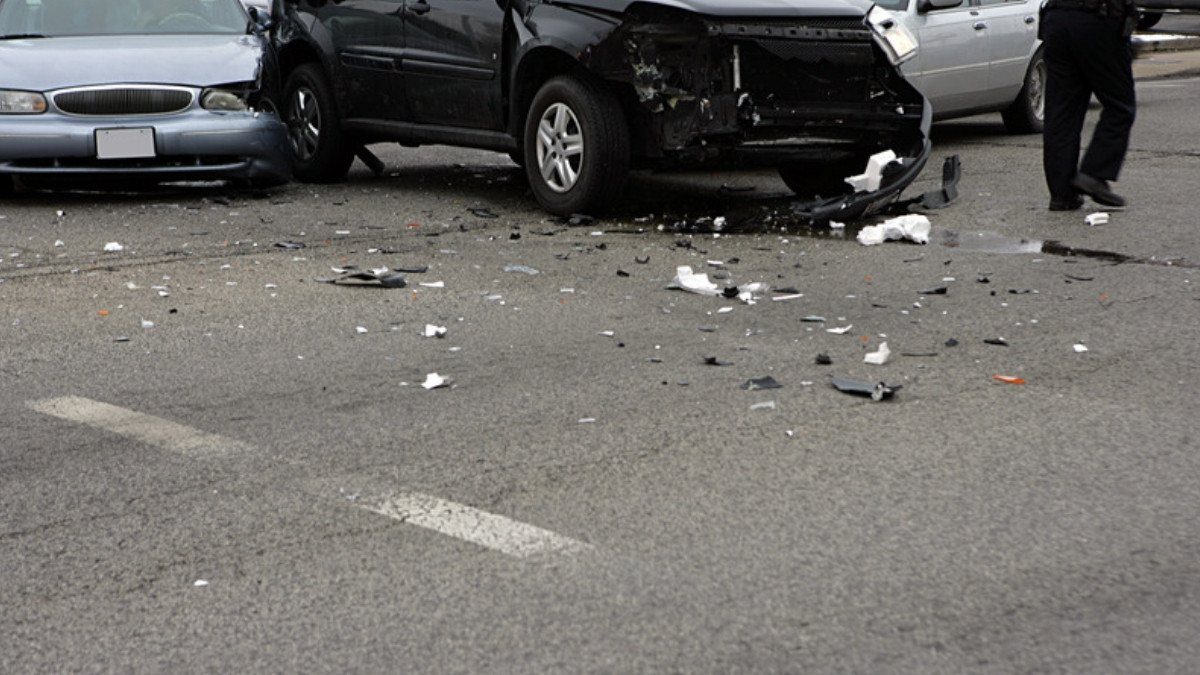
A wreck on Dorchester Road or Main Street can leave you with a damaged car and a sore neck. Then the other driver's adjuster calls, asking to record your account before you have read the police report. Car accident attorneys in Summerville start where the officer started, with that report and the traffic law behind it. The questions that follow are who broke a rule of the road, whose insurance pays and how long you have.
In South Carolina, the at-fault driver and that driver's insurer answer for the harm a crash causes. Fault turns on the rules of the road in Title 56, Chapter 5 of the South Carolina Code. Section 15-3-530 generally gives injured people three years to file suit, and some claims allow less time. Before you talk to any insurer, get the report number and make sure the FR-10 form the officer handed you goes back inside its 15-day window.
Frost Law Group is a two-attorney Summerville firm, and its two lawyers are husband and wife. Tara L. Frost focuses on personal injury and car accident claims. Jack C. Frost served fourteen years in law enforcement, first with the Summerville Police Department and later with the Charleston County Sheriff's Office. That career taught him how police gather evidence and how their reports take shape.
Phone Frost Law Group at (843) 419-6653 for a free, confidential consultation about your wreck. An attorney takes the call, not a call center, and asking a question carries no obligation.
Free case review
Tell us what happened. An attorney will explain your options and what to do before you talk to the insurance company.
On this page
- How Car Accident Attorneys in Summerville Prove a Driver Failed to Yield
- What a Summerville Car Crash Lawyer Looks for When Speed Caused the Wreck
- Rear End and Lane Change Collisions a Summerville Auto Accident Lawyer Handles
- How South Carolina Fault Rules Shape a Summerville Car Wreck Attorney's Case
- Insurance Coverage a Car Accident Lawyer in Summerville Can Pursue
- Damages a Summerville Auto Crash Attorney Can Seek Under South Carolina Law
- Reports and Deadlines Car Accident Attorneys in Summerville Track
- Talk to a Summerville Car Accident Lawyer Before You Give a Recorded Statement
How Car Accident Attorneys in Summerville Prove a Driver Failed to Yield
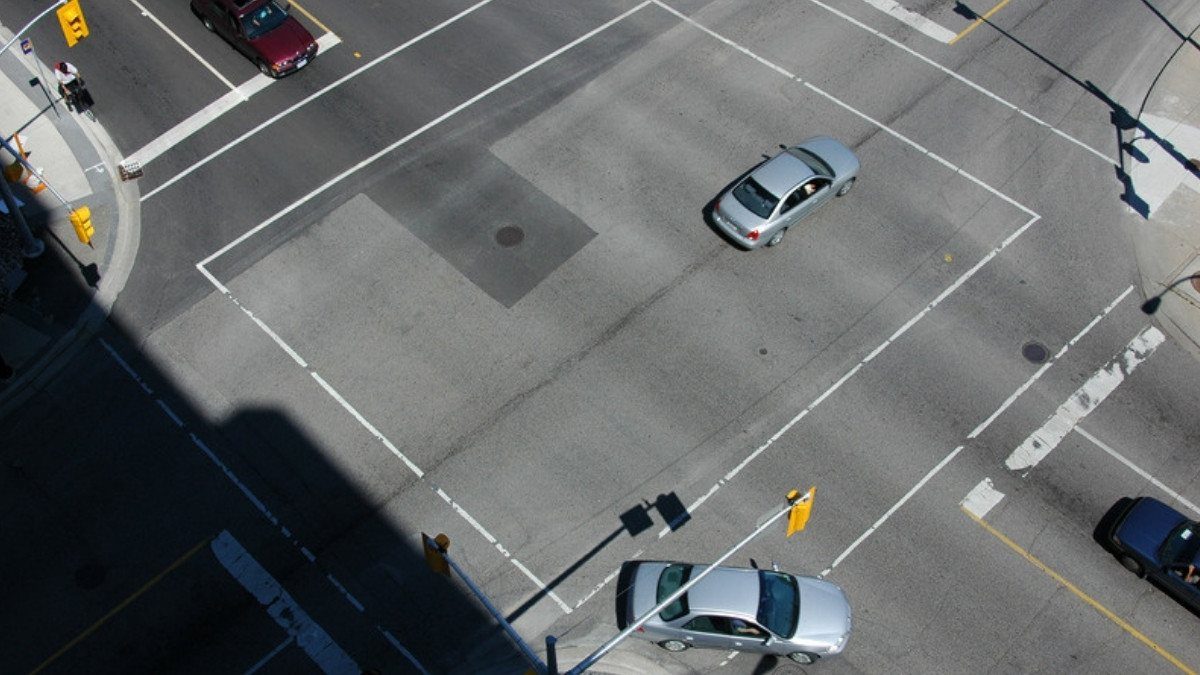
Officers listed Failed to Yield Right of Way 986 times on Dorchester County collision reports in 2024. The count comes from the 2024 Traffic Collision Fact Book published by the South Carolina Department of Public Safety. At Frost Law Group, a failure-to-yield claim starts with the statute the other driver broke. Right of way is the legal right to go first, and yielding means letting the driver who has it go ahead.
No other contributing factor appeared as often in the county. A single report can list up to five factors, so 986 counts listings rather than separate crashes. Of those listings, 4 came from fatal collisions, 15 from serious injury collisions and 246 from other injury collisions.
Officers recorded 56 collisions of all types in 2024 where US 78 meets SC 165, more than at any other Dorchester County intersection. The Fact Book notes that its intersection counts rely on the route numbers and street names officers write down, so naming differences can shift a total.
Left-Turn Crashes and Section 56-5-2320
Section 56-5-2320 covers a driver turning left at an intersection or into an alley, private road or driveway. That driver must yield to oncoming traffic already in the intersection or close enough to be an immediate hazard. The duty reaches a turn into a shopping center entrance off Dorchester Road, not only turns at a signal. Proof comes from the damage pattern on each car, the signal phase at impact and what witnesses saw.
The statute does not hand the turning driver 100% of the fault by default. Comparative fault still applies, so an oncoming driver who was speeding or ran a red light may share the blame. Officers recorded 41 collisions of all types in 2024 where Dorchester Road meets Bacons Bridge Road. The split at a junction like that turns on speeds, sight lines and timing, which a lawyer reviews case by case.
Stop Sign and Yield Sign Collisions on Dorchester County Roads
Section 56-5-2330 tells a driver at a stop sign where to stop. That means the marked stop line or, if there is none, the near side of the crosswalk or the point with a view of approaching traffic. The driver then yields to any vehicle in the intersection or close enough to be an immediate hazard. A yield sign carries a sharper rule.
Suppose a driver rolls past a yield sign without stopping and hits a car in the intersection. The statute treats that collision as prima facie evidence of a failure to yield. Prima facie means the fact is enough, standing alone, to prove the point unless the other side rebuts it. That shortcut applies to yield signs only.
A stop sign case rests on other evidence. Useful proof includes the driver's own statement, a witness who saw the car roll through and the angle of the damage.
What if the Officer Left Failure to Yield off the Report?
The contributing factor entries record the officer's opinion, usually formed after the crash from statements, vehicle damage and the scene. The Department of Public Safety itself says it relies on the investigating officer's judgment for the primary contributing factor. Unless the officer saw the collision, those entries reflect a reconstruction rather than an eyewitness account. Witness statements, dashcam video and the damage pattern can support a different account of who had the right of way.
For that reason, a lawyer orders the full report from the South Carolina Department of Motor Vehicles, or SCDMV, which holds the officer's written report. Frost Law Group can compare its narrative, diagram and coded factors against the physical evidence. Jack C. Frost's background in police work helps here, because he knows how officers gather facts and record them. How much a missing entry matters depends on the rest of the proof.
What a Summerville Car Crash Lawyer Looks for When Speed Caused the Wreck

Section 56-5-1520 bars driving faster than is reasonable and prudent under the conditions, even under the posted limit. The same section requires drivers to control speed as needed to avoid a collision. Officers listed Driving Too Fast for Conditions 823 times on Dorchester County reports in 2024. For Frost Law Group, that entry is a lead to check rather than proof. Showing speed takes physical evidence and timing.
Dorchester Road, which the South Carolina Department of Transportation lists as SC 642, led the county in crashes. It had 519 collisions and 6 deaths in 2024, as recorded in the Fact Book. SCDOT estimated average daily traffic at 45,300 vehicles that year between Old Trolley Road and the Charleston County line. That volume leaves little room for a driver who comes up too fast on stopped traffic.
Reasonable and Prudent Speed Under Section 56-5-1520
Many people assume a driver under the posted limit cannot be at fault for speed. The statute says otherwise. It requires drivers to slow near intersections, curves, the crest of a hill and narrow bridges. The same duty applies when weather or pedestrians create hazards.
Central Avenue, which SCDOT lists as S-13, ranked fifth among Dorchester County roads with 198 collisions in 2024. A driver doing the posted limit there in heavy rain may still break the rule. The statute's default limits run from 30 mph in urban districts to 70 mph on posted interstates. Posted signs can set a different number, so the limit at the exact crash site needs confirming.
Evidence That Shows How Fast a Car Was Moving
Speed rarely appears in a confession. It shows up in tire marks, crush damage, the cars' travel after impact and time stamps on nearby video. Car accident attorneys in Summerville gather it early, since tire marks fade and private cameras may not keep footage long. How much any one piece proves depends on the rest of the record, which a lawyer weighs as a whole.
Scene Work by the Summerville Police Traffic Safety Unit
The Traffic Safety Unit at the Summerville Police Department has officers trained in at-scene and technical collision investigation. The unit's officers also have training in traffic collision reconstruction, DUI detection and field sobriety testing. When that unit works a crash, its measurements and diagrams can anchor a later speed analysis. That matters most when speed and impairment show up in the same wreck. The Highway Patrol has its own Multi-disciplinary Accident Investigation Team, which it designates Troop Nine.
Video, Witnesses and Crush Damage
A gas station camera or another driver's dashcam can fix a vehicle's position frame by frame. An accident reconstructionist can work backward from crush depth and the cars' final resting spots to estimate speed at impact. Witness statements help most when they compare the car to the traffic around it. A witness who saw the car weave past slower traffic gives a jury something concrete.
Run-Off-Road Wrecks That Hurt Passengers
Ran Off Road ranked fifth on Dorchester County reports in 2024 with 339 listings. Yet 8 of those listings came from fatal collisions, more than any other factor in the county's top five. When only one car left the road, an injured passenger may have a claim against the driver's liability coverage. Dorchester County's fatal collisions peaked in the 6 PM to 9 PM window, with 9 of the county's 32.
Sometimes a second vehicle forces the driver off and keeps going. Then the phantom-vehicle rules in Section 38-77-170 come into play. Which claim fits depends on facts car accident attorneys in Summerville sort out first, starting with who else was on the road.
Impaired Drivers and South Carolina's Two DUI Standards
Section 56-5-2930 makes it unlawful to drive while alcohol, drugs or both materially and appreciably impair a person's faculties. Section 56-5-2933 separately makes it an offense to drive with an alcohol concentration of .08 or more. The National Highway Traffic Safety Administration estimates 19 alcohol-impaired driving deaths in Dorchester County in 2024. That compares with 8 in 2023, and both figures are statistical estimates rather than case counts. When an impaired driver's unlawful act or neglect causes great bodily injury or death, Section 56-5-2945 makes the offense felony DUI.
Frost Law Group handles drunk driving crashes as their own case type. A criminal charge, a bar's alcohol sales and punitive damages can each affect the civil claim. A felony conviction or guilty plea from the same conduct also removes the cap on punitive damages. Whether any of these changes the value of a claim depends on proof a lawyer has to develop.
Rear End and Lane Change Collisions a Summerville Auto Accident Lawyer Handles
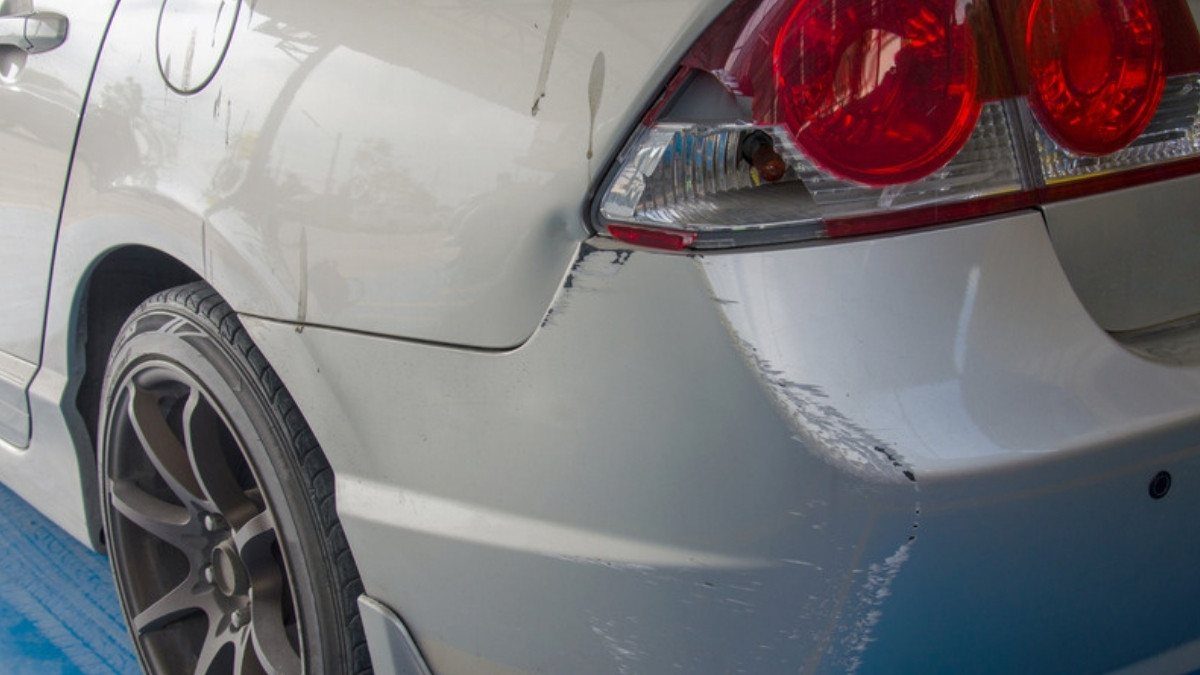
Traffic stops where Dorchester Road meets Old Trolley Road, and the pickup behind you does not. Frost Law Group builds claims like that one on small details such as brake lights, phone records and following distance. Officers recorded 53 collisions of all types at that intersection in 2024. Dorchester Road at Ladson Road followed with 49, the third highest count among Dorchester County intersections.
Followed Too Closely appeared 408 times on Dorchester County reports that year. None of those listings came from fatal or serious injury collisions, but 58 came from collisions that injured someone. Improper Lane Usage or Change appeared 415 times, with 3 listings from fatal collisions. Across the county, collisions peaked in the 3 PM to 6 PM window, with 972 in 2024.
Following Distance Rules in Section 56-5-1930
Under Section 56-5-1930, no driver may follow another vehicle more closely than reasonable and prudent driving allows. The test accounts for speed, traffic and the condition of the highway. No number of car lengths or seconds appears in the statute. A rule of thumb such as three seconds is a safety habit, not the legal standard.
Proof comes from damage to both bumpers, statements about braking and phone records when distraction is an issue. Statewide, officers named Distracted or Inattention as the primary contributing factor in 9,293 collisions in 2024. That is a primary-factor count, and officers can list up to four more factors on each report.
Sideswipe and Merge Crashes on Main Street
US 17A is Main Street in Summerville. SCDOT estimated 33,100 vehicles a day there in 2024, between 5th Street North and the Berkeley County line. A sideswipe claim usually turns on who held the lane first. Scrape locations, the turn signal and any camera footage help answer that.
The answer can move fault either way. Frost Law Group handles tractor-trailer wrecks as a separate practice area, because a commercial truck changing lanes brings its own evidence. Federal and state motor carrier rules can then apply alongside the traffic code.
Is the Driver in Back Always to Blame for a Rear-End Crash?
Section 56-5-1930 does not make the rear driver automatically responsible. It sets a reasonableness standard, and comparative fault lets a jury weigh the lead driver's conduct too. A driver who cuts in and brakes hard may share the blame.
So may a driver who stops in a travel lane for no traffic reason. The rear driver's insurer may look for those facts too, which is why car accident attorneys in Summerville check for them early.
How South Carolina Fault Rules Shape a Summerville Car Wreck Attorney's Case
Many drivers believe that any share of the blame ends an injury claim. South Carolina does not follow that rule. The South Carolina Supreme Court stated the modern test in Nelson v. Concrete Supply Co., a 1991 decision. An injured person may recover if his or her negligence is not greater than the defendant's.
Comparative negligence means the jury compares each person's carelessness and assigns each a share. Frost Law Group can prepare fault evidence with a jury's questions in mind. Until August 2025, Tara L. Frost served Dorchester County as a Magistrate Judge. Presiding over cases showed her how evidence, preparation and credibility hold up when fault is disputed.
Nobody can promise how a jury will divide fault. The split in any case depends on proof an attorney has to test.
Sharing Blame Under Modified Comparative Negligence
Modified comparative negligence works this way. The jury sets your total damages and assigns a share of fault to each party. It then reduces your award by your own share. If your share is exactly half, you can still recover a reduced amount.
Once your share passes half, you recover nothing. Suppose a driver glanced at a phone just before a speeding car ran a red light on Bacons Bridge Road. The jury could assign that driver some fault and still hold the speeding driver mostly responsible.
Multi-Car Wrecks After Act 42 Took Effect
Chain-reaction crashes on Dorchester Road can involve three or four drivers. Act No. 42 of 2025 changed parts of how the law divides payment among them. Those changes reach only claims that arise or accrue after January 1, 2026. A wreck from 2025 stays under the old rules even if the lawsuit comes in 2026.
Joint and several liability means the injured person can collect the whole award from any one responsible defendant. Section 15-38-15 has limited that rule since July 1, 2005, and Act 42 kept its 50% line. The Act changed whose fault the jury counts and which kinds of conduct still carry full liability.
The 50% Threshold for Each Defendant
Take a three-car pileup at a Summerville traffic light. In both versions of Section 15-38-15, a driver the jury holds under 50% responsible pays just the portion of the damages matching that driver's fault. The older version compared fault among the defendants and the injured person. On claims that arise after January 1, 2026, the jury also weighs wrongdoers who were never sued.
Act 42 removed the old exceptions for grossly negligent conduct and for conduct involving alcohol. Full liability still reaches conduct that was willful, wanton, reckless or intentional, or that involved illegal drug use, sale or possession. A drunk driver no longer owes the full award on the alcohol ground alone, though a jury may still find recklessness. Which version of the statute governs turns on the crash date and the evidence in the file.
Section 61-2-147 adds a separate rule for businesses licensed to sell alcohol. It applies when a verdict runs against both a licensee and a driver charged with DUI. The licensee is then jointly and severally liable for 50% of the plaintiff's actual damages, and the charge, not a conviction, triggers the rule.
Empty Chair Fault for Drivers Outside the Lawsuit
For those newer claims, a defendant can ask the jury to assign fault to someone outside the case. Lawyers call that the empty chair. The deadline for naming that person is 180 days after the lawsuit starts, and a later disclosure needs good cause. The injured person may then add that person as a defendant. A nonparty stays off the verdict form in some situations, such as when the nonparty is immune from suit or acted willfully, wantonly, recklessly or intentionally.
Once car accident attorneys in Summerville identify every driver, owner and employer in a multi-car wreck, an empty chair argument is less likely to arrive as a surprise. That work belongs at the start of the case.
Can the Insurer Blame My Injuries on Not Wearing a Seat Belt?
Section 56-5-6540(C) addresses this directly. A violation of South Carolina's seat belt law is not negligence per se or contributory negligence. The statute also keeps the violation out of evidence in a civil action.
Negligence per se means carelessness the law presumes from breaking a safety statute. Contributory negligence refers to the injured person's own carelessness. In plain terms, the seat belt violation itself stays out of the evidence in a civil injury case.
If an adjuster raises the point anyway, Frost Law Group can answer with the statute's text. How the rule plays out still depends on the injuries, the vehicle and the rest of the proof.
Insurance Coverage a Car Accident Lawyer in Summerville Can Pursue

Whose policy pays after a Summerville wreck? In an at-fault state, the first source is the liability coverage of the driver who caused the crash. Section 38-77-140 sets the bodily injury floor at $25,000 for one person and $50,000 for one accident. Property damage coverage starts at $25,000, so the minimum reads 25/50/25.
The South Carolina Department of Insurance explains that every driver must also carry uninsured motorist coverage at those same amounts. South Carolina's auto insurance laws mandate no personal injury protection under Section 38-77-144, so the state is not a no-fault state. The list of policies that might apply starts with the at-fault driver's and your own. Which policies respond, and in what order, depends on policy language and facts a lawyer checks against the statutes.
The At-Fault Driver's Liability Policy and Its Limits
A policy at the 25/50/25 minimum pays no more than $25,000 for one injured person, whatever the medical bills total. Section 38-77-250 lets the claimant's attorney send the insurer a sworn request for the policy limits. The request goes with the incident report, by the delivery method the statute requires. The insurer must answer under oath within 30 days or provide the declarations page.
That rule reaches personal auto policies and leaves out fleet, umbrella and excess limits. Frost Law Group also handles rideshare collisions, which follow their own statute. If the other driver was logged into the Uber or Lyft app, South Carolina's Transportation Network Company Act sets higher coverage floors. The floor depends on whether the driver was waiting for a request or had already accepted a ride.
Protection Under Your Own Auto Policy
Your own policy can pay even when the other driver's policy cannot. Uninsured motorist coverage is mandatory in South Carolina, insurers must offer underinsured motorist coverage, and medical payments coverage is optional. Frost Law Group can review your declarations page early, since an uninsured or underinsured motorist claim runs against your own insurer. That page lists each coverage on the policy and its limits.
Uninsured Motorist Claims Against Unknown or Uninsured Drivers
Uninsured motorist coverage, known as UM, pays when the at-fault driver has no insurance or nobody can identify the driver. Section 38-77-150 requires it on every policy at the 25/50/25 minimum. Claims that involve an unknown driver carry extra conditions, and South Carolina rewrote those conditions in 2024.
Physical Contact, a Witness or a Recording
Since May 20, 2024, Section 38-77-170 has offered three ways to support a UM claim against an unknown driver. First, the unknown vehicle made physical contact. Second, someone other than the insured car's owner or driver saw the crash and signs an affidavit. Third, the insured has a recording showing the unknown vehicle caused the harm.
If the insured cannot obtain an affidavit, the statute allows a request for a court-ordered deposition of the witness. Frost Law Group handles hit-and-run claims under the rewritten section. The pre-2024 version offered no recording route at all, while dashcam or store video can now meet this condition by itself.
Timely Police Reports and Efforts to Identify the Driver
The same section requires the insured, or someone on the insured's behalf, to report the crash to police within a reasonable time, given all the circumstances. It sets no fixed number of hours. The insured also cannot have been careless in failing to learn who the other driver was at the time. Both conditions apply even when a recording exists.
Under Section 56-5-1210, a driver in a crash that hurts someone has a duty to stop and render reasonable aid. Leaving becomes a felony when someone suffers great bodily injury or dies.
Underinsured Motorist Coverage and Stacking Between Policies
Underinsured motorist coverage, known as UIM, pays when your damages run past the other driver's liability limits. Section 38-77-160 makes insurers offer it, up to your own liability limits, though buying it is optional. The same section bars a policy term that requires the UIM insurer's consent before you settle with the at-fault driver. The paperwork from when you bought the policy matters here.
Under Section 38-77-350, a signed offer form creates a conclusive presumption that you made an informed, knowing choice about optional coverage. An unreturned form works the other way. Without a signed form back in 30 days, the insurer had to add UM and UIM matching the liability limits.
Stacking means adding UIM coverage from more than one vehicle, and Section 38-77-160 limits the amount. In a 1998 opinion, Concrete Services, Inc. v. United States Fidelity & Guaranty Co., the Supreme Court limited stacking to Class I insureds. Class I insureds are the named insured, a spouse and relatives in the household, while permissive drivers and guests are Class II. Stacking turns on policy facts, so car accident attorneys in Summerville read every declarations page before counting on it.
Optional Medical Payments Coverage
Medical payments coverage, or med pay, is optional in South Carolina. When an insurer sells it, Section 38-77-144 bars any assignment or subrogation of that coverage and any setoff. Subrogation is an insurer's right to recover its payment from the at-fault side, and the statute generally bars it for med pay. A lawyer checks how the rule applies to a given policy.
Section 38-77-260 adds a protection for benefits paid under your own policy. The insurer cannot have you sign a release or a deduction agreement until it delivers a disclosure statement. At least three days must then pass. That pause gives you time to show the papers to a lawyer.
Can the Other Insurer Delay My Car Repairs Until the Injury Claim Ends?
Section 38-77-330 says no. An insurer may not deny or delay a property damage claim because an injury claim from the same crash is pending. When liability and the amount are undisputed, payment is due immediately.
The Director of Insurance may assess 8% interest on payments an insurer delays without need. If you carry collision coverage, which the Department of Insurance lists as optional, your own policy can pay for the physical damage to your car. The vehicle claim can move on its own track, so the injury claim need not hold up your repairs.
Damages a Summerville Auto Crash Attorney Can Seek Under South Carolina Law

The first step in a damages review is gathering every bill, pay record and repair estimate the wreck produced. For some patients, the first bill comes from the 24-hour emergency room at HCA Healthcare Summerville Hospital. Frost Law Group builds the claim from those records, one category at a time. For scale, SCDPS put the economic loss from Dorchester County collisions in 2024 at $169,239,900, using the formula in its Fact Book.
The Department of Insurance describes bodily injury claims as including medical expenses, lost wages, and pain and suffering. No lawyer can promise what a claim is worth. The injuries, the coverage in play and the proof decide what a claim may bring.
Medical Bills, Lost Pay and Other Economic Losses
Economic damages are losses you can add up with a receipt or a pay stub. They can include medical bills, wages you missed and the cost of repairing or replacing your car. When a treating physician documents care you will need later, that future care belongs in the claim too. Proof comes from billing records, employer letters, tax returns and the physician's notes.
Repayment Claims From Medicaid, Medicare and Health Plans
When Medicaid pays for crash care, Section 43-7-420 lets the state recover those payments from the at-fault side. That right runs only up to what Medicaid paid. If the patient has a lawyer, the South Carolina Department of Health and Human Services may cut that claim by 25%.
Frost Law Group can account for each repayment claim, including any health plan's, before money goes out. Medicare's payments are conditional under the federal Medicare Secondary Payer statute, and a settlement or award has to repay them.
Vehicle Repairs and the 75% Total Loss Line
For title purposes, Section 56-19-480(G) sets a 75% line for calling a vehicle a total loss. A car crosses it when repair costs, counting parts and reasonable labor, equal or exceed 75% of its fair market value. With an insurer involved, the statute measures that value as of the date immediately before the crash. The rule does not apply to vehicles worth $2,000 or less or to antique vehicles.
Pain and Suffering Damages in Car Wreck Claims
Noneconomic damages cover harm without a price tag, such as physical pain and the ways an injury limits daily life. South Carolina's statutory cap on pain-and-suffering damages sits in the medical malpractice statute, Section 15-32-220. Juries decide these damages from the testimony of the injured person, family members and treating physicians. The amount in any case depends on the injury, the recovery and how well the records document daily limits.
Punitive Damages When a Driver Acted Recklessly
Punitive damages punish conduct rather than repay a loss. Under Section 15-32-520, they require clear and convincing evidence of willful, wanton or reckless conduct. Section 15-32-530 generally caps them at the greater of three times the compensatory damages or $500,000, adjusted annually for inflation. Compensatory damages are the damages that repay actual losses.
The cap falls away when the defendant intended harm and caused it, or has a felony conviction or plea from the same conduct. It also falls away when alcohol, or drugs other than lawfully prescribed ones, substantially impaired the driver's judgment. A jury decides whether to award punitive damages, and the trial court decides whether a cap exception applies. No one can promise them in advance.
Permanent and Life-Changing Injuries From a Crash
Some wrecks cause injuries that do not heal, such as spinal cord damage, traumatic brain injury or the loss of a limb. Patients with the most serious injuries may go to a trauma center in Charleston County. MUSC is an Adult Level I trauma center and South Carolina's only Pediatric Level I center. Trident Medical Center in North Charleston is an Adult Level II center.
Frost Law Group handles catastrophic injuries from car wrecks as a distinct kind of case. Car accident attorneys in Summerville build those files with the treating physicians who will explain lifetime care.
Reports and Deadlines Car Accident Attorneys in Summerville Track

The FR-10 is the insurance verification form an officer delivers to each driver or owner after a qualifying crash. Under Section 56-9-350, the driver or owner returns the completed, verified form to SCDMV within 15 days after the officer hands it over. Frost Law Group can check whether the form went back on time. Failing to return it is prima facie evidence that the vehicle carried no insurance.
The county where the crash happened matters as well. Parts of the Town of Summerville lie in Dorchester, Berkeley and Charleston counties. A wreck near a county line may involve a different sheriff's office or Highway Patrol post. Within Highway Patrol Troop Six, Post A covers Berkeley and Charleston counties, while Post B covers Colleton and Dorchester counties.
Berkeley County's most crash-prone intersection in 2024 was I-26 at College Park Road, with 113 collisions. That interchange, Exit 203, sits in Berkeley County, so a crash there falls outside Dorchester County.
Crash Paperwork South Carolina Law Requires
Beyond the FR-10, South Carolina puts two more duties on drivers after an injury crash. The first is an immediate call to police. The second is a written report when no officer investigated.
A third step, ordering the full report from SCDMV, is optional but gives a lawyer the officer's narrative and diagram. All three leave records that a claim can draw on later.
Calling Police From the Scene Under Section 56-5-1260
Anyone driving in a crash that hurts or kills a person must tell police immediately, by the quickest means available. Inside a municipality such as the Town of Summerville, the call goes to the local police department. Outside a municipality, the driver notifies the county sheriff or the closest Highway Patrol office. In 2024, the Summerville Police Department investigated 1,321 collisions in the Dorchester County part of its jurisdiction.
Form FR-309 When No Officer Investigated
Some crashes end with no officer on the scene. If the crash still caused injury, death or $1,000 or more in property damage, Section 56-5-1270 requires a written report. The driver or owner sends it to SCDMV within 15 days of the crash, with verification of liability insurance.
SCDMV Form FR-309 is the form for that report. Failing to verify insurance on that filing is prima facie evidence that the vehicle had no coverage.
Ordering the Full Collision Report With Form FR-50
SCDMV describes its copy of the collision report as more detailed than what a driver gets at the scene. A copy becomes available only after the agency receives and processes the report. Requests go online, to any SCDMV branch, or by mail on Form FR-50, with a $10 fee per report. For its own reports, the Summerville Police Department on North Cedar Street directs drivers to the CrashDocs website.
Traffic Court Versus the Court of Common Pleas
A ticket from the crash and a lawsuit for your injuries travel through different courts. Summerville Municipal Court, at 200 South Main Street, handles traffic and misdemeanor violations for the Town of Summerville.
The Court of Common Pleas is the civil court within the Circuit Court. In Dorchester County, it sits at the Dorchester County Courthouse, 5200 East Jim Bilton Boulevard, St. George, in the First Judicial Circuit.
Filing Deadlines That Can Close a Car Wreck Claim
A statute of limitations sets the deadline to file a lawsuit, and opening an insurance claim does not meet it. Missing that deadline can end the right to sue, whatever the evidence shows. Frost Law Group handles injury cases across Dorchester County, and the controlling date is one of the first facts a lawyer pins down. Which deadline controls depends on who caused the crash, who suffered the injury and the dates in the file.
The Three-Year Limit in Section 15-3-530
Section 15-3-530 gives most injury claims from a car wreck three years. Under Section 15-3-535, the period runs from when the injured person knew, or by reasonable diligence should have known, of the claim. A wrongful death action also has three years, but that period starts on the date of death. Nothing in Section 15-3-530 stops the clock while an adjuster reviews a claim.
Claims Against Government Drivers and Road Agencies
The South Carolina Tort Claims Act applies when a government driver caused the crash or a defect in a public road played a part. Section 15-78-110 generally allows two years from when the injured person discovered the loss or should have. Three years apply instead only if a verified claim reaches the responsible agency before the lawsuit. Under Section 15-78-80(d), that verified claim must be in the agency's hands within a year of the discovery date.
Section 15-78-120 caps recovery at $300,000 per person and $600,000 per occurrence and allows no punitive damages. Government entities are not liable for highway design. For a defect that a third party caused, the agency is generally liable only after notice. Even then, liability turns on whether it corrected the problem within a reasonable time.
Extra Time for Injured Children Under Section 15-3-40
When the injured person is under 18, Section 15-3-40 generally keeps the years before 18 from counting against the deadline. A child may have extra time as a result. The extension has a hard cap and cannot push the deadline past one year after the child turns 18.
For an older teenager, the ordinary three-year period may already run past that cap, so the extension adds nothing. The statute speaks to the child's own claim. A settlement that pays a child more than $25,000 net needs approval from the circuit court under Section 62-5-433.
Talk to a Summerville Car Accident Lawyer Before You Give a Recorded Statement
The other driver's adjuster may call before you have seen a doctor, asking to record your account. A recorded statement goes into the insurer's file. What you say about pain, speed or where you were looking can come back in a fault argument. Frost Law Group's car accident attorneys in Summerville can review the report and your policy first, or take the call.
Tara L. Frost and Jack C. Frost both trained at the Charleston School of Law, and Jack has called Summerville home since age eight. They practice together from one office. Clients have rated the firm 4.8 stars on Google. Bring a copy of the FR-10, the report number, photos and your declarations page to a free, confidential consultation.
Frost Law Group's office is at 128 Linwood Lane, Summerville, SC 29483. Hours run Monday through Thursday from 9 AM to 5 PM and Friday from 9 AM to 12 PM. Friday afternoon appointments are available on request, and whether to hire the firm stays your decision.
Call (843) 419-6653 today, or send Frost Law Group a message with a short note about the wreck and a good time to reach you.

The attorneys at Frost Law Group
 Tara L. FrostAttorney at Law · Personal injuryTara L. Frost focuses on personal injury, car accident and truck accident claims. A lifelong resident of the tri-county area, she meets clients at the Linwood Lane office in Summerville.
 Jack C. FrostAttorney at Law · Former Summerville police officer and Charleston County Sheriff's Office detectiveJack C. Frost spent fourteen years in law enforcement with the Summerville Police Department and the Charleston County Sheriff's Office before he practiced law.