
Motorcycle Accident Attorneys in Summerville
- Free consultation
- No fee unless we win
- Available 24/7
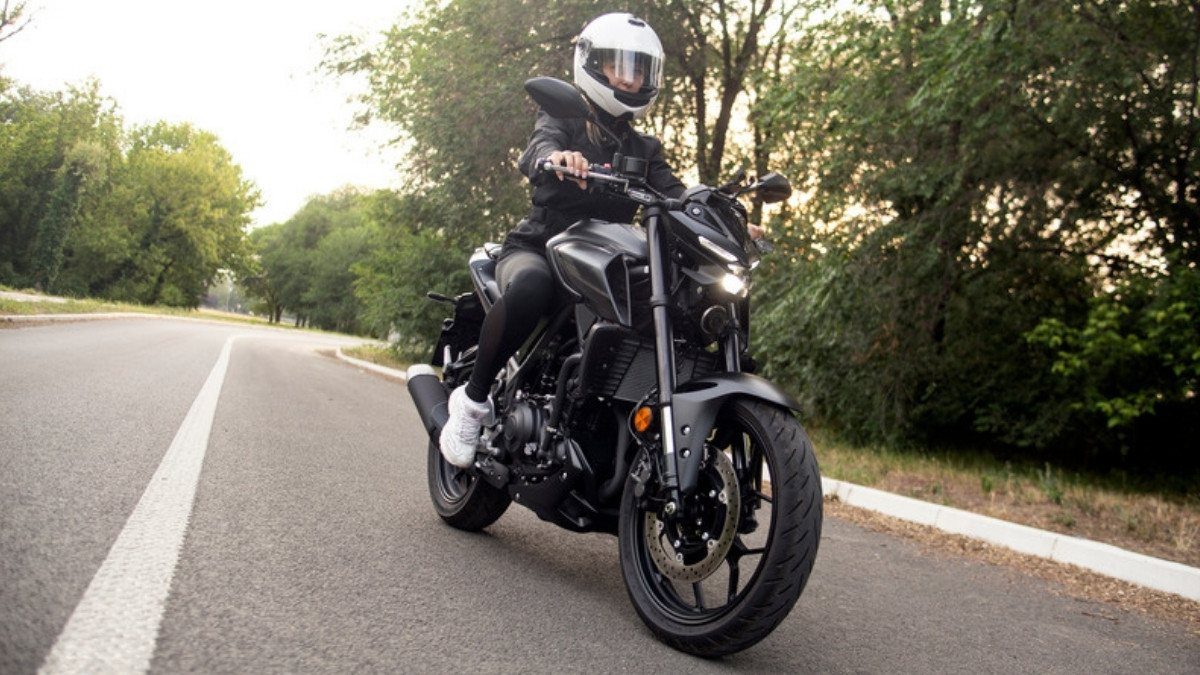
The driver who crossed your path may have told the officer, "I never saw the motorcycle." At Frost Law Group, motorcycle accident attorneys in Summerville treat that sentence as the start of an investigation, not the end of one. South Carolina's traffic statutes ask whether a rider was there to be seen. The answer sits in the scene, the collision report and the bike itself.
A rider holds every right a car driver holds. The rules of the road that bear on fault appear in Chapter 5 of Title 56 in the South Carolina Code of Laws. The filing deadline for most injury suits, set by Section 15-3-530, is three years, yet skid marks and store video can vanish far sooner. Before an adjuster asks for a recorded statement, keep the helmet, jacket and damaged bike as they are. Write down the collision report number too.
A married couple runs Frost Law Group from its office on Linwood Lane. Tara L. Frost grew up in the tri-county area, and Jack C. Frost moved to Summerville at age eight. The two were Summerville High School sweethearts, and years later each took a law degree at the Charleston School of Law. From July 2022 through August 2025, Tara sat as a Dorchester County Magistrate Judge. Her time on the bench showed her how a court weighs credibility, preparation and hard evidence when two accounts conflict.
Call Frost Law Group at (843) 419-6653 for a free, confidential consultation about your motorcycle crash. An attorney answers your questions about the report, the bike and the insurance, not a call center.
Free case review
Tell us what happened. An attorney will explain your options and what to do before you talk to the insurance company.
On this page
- How Motorcycle Accident Attorneys in Summerville Prove a Driver Should Have Seen You
- What a Summerville Motorcycle Crash Lawyer Shows When a Car Turned Left
- Lane Rights and the Lane Splitting Ban a Summerville Biker Injury Lawyer Explains
- Does Skipping a Helmet Hurt a Claim With a Summerville Motorcycle Injury Attorney
- Uninsured Drivers and Hit and Run Crashes a Summerville Motorcycle Lawyer Sees
- Weekend and Evening Ride Risks Summerville Motorcycle Accident Lawyers Track
- Injuries, Bike Damage, and Gear a Summerville Motorcycle Wreck Attorney Values
- Speak With Motorcycle Accident Attorneys in Summerville Who Answer the Phone
How Motorcycle Accident Attorneys in Summerville Prove a Driver Should Have Seen You
South Carolina recorded 2,121 collisions involving a motorcycle in 2024. In crashes with more than one vehicle or road user, officers marked 783 of the 1,389 other units as contributing. That is 56.4%. They marked 560 of the 1,386 motorcycle drivers as contributing, or 40.4%. A single crash can count on both sides. Frost Law Group starts each rider's claim with that question of who contributed and why the driver missed the bike.
Being seen is a legal question as much as a visual one. The duties that bind a turning or merging driver center on what was actually on the road. Their wording does not ask what the driver happened to notice. Section 56-5-2320 asks whether an oncoming vehicle was close enough to pose an immediate hazard. On a road with marked lanes, Section 56-5-1900 forbids a lane change until the driver has checked that it is safe. A motorcyclist carries every right and duty of other drivers under Section 56-5-3610. Applying those duties to one crash takes distances, speeds and timing that a lawyer has to reconstruct.
Headlight, Lamp and Mirror Rules That Keep a Rider Visible
South Carolina puts part of the visibility duty on the rider. Section 56-5-4460 requires a motorcyclist on a public street or highway to ride with the headlight on. That duty runs in daylight too, not only after dark. Under Section 56-5-4490, every motorcycle needs one or two head lamps. Section 56-5-3650(B) adds a rearview mirror giving the rider ample vision to the rear at all times.
A driver's insurer may argue that the bike was dark or hidden behind other traffic. A witness who noticed the headlight can answer that. So can a photo of the switch position taken after the crash, or the lamp assembly itself. That is one reason to leave the bike unrepaired until someone documents those parts.
Photos That Capture the Driver's View
A rider's own photos usually show the bike and the damage. The more telling picture is the view from the driver's seat or stop line. A photo taken from that spot at the same hour, in similar light and traffic, can capture the driver's view. That picture lets a jury compare the driver's account with what the driver could actually see.
Evidence That Rebuts a Driver Who Says the Bike Came Out of Nowhere
A motorcycle does not appear from nowhere on an open road. It was somewhere a second before impact, and the work is proving where. That proof comes from the scene, the paperwork and any recording, and the three sources often check each other. The motorcycle accident attorneys in Summerville at Frost Law Group then compare the result with what the driver told the officer.
Sight Distance Measured at the Crash Scene
Sight distance measures how far a driver could see from the point of decision. That point may be a stop line, a turn lane or the mouth of a driveway. A reconstructionist can measure it at the same hour and note any truck, hedge or sign in the way. If the rider stayed in view for a long stretch, the claim that the bike was invisible loses force.
How the Officer Coded the Collision Report
Police work filled fourteen years of Jack C. Frost's career, first at the Summerville Police Department and then at the Charleston County Sheriff's Office. His roles there included detective, and he retired from that office. Those fourteen years taught him how officers gather evidence and write their reports. The contributing factor codes reflect one officer's judgment. The narrative may quote a driver who says the rider came from nowhere.
SCDMV charges $10 per copy of the full report. Requests can go in online, at a branch, or by mail with Form FR-50.
Video, Witnesses and a Rider's Helmet Camera
Store cameras along a busy corridor can record the few seconds that matter. Someone has to ask for that footage before it disappears. A helmet camera or a following driver's dashcam can show the car's position frame by frame. Witnesses help most when they describe where the bike was, not only the sound of the impact. Frost Law Group can ask nearby businesses to keep their footage.
What a Summerville Motorcycle Crash Lawyer Shows When a Car Turned Left

A rider heads down Dorchester Road on the stretch running from Old Trolley Road to the Charleston County line. SCDOT estimated 45,300 vehicles a day on that stretch in 2024. At Old Trolley Road, an oncoming sedan swings left across the rider's lane. The SCDPS Fact Book, working from the route numbers officers entered, counts 53 collisions at that intersection in 2024. Frost Law Group treats a left-turn crash as a timing problem. The measure is where the motorcycle was when the car began its turn.
Section 56-5-2320 governs that turn. The turning driver must yield to any vehicle coming from the opposite direction inside the intersection. The same duty applies to a vehicle so close that it poses an immediate hazard. A left turn into an alley, private road or driveway carries that duty too. The rule looks at where the motorcycle was. Nothing in its wording excuses a driver who failed to notice the bike. Still, a jury applies it through evidence, and South Carolina compares the fault of each person involved.
The Immediate Hazard Question in a Left-Turn Crash
In plain terms, the question is whether the rider was near enough that turning across the lane risked a collision. The statute sets no fixed distance, so the answer comes from the physical record. Gouge marks in the pavement show where the paths met. So do crush damage on the car's side and the car's final position. Frost Law Group handles left-turn motorcycle wrecks as their own case type. The proof in those cases centers on a few seconds of timing.
When a Waiting Van Blocks the Turning Driver's View
In one familiar setup, a van waits in the opposite left-turn lane, facing the turning driver. The van hides the through lane beyond it, and the driver eases out anyway. Section 56-5-2320 contains no exception for a blocked view. The test still asks whether the approaching rider was close enough to make the turn unsafe. Video, witness positions and the lane layout at the intersection show what the driver could and could not see.
Answering the Claim That the Rider Was Speeding
A turning driver's insurer may say the motorcycle was moving too fast to judge. Section 56-5-1520, the reasonable and prudent speed rule, reaches riders through Section 56-5-3610. Speed has to come from evidence, not from a driver's guess. Video frames, the distance the bike slid and crush depth all bear on it. So do witnesses who compare the bike with nearby traffic. If the rider was over the limit, a jury may weigh that against the driver's failure to yield. The fault split depends on proof about both vehicles, and no lawyer can call it in advance.
Green Lights, Arrows and the 120-Second Red Light Rule
Some left-turn wrecks happen at signals, where each driver may insist the light favored them. Section 56-5-970 sets out what each color means. Its wording matters for a driver turning across oncoming traffic. Video and witness accounts can show which phase was lit at impact. A lawyer then holds each driver's account up against the statute, since the signal's color at impact often decides which rule applies.
Turning Left on a Circular Green
A green ball lets a driver turn left unless a sign bars the turn. Section 56-5-970(A)(1) still requires that driver to yield to other vehicles lawfully within the intersection. A green arrow carries its own duty to yield to traffic lawfully using the intersection. So a green light alone does not answer who had the right of way against an oncoming rider.
The 120-Second Rule for a Rider Stopped at a Red Light
Section 56-5-970(C)(5) gives motorcycle and moped drivers, and bicycle riders, a narrow option at a steady red light. After a full and complete stop of 120 seconds, the rider may proceed with due care. From that point, the rider must treat the signal as a stop sign. A driver who says the rider ran the red may not know that rule exists. Video timing can show whether the rider waited the full period and then yielded.
Cars Pulling Out From Side Streets and Parking Lots
Not every crossing crash involves a left turn. Under Section 56-5-2330, a driver at a stop sign must stop first. That driver must then let pass any vehicle whose approach creates an immediate hazard. Section 56-5-2350 reaches a driver leaving a parking lot or private drive. That driver must yield to all vehicles approaching on the road being entered.
Picture a pickup nosing out of a gas station onto Central Avenue, the road SCDOT's Dorchester County counts label S-13. The proof turns on where the truck stopped and what blocked the driver's view. The rider's position in the lane matters too. Under the statute's wording, a driver leaving a lot owes the right of way to approaching traffic, whether or not the driver noticed the bike.
Lane Rights and the Lane Splitting Ban a Summerville Biker Injury Lawyer Explains
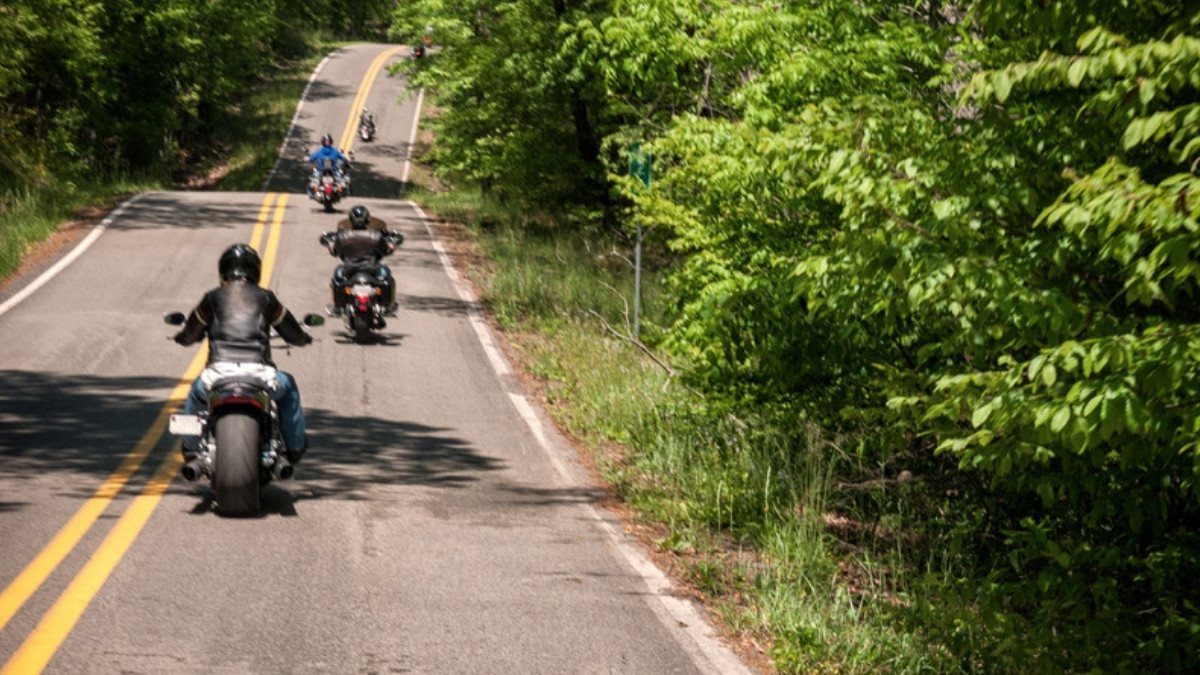
Under Section 56-5-3640(a), a motorcycle may use the whole width of its lane. No driver may squeeze a rider out of that space. The protection drops away when two motorcycles ride side by side in one lane. The same section bars a rider from passing inside the lane of the vehicle being passed. It also bars riding between lanes or between rows of vehicles, and it caps riding at two abreast. On-duty police officers are exempt from the passing and between-lanes limits.
Lane splitting is illegal in South Carolina. An insurer may raise it any time a bike ended up between vehicles. The first questions are where the bike sat in its lane and which vehicle moved. A lane-change crash and a lane-splitting crash can look alike at first glance. Which one happened turns on the damage and any video. How it affects the fault split is a question Frost Law Group's motorcycle accident attorneys in Summerville test against those facts.
Merging Drivers and Section 56-5-1900 on I-26
Where a road has marked lanes, Section 56-5-1900(a) tells each driver to keep to one lane as nearly as practicable. Moving out of that lane is allowed only after the driver has first confirmed it can be done safely. Section 56-5-2150 adds a turn signal, given continuously for at least the last 100 feet before the move. SCDOT's 2024 counts put I-26 at 89,700 vehicles a day between Exit 199 and Exit 203. Exit 199 is the US 17A interchange at North Main Street. Exit 203 is College Park Road, and SCDOT labels both as Berkeley County.
A driver who drifts into a rider's lane there without signaling or checking may break both rules. Scrape marks along the side of the bike show who moved, and so does video from following traffic. The car's mirror position and turn signal switch can matter as well.
The Rear Approach When a Rider Stops in Traffic
A car that strikes a stopped motorcycle from behind can push the bike into the vehicle ahead. It can also throw the rider to the pavement. Section 56-5-1930 forbids following another vehicle more closely than is reasonable and prudent, given speed, traffic and the road. Section 56-5-2150(C) puts a duty on the lead vehicle as well. That driver must signal before stopping or suddenly slowing, when there is a chance to give one. A working brake light is one way a rider gives that signal, so its condition after the crash matters. Rear fender damage and the height of marks on the car's bumper help show whether the driver behind was watching.
Group Rides and Passengers on the Back Seat
Group rides bring their own rules. Section 56-5-3640(d) allows no more than two motorcycles abreast in a single lane. A passenger may ride only on a motorcycle designed for more than one person. The passenger sits on a seat built for two or on a seat firmly attached at the rear or side, under Section 56-5-3630. Seated astride, the passenger has to reach the footrests with both feet, and Section 56-5-3650(A) requires those footrests. A passenger hurt in a crash may have a claim against any driver or rider whose carelessness caused it. Frost Law Group can review every policy that might cover a passenger, including the operator's own.
Can a Rider Who Was Lane Splitting Still Recover?
Possibly, because South Carolina compares fault instead of barring every rider who broke a rule. The state Supreme Court adopted that approach in Nelson v. Concrete Supply Co., decided in 1991. A rider whose share of fault is no greater than the driver's can still recover. The award then shrinks by the rider's share. Past half, the rider recovers nothing.
Riding between rows of cars breaks Section 56-5-3640(c), and a jury can weigh it. A driver who swerved or changed lanes without looking can still carry the larger share. No lawyer can predict that split before the evidence is complete.
Does Skipping a Helmet Hurt a Claim With a Summerville Motorcycle Injury Attorney

Many riders assume that a missing helmet ends a claim. The helmet statutes do not say so. SCDPS counted 132 motorcyclists killed on the state's roads in 2024, and 75 of them wore a helmet. Fifty-one did not, and helmet use was unknown for six. Among riders with serious injuries, 179 had no helmet and 165 wore one.
Those counts cannot say what a helmet did for any one rider, and helmeted riders still died and suffered serious harm in 2024. An insurer may still raise a missing helmet. Whether it affects fault or damages turns on the injuries, the medical proof and the facts of the crash. A lawyer reviews all three before giving an opinion.
Helmet, Goggle and Windscreen Rules for Riders Under 21
Section 56-5-3660 requires every operator and passenger under 21 to wear a helmet approved by the Department of Public Safety. The helmet needs a neck or chin strap and reflective material on both sides. Section 56-5-3670 adds goggles or a face shield, but only for operators under 21, not passengers. Under Section 56-5-3680, that eye protection rule does not apply when the motorcycle has a windscreen meeting department specifications. Breaking these sections is a misdemeanor under Section 56-5-3700. The penalty is a fine of up to $100 or up to 30 days in jail.
Does a Rider Over 21 Break Any Law by Riding Without a Helmet?
No South Carolina statute requires a helmet for a rider 21 or older. Section 56-5-3660 reaches only operators and passengers under 21. The goggle rule in Section 56-5-3670 reaches only operators under 21. A rider 21 or older who goes bareheaded commits no helmet violation. That does not stop an adjuster from asking about the helmet in a recorded statement. A lawyer can help a rider prepare for that question before giving any statement.
What the Helmet Sections Leave Unsaid About Civil Claims
South Carolina's seat belt law contains a sentence that keeps a belt violation out of civil cases. That sentence is Section 56-5-6540(C). The helmet sections, 56-5-3660 through 56-5-3700, contain no matching sentence. That silence does not settle the question in either direction.
When an insurer brings up a helmet, Frost Law Group can separate the injuries by body part. A helmet has nothing to do with a shattered ankle or road rash on the arms. The treating physicians' records and testimony carry that proof. The helmet itself is evidence too, since scrapes and dents show where the head struck. Frost Law Group handles helmet disputes in motorcycle injury claims as a separate part of its practice.
Uninsured Drivers and Hit and Run Crashes a Summerville Motorcycle Lawyer Sees
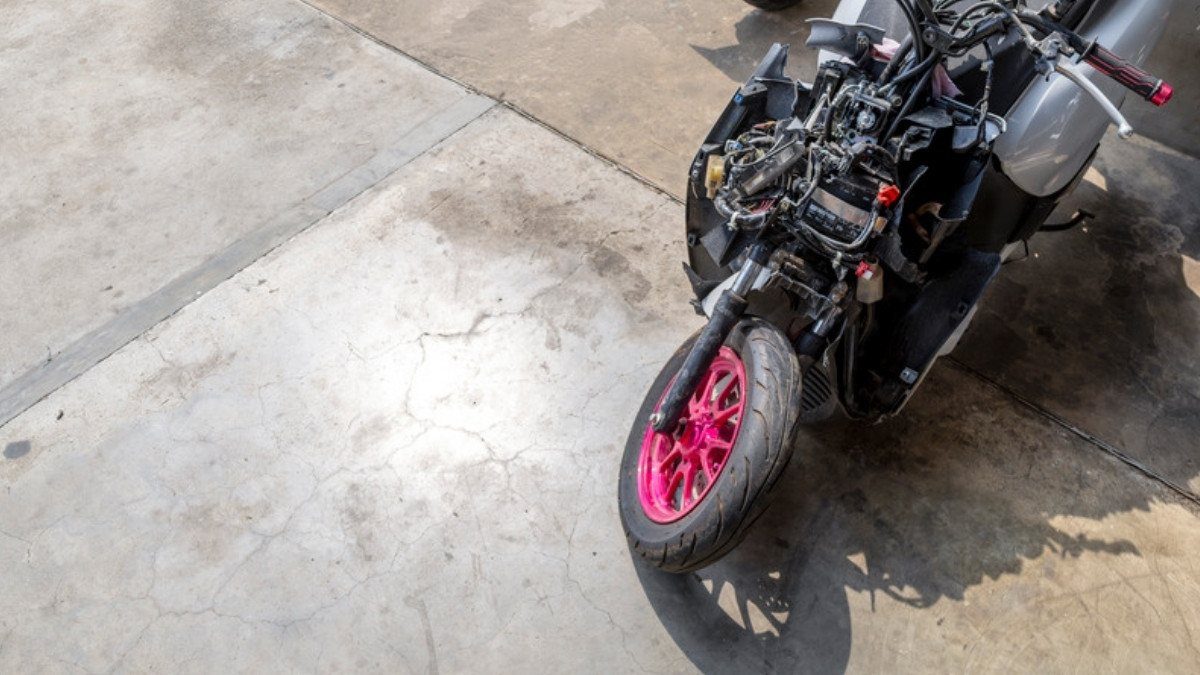
The declarations page for a rider's own policy may matter as much as the other driver's coverage. Sections 56-10-10 and 56-10-20 require every registered motorcycle to carry the same security as a car. Section 38-77-140 fixes the liability floor at 25/50/25. Uninsured motorist coverage is part of every policy under Section 38-77-150. South Carolina had 123,867 registered motorcycles in 2024, according to SCDPS.
A rider's own policy deserves a close read. An uninsured or underinsured claim runs against the rider's own insurer, so the policy wording matters from the start. The definitions in Section 38-77-30 expressly include policies on a motorcycle. Under that chapter, mopeds count as motor vehicles only for uninsured and underinsured coverage. Which policy pays first depends on policy language that a lawyer compares with the statutes.
Coverage When the Driver Had No Policy or Too Little
An at-fault driver who carries no insurance, or only the 25/50/25 minimum, can leave a seriously hurt rider short. At that floor, one injured person can collect at most $25,000 from the driver's policy. The rider's own coverage can fill part of the gap. A policy in the rider's household may help too, depending on its wording. Frost Law Group can list every policy that might apply before settlement talks begin.
Learning the At-Fault Driver's Limits Within 30 Days
A rider's lawyer need not guess how much coverage the other driver carries. Under Section 38-77-250, the rider's attorney can demand a sworn statement of those limits. The written request must itself be sworn and must include the incident report. It goes out by a mail method that proves delivery or by statutory overnight delivery. The insurer then has 30 days to identify itself, each insured and the coverage limits, or to hand over the declarations page. Fleet, umbrella and excess coverage fall outside the rule.
Uninsured Motorist Benefits on the Rider's Own Policy
UM, short for uninsured motorist coverage, steps in when the driver at fault carried no insurance or fled and stays unknown. Every South Carolina auto policy must include it under Section 38-77-150. Its limits must at least match the 25/50/25 minimum. Frost Law Group handles uninsured motorist claims for riders from the first notice to the insurer through settlement talks.
Underinsured Coverage and the Offer Form
UIM, or underinsured motorist coverage, applies when a rider's losses exceed what the at-fault driver's policy can pay. Section 38-77-160 requires every insurer to offer UIM up to the insured's liability limits. The buyer chooses whether to take it. Section 38-77-350(E) sets a default when the insured never returned the offer form. When no signed form comes back within 30 days, the insurer must add UM and UIM matching the policy's liability limits.
Household Auto Policies and Class I Insureds
To stack is to combine UIM limits from more than one vehicle. The Supreme Court's 1998 opinion in Concrete Services, Inc. v. United States Fidelity and Guaranty Co. limited stacking to Class I insureds. That class covers the named insured, the named insured's spouse and relatives who live in the household. A rider living with a parent or spouse may fit that class under that relative's car policy. Whether that policy reaches a motorcycle crash turns on its wording. For that reason, every car policy in the rider's home deserves a look.
Optional Medical Payments Coverage on a Motorcycle Policy
South Carolina does not require personal injury protection, and medical payments coverage is optional. A rider who bought med pay can use it for crash care, subject to the policy's terms. Section 38-77-144 bars any assignment, subrogation or setoff of that coverage. In plain terms, the rider does not have to repay the med pay insurer out of an injury recovery.
Hit and Run Riders Under the 2024 Version of Section 38-77-170
Under Section 38-77-170 as rewritten effective May 20, 2024, a UM claim against an unknown driver needs three things. Police must receive a report of the crash within a reasonable time. The rider must not have been negligent in failing to learn, at the time, who the driver was. At least one proof route also has to apply. Frost Law Group handles hit-and-run cases under the rewritten section. That includes riders forced off the road by a car that never touched them.
Proof Routes When the Driver Leaves the Scene
Physical contact with the unknown vehicle qualifies, and so does a witness other than the rider or the bike's owner. The 2024 rewrite added a third route, a recording. It also added a deposition option for a witness who will not sign. Those additions matter in motorcycle cases. A rider who swerves away from a car can go down without any contact.
A Rider's Helmet Camera as the Recording
The statute now accepts a recording showing that the unknown vehicle caused the injury or damage. A helmet camera can meet that route, and so can a dashcam in a following car or a store camera. Keep the original file with its time stamp, not a copy.
A Witness Affidavit When the Car Never Touched the Bike
Anyone who saw the crash can sign an affidavit, as long as that person was not the owner or driver of the insured vehicle. The affidavit must carry the capitalized false-statement warning the statute prescribes. When the witness refuses to sign, the rider can ask a court to order a deposition of that witness ahead of any lawsuit.
Reporting Duties After the Other Driver Flees
Section 56-5-1260 requires immediate notice to police after a crash that injures or kills anyone. Inside Summerville's town limits, that means the Summerville Police Department. Outside any municipality, the driver reports to the county sheriff or to whichever Highway Patrol office is nearest. The UM statute sets no fixed number of hours, only a reasonable time. A driver who flees an injury crash violates Section 56-5-1210. The offense turns into a felony if the crash causes great bodily injury or a death.
Weekend and Evening Ride Risks Summerville Motorcycle Accident Lawyers Track

Which hours are hardest on South Carolina riders? The SCDPS Traffic Collision Fact Book for 2024 answers with numbers. Saturday led the week with 439 motorcycle collisions and 29 fatal ones. Friday followed with 344 and Sunday with 332. Fatal motorcycle collisions peaked between 6 PM and 9 PM, with 36. Another 27 came between 9 PM and midnight.
Dorchester County recorded 66 motorcyclist victims in 2024. Seven of them died, and 12 more had suspected serious injuries. Those seven riders were among the 37 people killed on Dorchester County roads that year. Two facts anchor any evening crash claim, the light at the scene and the time on the clock.
Riding After Dark Under South Carolina's Lighting Rules
At night, an oncoming driver may see a single headlight and little of the bike behind it. The 2024 numbers show that most fatal motorcycle collisions happened in the dark. South Carolina answers with lighting duties for the rider and the driver alike. Frost Law Group can check both sets of duties against the scene, the vehicles and any video. Lighting evidence can disappear once a shop repairs the bike.
Fatal Motorcycle Crashes in the Dark in 2024
Of the 132 fatal motorcycle collisions in South Carolina in 2024, 74 happened in the dark. Darkness accounted for only 802 of the 2,121 motorcycle collisions that year. Dark conditions with clear or cloudy skies produced 71 fatal collisions out of 768. Daylight in the same weather produced 57 out of 1,287.
Lamps From a Half Hour After Sunset
Section 56-5-4450 requires lighted lamps on every vehicle from a half hour after sunset to a half hour before sunrise. The same duty applies whenever wipers run steadily for rain, sleet or snow. It also applies when conditions keep drivers from clearly seeing people and vehicles 500 feet ahead. A car pulling out with its lamps off an hour after sunset breaks that rule. The sunset time for the crash date, nearby streetlights and video can show how visible the rider was.
Impaired Drivers on Friday and Saturday Nights
The National Highway Traffic Safety Administration's preliminary estimate puts South Carolina's 2024 alcohol-impaired driving deaths at 417. That equals 40% of all traffic deaths in the state, against 30% nationally. Under Section 56-5-2933, a driver commits a separate offense by driving at an alcohol concentration of .08 or higher. Punitive damages aim to punish reckless conduct, not to make up for a loss. They lose their usual ceiling under Section 15-32-530 when alcohol substantially impaired the defendant's judgment. Whether any punitive award is possible, and whether that exception applies, depends on the proof and the court's rulings.
A bar can answer for a crash in another way too. In Tobias v. Sports Club, Inc., a 1998 decision, the Supreme Court kept an injured third party's right to sue the seller. That suit rests on a sale to an intoxicated patron that broke the state's alcohol sales statutes. The drinking adult cannot bring that claim for his own injuries.
For claims arising after January 1, 2026, Section 61-2-147 adds a rule for bars and restaurants. Suppose one verdict names both the licensee and a driver facing a DUI charge. The licensee then answers for half of the actual damages, jointly and severally. That phrase means the injured person may collect that amount from either one. The charge triggers the rule, not a conviction. Receipts and bar tabs from that night can help show where the driver drank.
Secondary Roads and Rides Across County Lines
Statewide, secondary routes carried 673 motorcycle collisions and 38 fatal ones in 2024, more than any other route category. Interstates, by contrast, saw 109 motorcycle collisions. A Lowcountry ride can cross two or three county lines. The Town of Summerville itself reaches into Dorchester, Berkeley and Charleston counties. In Dorchester County, secondary roads carried 1,387 collisions of every kind in 2024, more than any other route type there.
Charleston County recorded 199 motorcyclist victims in 2024, with 8 killed and 45 suspected serious injuries. Berkeley County's count was 114, with 4 killed and 14 suspected serious injuries. Frost Law Group takes on Charleston County motorcycle crashes and Berkeley County motorcycle wrecks as well as Dorchester County cases. The county where the bike went down affects which agency likely investigated. It can also bear on which courthouse hears a lawsuit.
Injuries, Bike Damage, and Gear a Summerville Motorcycle Wreck Attorney Values
HCA Healthcare Summerville Hospital's emergency room, at 295 Midland Parkway, stays open day and night. The hospital also runs a dedicated 10-bed pediatric ER and has 174 beds in all. It is absent from the state trauma list kept by the Department of Public Health. In Charleston, MUSC holds Adult Level I status and is the state's lone Pediatric Level I center. North Charleston is home to Trident Medical Center, an Adult Level II center. Riders with the gravest injuries may go to one of those two instead.
Across South Carolina, collisions involving a motorcycle injured 1,812 people in 2024, and 385 of those people suffered serious injuries. Frost Law Group can build a rider's damages claim item by item, starting from the hospital records. Nobody can put a value on a claim while treatment is still underway. What a claim may bring depends on the injuries, the insurance available and how well the records prove each loss.
Medical Bills, Lost Work and Pain After a Motorcycle Wreck
South Carolina injury law separates losses with a receipt from losses without one. Both kinds belong in a rider's claim when the proof supports them. That proof comes from the physicians, the employer and the rider's own account of daily life. A spouse or riding partner can describe changes the medical chart leaves out, such as rides missed and chores dropped.
Losses Measured in Bills and Pay Stubs
Economic damages include emergency care, surgery, therapy and the wages a rider missed while healing. Future treatment counts as well when the medical proof supports it. Billing records, employer letters and tax returns prove these losses. The total comes from those documents, not from estimates.
Pain, Scarring and Limits on Daily Life
Noneconomic damages cover harm with no invoice. Pain, scarring from road rash and the loss of activities the rider enjoyed all fall here. The pain-and-suffering cap in the Code, Section 15-32-220, is written for medical malpractice claims. A jury sets the amount from testimony, and the figure varies with the injury and the proof.
Repayment Owed to Medicaid and Medicare
Under Section 43-7-420, the state's Medicaid agency can recover what it paid for a rider's crash care from the at-fault side. That right reaches only the amount Medicaid spent. Medicare's payments for injury care are conditional under federal law, so a settlement or award has to pay Medicare back. A lawyer has to identify those claims before any money goes out.
Who Pays for a Damaged Helmet and Riding Jacket?
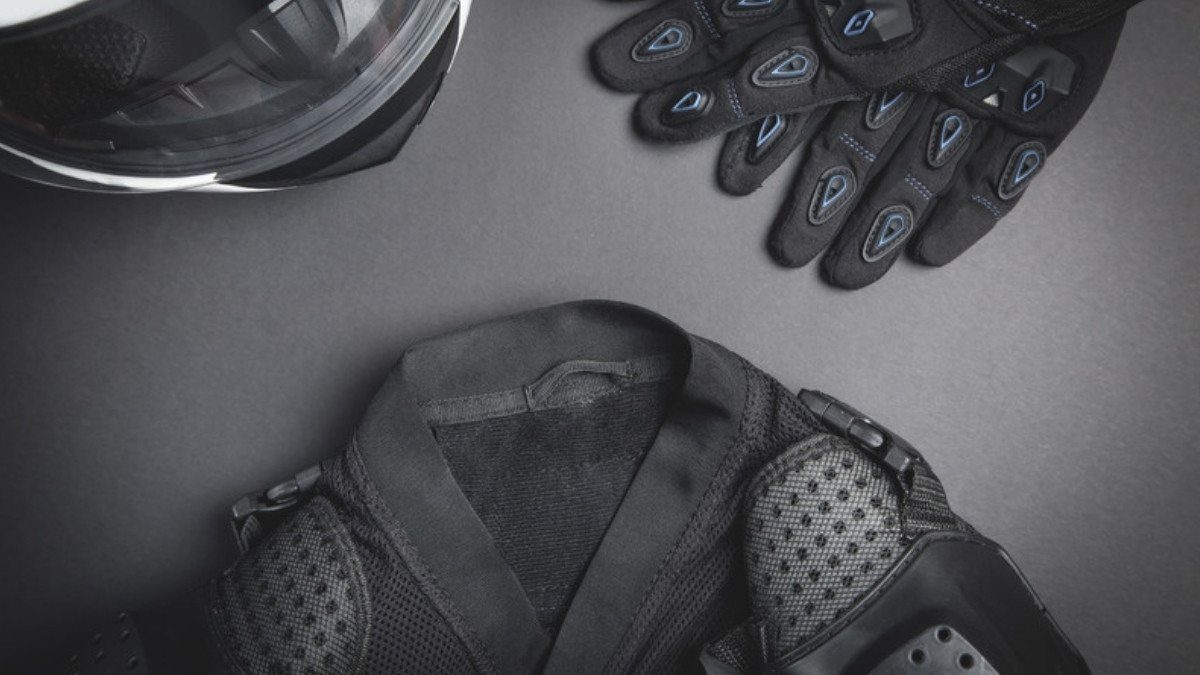
Riding gear destroyed in a crash counts as property loss, like the bike. A helmet, jacket, gloves and boots can go on the list with receipts or replacement prices. Keep every item, though. A cracked helmet or torn jacket also shows where the rider hit the pavement. Scuffs on boots and gloves can show how the rider slid. Photos of the gear taken before anyone replaces it keep that record.
Getting the Motorcycle Repaired or Replaced
Under Section 38-77-330, an open injury claim is no excuse for an insurer to stall the motorcycle claim. If nobody disputes fault or the repair figure, the statute calls for immediate payment. Receipts for custom parts and accessories help prove the bike's value. Before repairs begin, someone should photograph the damaged lamp, the switch and each impact point. Those details may show whether the driver could see the rider. Collision coverage on the rider's own policy is optional, according to the Department of Insurance, and it can pay for damage to the bike.
When a Rider Does Not Survive the Crash
South Carolina's Wrongful Death Act, starting at Section 15-51-10, governs a family's claim after a fatal crash. A personal representative appointed for the estate brings the case for the spouse and children. If there is no spouse or child, the claim benefits the parents, and after them the heirs. A survival claim under Section 15-5-90 carries what the rider personally suffered before dying, including conscious pain.
Deadlines That Apply to Injured Riders
An injured rider usually has three years to sue, under Section 15-3-530. Discovery sets the start date, under the companion rule in Section 15-3-535. Discovery means the day the rider knew of the claim, or would have with reasonable diligence. For a family suing over a death, the three years start on the date the rider died. Section 15-3-40 may give a rider under 18 extra time, but never beyond one year after the 18th birthday.
Claims against a government agency, whether over its driver or a defect in a public road, fall under the Tort Claims Act, which runs its own clock. Suit must start within two years after the rider learned of the loss or should have, under Section 15-78-110. A rider who first sends a verified claim to the agency or political subdivision gets three years instead. A verified claim is a written claim sworn to be true. Under Section 15-78-80(d), it must arrive within one year after the rider learned of the loss or should have. Which deadline controls depends on dates and parties that the motorcycle accident attorneys in Summerville at Frost Law Group can confirm early.
Speak With Motorcycle Accident Attorneys in Summerville Who Answer the Phone
Frost First means calling Frost Law Group first after a crash, even if the only question is what to tell the adjuster. The firm's motorcycle accident attorneys in Summerville can go over the report, the photos and your declarations page with you before you give any statement.
Tara L. Frost and Jack C. Frost work cases side by side. The person who answers your call is a lawyer. Clients give the firm 4.8 stars in reviews on Google. Cassandra Snyder, the firm's legal assistant and paralegal, keeps clients updated as a file moves forward.
Bring the report number, the helmet, pictures of the bike and your insurance card to a free, confidential consultation at the office, 128 Linwood Lane, Summerville, SC 29483. Nothing about the visit commits you to the firm.
Call (843) 419-6653 to reach an attorney, or write to Frost Law Group online and describe the ride, the crash and when to call you back.

The attorneys at Frost Law Group
 Tara L. FrostAttorney at Law · Personal injuryTara L. Frost focuses on personal injury, car accident and truck accident claims. A lifelong resident of the tri-county area, she meets clients at the Linwood Lane office in Summerville.
 Jack C. FrostAttorney at Law · Former Summerville police officer and Charleston County Sheriff's Office detectiveJack C. Frost spent fourteen years in law enforcement with the Summerville Police Department and the Charleston County Sheriff's Office before he practiced law.