
Who Can a Moncks Corner Slip and Fall Lawyer Hold Liable for Your Fall?
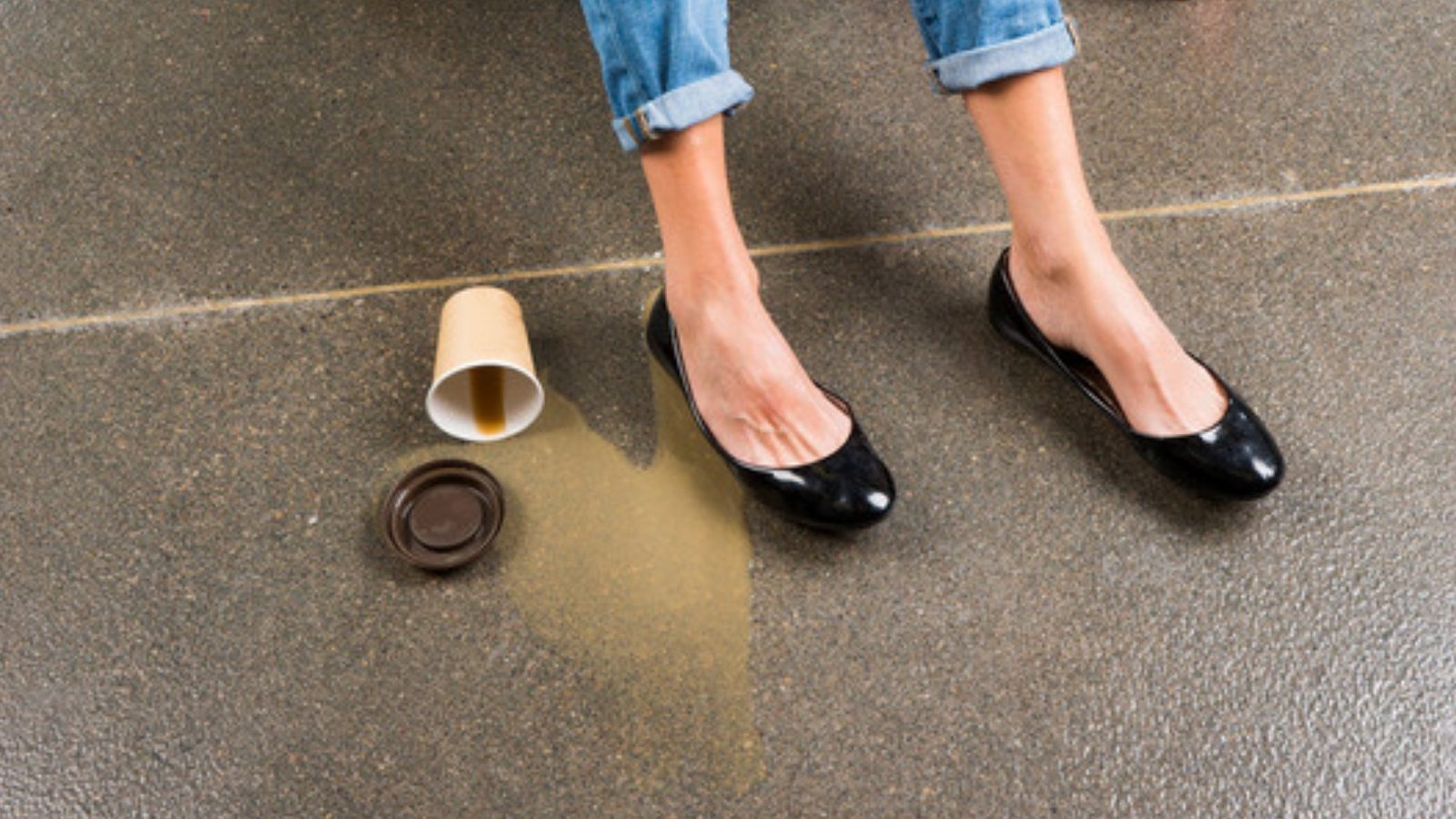
A Moncks Corner slip and fall lawyer can hold liable whoever controlled the floor, stairs, or walkway where you fell and knew, or should have known, about the hazard. That is usually a store, a landlord, or a cleaning contractor. When the town, Berkeley County, or the state owns the property, the South Carolina Tort Claims Act changes the rules.
Frost Law Group handles injury claims across Berkeley, Dorchester, and Charleston counties from one office at 128 Linwood Lane in Summerville. The firm is a husband-and-wife team, and both Tara L. Frost and Jack C. Frost graduated from the Charleston School of Law. You work directly with an attorney, not a call center.
If you fell in a store, an apartment complex, or a public building in Moncks Corner, call Frost Law Group at (843) 419-6653 for a free case review. You decide what happens next.
On this page
- How Does South Carolina Decide Who Is Liable for a Fall in Moncks Corner?
- When Is a Moncks Corner Store Liable for a Spill on Its Floor?
- Who Is Responsible for a Fall at a Moncks Corner Apartment or Shopping Center?
- What Changes When the Town, Berkeley County, or the State Owns the Property?
- How a Moncks Corner Slip and Fall Lawyer Handles Shared Fault and Outside Contractors
- Where a Moncks Corner Fall Case Is Treated and Filed
- What to Do in the First Days After a Moncks Corner Fall
- Questions Moncks Corner Fall Victims Ask About Liability
- Talk to a Moncks Corner Slip and Fall Lawyer Before the Video Is Gone
How Does South Carolina Decide Who Is Liable for a Fall in Moncks Corner?
Liability in a fall case starts with one question. Who controlled the spot where you went down? The slip and fall and premises liability team at Frost Law Group asks it first. The answer decides which insurer pays and which rules apply. A grocery aisle on Highway 52, an apartment stairwell, and a sidewalk on Main Street can each belong to a different owner.
South Carolina has no single slip and fall statute. Courts decide these cases under common law negligence, and the owner's duty depends on why you were on the property. Control matters just as much. A tenant store, the shopping center that leases to it, and the company hired to mop its floors can each carry part of the blame.
Your Reason for Being on the Property Sets the Duty
South Carolina recognizes four classes of people who come onto land. The Court of Appeals listed them in Sims v. Giles as adult trespassers, invitees, licensees, and children. Each class is owed a different level of care. A customer and a dinner guest can fall on the same wet step and end up with very different claims. Your status is the first fact a lawyer pins down.
Customers and Public Visitors Are Invitees
An invitee enters at the owner's express or implied invitation. That covers a business visitor shopping in a store and a public invitee visiting a place held open to the public, such as a county office. The owner owes an invitee reasonable care for their safety. That duty reaches hazards the owner knows about and hazards a reasonable inspection would have found.
Social Guests Are Licensees With Narrower Protection
The most common licensee is a social guest, according to the same Sims decision. A host owes a licensee no duty to make the property safe. The host must use reasonable care in activities on the land and warn the guest about concealed dangers the host already knows about. A fall at a friend's house near Rembert C. Dennis Boulevard turns on what the homeowner knew before you arrived.
Open and Obvious Hazards Do Not Always End the Claim
Insurers reach for the open and obvious defense early. Sims v. Giles quoted Restatement (Second) of Torts section 343A, which says an owner is not liable for a danger that was known or obvious to the visitor. The same rule keeps the owner responsible when it should anticipate the harm anyway. Comment f to that section names distraction as a reason to expect a visitor to miss what is obvious. A shopper looking up at a sale display the store built to draw attention can fit that exception.
When Is a Moncks Corner Store Liable for a Spill on Its Floor?
Picture the places people shop, eat, and fill up in Moncks Corner. Grocery aisles, gas station restrooms, and restaurant entryways along Highway 52 and North Live Oak Drive all see spilled drinks and tracked-in rain. South Carolina requires a merchant to keep aisles and passageways in reasonably safe condition, but a merchant is not an insurer of its customers' safety.
The South Carolina Supreme Court confirmed the test in Wintersteen v. Food Lion, Inc., decided in 2001. A shopper slipped on a puddle of clear liquid near a self-service soda fountain with an ice dispenser. She argued the store should answer for a hazard its own setup made likely. The court declined. It held that a storekeeper is liable only if it put the substance on the floor or had actual or constructive notice of it.
Here is the part most online slip and fall articles skip. Some courts elsewhere let a self-service setup stand in for notice, and Wintersteen acknowledged that approach before rejecting it. Your claim needs proof of one of the two routes below. The records a lawyer pulls decide how strong that proof is, so nobody can grade a store claim from the injury alone.
Proof the Store Created the Hazard
The first route skips notice entirely. If an employee created the danger, the store already knew about it. Wintersteen repeats the rule that a plaintiff can win by showing a specific act of the store created the dangerous condition. These situations often fit that route.
- An employee mopped an aisle and set out no wet floor sign.
- A stocker left a pallet, a box, or shrink wrap in a walkway.
- A produce case misted water onto the tile below it.
- A crew waxed or buffed a floor and left it slick where customers walk.
Each one points to something the store's own staff did.
Proof the Store Knew or Should Have Known
The second route is notice. Actual notice means the store knew about the hazard. Constructive notice means the hazard sat there long enough that a reasonable inspection would have found it. Many store cases turn on this route, since a customer usually spilled the liquid, not an employee. Both kinds of notice are proved with the store's own people and records.
Actual Notice From Employees and Earlier Complaints
Actual notice is the cleanest proof. A cashier who saw the spill and kept ringing up groceries gives it to you. So does a customer who told a manager about the puddle ten minutes before you fell. Get the names of witnesses at the scene, because the store controls its own employee list and has no reason to volunteer the helpful ones.
Constructive Notice and How Long the Hazard Sat There
Constructive notice is a question of time. The longer a hazard stayed on the floor, the stronger the argument that a reasonable inspection would have caught it. No statute sets a number of minutes. Two kinds of records usually answer the question, and both can disappear fast.
Surveillance Video Shows the Clock
Store cameras often record the aisle before, during, and after a fall. That footage can show when the spill happened and how many employees walked past it. Many systems overwrite footage on a rolling schedule, so a written preservation request should go out within days. A lawyer can send that request the same week you call.
Sweep Logs and Inspection Records Fill the Gaps
Many grocery and big-box stores keep sweep logs, floor walk sheets, or inspection checklists. Those records show when an employee last checked the aisle where you fell. A long gap in a busy store can support constructive notice. A missing log raises its own question about whether anyone was checking at all.
Who Is Responsible for a Fall at a Moncks Corner Apartment or Shopping Center?
Not every fall happens inside a store. Apartment stairs, parking lots, and sidewalks in front of strip centers produce their own claims, and ownership there is often split. The tenant, the landlord, and a management company can each control a different piece of the same walkway.
For rentals, the South Carolina Residential Landlord and Tenant Act answers part of the question. Section 27-40-440(a)(3) requires a landlord to keep all common areas of the premises in reasonably safe condition. A loose stair tread in a shared stairwell at a complex off Highway 52 is the kind of hazard that statute speaks to.
Commercial property works through the lease. A shopping center lease usually says whether the owner or the tenant maintains the parking lot, the sidewalk, and the storefront entry. That document decides who gets named, and sometimes both do.
What Changes When the Town, Berkeley County, or the State Owns the Property?
Moncks Corner is the Berkeley County seat, so public buildings, town sidewalks, and county property sit close together. ABC News 4 reported in June 2026 that the town won a $1.2 million grant for new sidewalks on Rembert C. Dennis Boulevard and Stony Landing Road. A fall on any of that public ground follows different rules than a fall in a store.
A fall on government property runs through the South Carolina Tort Claims Act. Section 15-78-40 makes a public body liable like a private person, subject to the Act's limits. Section 15-78-60 then carves out dozens of exceptions, and several of them target the places people fall.
Exceptions That Can Block a Claim Against a Public Owner
Section 15-78-60 lists more than 30 situations where a governmental entity is not liable. Three of them come up often in fall claims. Each one sets a different notice rule. The same crack in the concrete can support a strong claim in one place and no claim at all in another. Check which item fits your fall before a claim goes out.
Rain, Ice, and Weather on Public Walkways
Item 8 bars claims for snow or ice and for temporary or natural conditions on a public way caused by weather. The exception drops away when an employee's negligent act caused the snow or ice. A rain puddle on a town sidewalk usually falls inside the exception. A walkway that a county crew hosed down on a freezing morning may not.
Sidewalk and Street Defects Someone Else Caused
Item 15 covers highways, streets, bridges, and other public ways. The public body that maintains the way is not liable for a defect a third party caused. Liability returns when it failed to fix the defect within a reasonable time after actual or constructive notice. A utility trench left uneven or a contractor's debris on a walkway fits that pattern. Complaints to the town or county before your fall become the evidence of notice.
Parks and Playgrounds Require Actual Notice
Item 16 is the strictest of the three. It covers public property used as a park, playground, or open recreation area. The entity is liable there only when it failed to fix a defect within a reasonable time after actual notice. Constructive notice is not enough. A loose boardwalk plank at a county or town park needs proof that someone reported it before you fell.
Deadlines and Caps on Claims Against Public Owners
Public property claims run on a shorter, stricter clock than claims against a store. The Tort Claims Act sets its own filing rules and its own limit on recovery. Put these numbers on a calendar right away.
- Section 15-78-110 requires suit within two years after the loss was or should have been discovered.
- A verified claim filed first under Section 15-78-80 stretches that deadline to three years, and it must be received within one year.
- The public body then has 180 days to allow or deny the claim, and silence counts as a denial.
- Section 15-78-120 caps recovery at $300,000 per person and $600,000 per occurrence, with no punitive damages.
Sometimes nobody knows whether the town, the county, or the state maintains a stretch of sidewalk. Section 15-78-80 lets a verified claim go to the Attorney General when the proper defendant is in doubt. Whether an exception or the cap applies turns on facts a lawyer has to check, starting with who maintains the exact spot.
Where a Moncks Corner Fall Case Is Treated and Filed
Local geography shapes a fall claim from the first hour. Emergency care, the court that would hear a lawsuit, and the magistrate court for small claims all sit inside Moncks Corner.
HCA Healthcare Moncks Corner ER, a part of Trident Hospital, is at 401 North Live Oak Drive and is open 24 hours. The emergency record written there is often the earliest account of how you fell, so check your copy for mistakes. Hip fractures, head injuries, and spinal injuries can become catastrophic injury claims, and a fatal fall becomes a wrongful death claim for the family.
Circuit Court at the Berkeley County Courthouse
A slip and fall lawsuit in Berkeley County is filed in the Court of Common Pleas at the Berkeley County Courthouse, 300-B California Avenue. Berkeley County sits in the Ninth Judicial Circuit with Charleston County. Section 15-3-530(5) gives you three years to sue a private owner for an injury to the person, generally counted from the fall. Filing does not mean trial, and how long a case runs depends on the injuries and the evidence in it.
Magistrate Court for Claims of $7,500 or Less
Smaller falls sometimes belong in magistrate court. Section 22-3-10 gives magistrates civil jurisdiction over injury claims when the damages claimed do not exceed $7,500. Berkeley County's Small Claims North magistrate court sits at 223 North Live Oak Drive in Moncks Corner. A larger claim belongs in circuit court, and which court fits yours depends on bills and lost wages a lawyer can total with you.
What to Do in the First Days After a Moncks Corner Fall
The evidence in a fall case is fragile. Spills get mopped, video gets overwritten, and a cracked sidewalk slab gets patched. The first few days decide what proof still exists when an adjuster starts asking questions.
Each step below ties to a rule covered above. Do what you can, and never let the list delay medical care.
- Get checked the same day at HCA Healthcare Moncks Corner ER or by your own doctor, since a treatment gap invites a causation fight.
- Ask the manager to write an incident report, and photograph it if nobody will hand you a copy.
- Photograph the floor, the lighting, your shoes, and the spot where a wet floor sign should have been.
- Write down the names of employees and customers who saw the hazard, because they can prove actual notice under Wintersteen.
- Send the store a written request to keep its video and sweep logs from the day you fell.
- Note the exact spot of a public sidewalk fall, so a verified claim reaches the right town, county, or state office.
Hold off on a recorded statement to the owner's liability insurer until you know who controlled the floor. That interview tends to focus on your attention and your footwear, which is where a fault percentage comes from.
Questions Moncks Corner Fall Victims Ask About Liability
Here are four questions people ask about liability after a fall in Berkeley County. Each short answer names the rule behind it, so you can check the source yourself. The right answer for your own fall still depends on who owned the property and what the records show.
Can I Sue a Store if There Was No Wet Floor Sign?
A missing sign helps, but it is not the whole case. Under Wintersteen, you still need proof the store created the hazard or had notice of it. A missing sign next to an employee's mop bucket can prove both at once.
Is a Parking Lot Fall a Premises Liability Claim in South Carolina?
Yes. Parking lots, sidewalks, and entryways are part of the premises. The lease usually decides whether the store, the property owner, or a management company answers for them.
What Is the Deadline if My Child Fell on Someone Else's Property?
Section 15-3-40 pauses the clock while a child is under 18. The extension never runs past one year after the child turns 18, so acting sooner is safer. Section 15-78-110 applies the same tolling rule to Tort Claims Act cases.
Does It Matter That I Was Looking at My Phone When I Fell?
It can. The defense will argue distraction raised your share of the fault under Nelson. You still recover if your share is not greater than the defendants' combined share. Your award then drops by your percentage.
Talk to a Moncks Corner Slip and Fall Lawyer Before the Video Is Gone
The proof in a fall case lives in records that do not last. A Moncks Corner slip and fall lawyer at Frost Law Group can identify who controlled the floor and send preservation letters for video and sweep logs. The firm can also check whether a public owner's deadlines apply to you.
Frost Law Group serves Berkeley, Dorchester, and Charleston counties from its office at 128 Linwood Lane in Summerville. Tara L. Frost is a former Dorchester County Magistrate Judge, and Jack C. Frost spent 14 years in law enforcement. Read more about the attorneys at Frost Law Group.
Call Frost First at (843) 419-6653 for a free case review. The firm answers 24/7. You can also send the details of your fall through the contact page and ask for a call back.
Bring what you have. An incident report number, a few photographs, and the names of anyone who saw the hazard are enough to start. No lawyer can promise a result, and prior results do not guarantee a similar outcome.

Written by Tara L. Frost, Attorney at Law · Personal injury. Reviewed by Jack C. Frost.
Sources and further reading
- Sims v. Giles, S.C. Ct. App. Op. No. 3291 (2001)
- Wintersteen v. Food Lion, Inc., S.C. Sup. Ct. Op. No. 25254 (2001)
- S.C. Code § 27-40-440 (landlord duties)
- S.C. Code §§ 15-78-40 to 15-78-120 (Tort Claims Act)
- S.C. Code § 15-38-15, as rewritten by 2025 Act No. 42 (fault shared among several parties)
- S.C. Code §§ 15-3-40 and 15-3-530 (filing deadlines)
- S.C. Code § 22-3-10 (magistrate civil jurisdiction)
- S.C. Judicial Branch, Berkeley County courts
- ABC News 4, Moncks Corner sidewalk grant (June 2026)