
Motorcycle Accident Lawyers in Charleston County
- Free consultation
- No fee unless we win
- Available 24/7
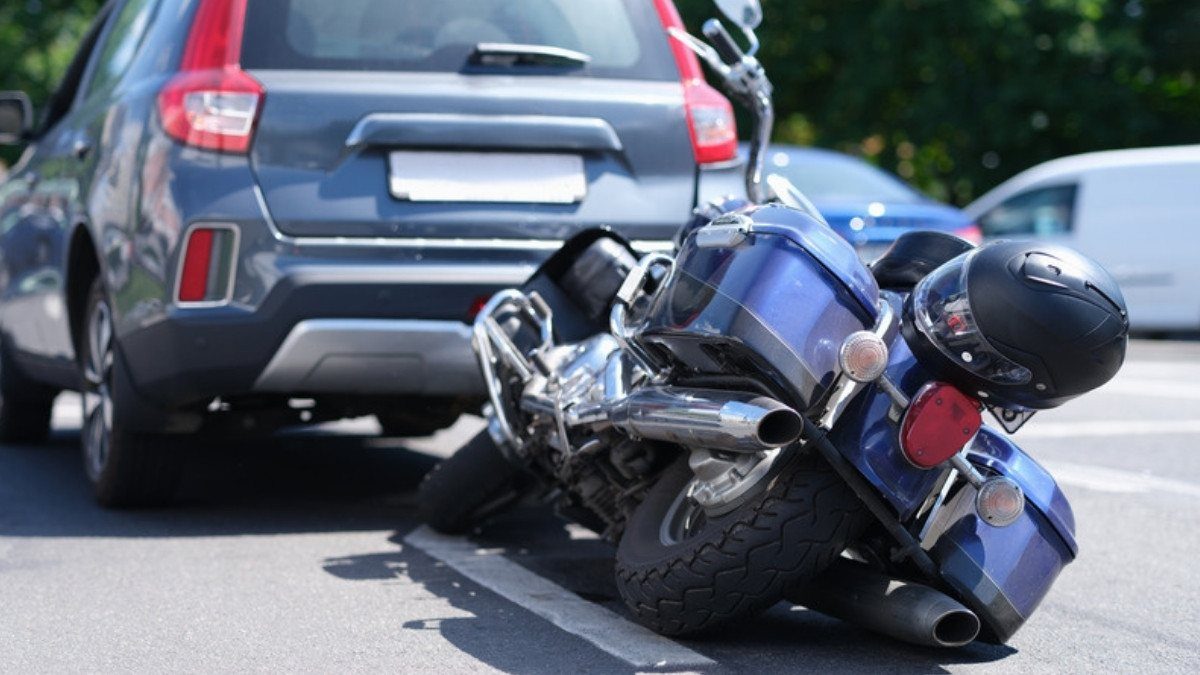
The state's 2024 Traffic Collision Fact Book counted 199 motorcyclists in Charleston County collisions. Fifty-three of them died or suffered suspected serious injuries. The same county tables list 38,234 people riding inside cars, vans and trucks, and only 225 of them had injuries that severe. Motorcycle accident lawyers in Charleston County start from that gap. A rider's claim usually depends on proving a serious injury, and that proof starts with the first medical record written after the crash.
Two Charleston County hospitals appear on the Department of Public Health trauma roster. MUSC is on that list twice, as an Adult Level I center and as the one Pediatric Level I center in South Carolina. In North Charleston, Trident Medical Center holds one of the state's Adult Level II designations. EMS field triage decides where a hurt rider goes, so a rider may reach either one or start at a closer hospital. Ask each hospital for its full chart, not just a discharge summary. South Carolina's general deadline for an injury suit is three years, and a claim against a government agency usually has less.
Spouses Tara L. Frost and Jack C. Frost practice law together as Frost Law Group in Summerville. The firm represents motorcycle riders and passengers hurt in Charleston County and the neighboring counties it serves. Jack's fourteen years in law enforcement ran from the Summerville Police Department to the Charleston County Sheriff's Office, where he retired. He knows from that work how investigations are built and how officers write the reports insurers later rely on.
For a free, confidential consultation about a Charleston County motorcycle crash, call Frost Law Group at (843) 419-6653. A lawyer picks up that line, not a call center operator.
Free case review
Tell us what happened. An attorney will explain your options and what to do before you talk to the insurance company.
On this page
- What Motorcycle Accident Lawyers in Charleston County Document After a Serious Crash
- US 17 and Island Road Riding and the Claims a Charleston County Biker Lawyer Handles
- Helmet Law, Lane Rules, and Fault in a Charleston County Motorcycle Injury Attorney's Case
- Uninsured Drivers and a Charleston County Motorcycle Crash Attorney's Coverage Search
- Filing in the Ninth Circuit at 100 Broad Street for a Charleston County Rider's Lawyer
- Call Motorcycle Accident Lawyers in Charleston County Who Understand the Ride
What Motorcycle Accident Lawyers in Charleston County Document After a Serious Crash
Collisions involving a motorcycle made up about 1.5% of South Carolina's 143,801 reported crashes in 2024. Statewide, those collisions accounted for 134 of the 1,040 people killed and 385 of the 2,618 people seriously injured. Frost Law Group can build a Charleston County motorcycle claim around injury proof.
Documenting a rider's injuries means proving three things. The first is each diagnosis, and the second is that this crash caused it. The third is the care each injury needs now and later, with its cost. That proof comes from the scene, the ambulance, the hospital and every doctor who follows. Value rests on those records and the insurance behind them, so no lawyer can responsibly name a figure early.
Rider Injuries That Each Need Their Own Records
One motorcycle crash can damage skin, bone and the nervous system at the same moment. Different records prove each kind of injury, and they come from different points in the rider's care. Frost Law Group can sort the chart by injury, giving each diagnosis its own line of proof. That sorting also answers an insurer who blames one injury on something other than the crash.
Road Rash and Photos From Each Dressing Change
Road rash is skin torn away by pavement. It ranges from a surface scrape to a deep wound that needs repeated cleaning, and a deep wound may need a skin graft. Photos from each dressing change show how far the wound went and how it healed. A scar photographed long after the crash can look minor to an adjuster who never saw the open wound.
Broken Bones, Surgical Hardware and Operative Reports
A rider thrown from a bike may break a leg, an arm, the pelvis or a collarbone. The operative report lists each plate, rod or screw a surgeon placed, and imaging shows the fracture before and after repair. Hardware sometimes has to come out in a later operation. That future surgery counts in the claim after a treating physician documents the need for it.
Head and Spine Injuries With Symptoms That Surface Later
Some brain and spinal injuries do not show clearly in the emergency department. A rider may first notice dizziness, confusion or tingling in a hand in the days after the crash. Neurology and therapy notes tie those symptoms back to the collision. An insurer may argue that a symptom first reported later came from another cause, so a prompt visit and an unbroken record matter.
Charts From MUSC, Trident and Every Hospital Before Them
The Department of Public Health calls trauma a surgical emergency, and its designated centers keep organized trauma teams that respond promptly. An emergency department without that designation focuses on evaluation, stabilization and transfer. A rider stabilized elsewhere and then moved to MUSC at 171 Ashley Avenue, or to Trident, leaves two charts and a transfer note. Frost Law Group can request each chart, along with the EMS run report. A missing first chart lets an insurer question when an injury began.
What if a Rider Felt Fine at the Scene?
A rider may feel steady enough to skip the ambulance, because pain does not always register right away. The collision report then records that nobody took the rider to a medical facility. Statewide in 2024, officers listed 8,302 people with possible injuries and 1,796 with suspected minor injuries who went untransported. A later emergency visit can still tie an injury to the crash, though the gap gives an insurer an argument. Frost Law Group can start from the first record of symptoms and work forward, and how much any delay matters depends on the medical proof.
US 17 and Island Road Riding and the Claims a Charleston County Biker Lawyer Handles
US 17 enters Charleston County from Colleton County carrying an estimated 17,200 vehicles a day, according to SCDOT's 2024 counts. Between Dobbin Road and Savage Road, the estimate climbs to 50,200. Between Fifteen Mile Landing Road and Tibwin Road it falls to 12,100, and it leaves for Georgetown County at 10,000.
Statewide in 2024, US routes carried 551 motorcycle collisions, 36 of them fatal. SC routes carried 500, and 33 of those were fatal. Frost Law Group handles rider claims from both kinds of road. It also takes on Summerville motorcycle crash claims closer to its office. A claim from a crowded stretch may turn on a lane change or a turn across traffic. One from a quiet stretch may turn on a driver pulling out from a side road.
Side Roads and Driveways Along the Lighter Stretches of US 17
Suppose a pickup waits at a stop sign on Tibwin Road and then pulls onto US 17 as a rider approaches. Section 56-5-2330 required that driver to stop, then yield to any vehicle approaching closely enough to be an immediate hazard. A full stop alone does not satisfy the statute, because the yield duty follows it. The truck's stopping point, the rider's lane position and any witness show how close the motorcycle was.
Maybank Highway, Highway 174 and the Isle of Palms Connector
Island riding in Charleston County often means state routes whose traffic swings widely from one stretch to the next. SC 174 is the road to Edisto Island, and SCDOT's 2024 count put 4,500 vehicles a day on it between the Colleton County line and Peters Point Road. The Isle of Palms Connector, SC 517, carried 29,200 between Rifle Range Road and US 17. Maybank Highway, SC 700, carried 4,200 between its dead end and Bears Bluff Road. Between River Road and Riverland Drive, the same highway carried 36,900.
Along roads like these, drivers enter from shops, lots and homes all day. Section 56-5-2350 requires a driver entering from anywhere other than another road to yield to all vehicles approaching on it. The rule's text looks at the approaching vehicle, not at what the driver noticed. A business camera facing the exit is worth looking for in a crash like that.
Gravel, Spilled Loads and Road Defects
Not every motorcycle crash involves contact with another vehicle. A rider can lose traction on loose gravel, fallen cargo or a broken road surface and go down alone. The report may list no other driver, yet someone may still answer for the hazard. Frost Law Group can ask who put the hazard there, because the answer decides which rules and deadlines apply.
A Load That Fell From a Truck
Section 56-5-4100 bars driving on a public highway with a load that can drop, sift, leak or escape. A 2024 amendment carried the older fastening rule into the same statute, so any load and its covering must be fastened securely. A truck hauling rock, gravel or stone must keep the load six inches below the top of each wall or cover it. The statute expressly preserves a civil claim for damages. Some cargo, including forest products and livestock, falls outside those rules.
A Road Hazard a Public Agency Did Not Fix
SCDOT, counties and towns answer for road conditions under South Carolina's Tort Claims Act, and Section 15-78-60(15) covers a hazard that a third party left behind. The agency answers for it only if it had actual or constructive notice and still left the problem in place past a reasonable time. Constructive notice means the agency would have found the problem with reasonable care. Agencies carry no liability under the Act for how a highway was designed. A suit under the Act ordinarily has two years under Section 15-78-110, running from the day the rider found the loss or reasonably should have. That window stretches to three years only when a verified claim went to the agency first. Section 15-78-80(d) adds a deadline for the claim itself, which the agency has to get within one year after that same day. Which deadline controls turns on the facts, and a lawyer should sort it out early.
Helmet Law, Lane Rules, and Fault in a Charleston County Motorcycle Injury Attorney's Case
Section 56-5-3610 gives a motorcycle rider the same rights and duties as the driver of any other vehicle. That section and the rules around it appear in the Legislature's online text of Title 56, Chapter 5. That chapter covers lane use, helmets and the right of way. An insurer defending a driver may search for any rule the rider broke. Frost Law Group can check each of those rules against the evidence before a rider gives a recorded statement.
Most rider claims turn on three questions, about lane position, gear and the split of fault. The answers come from the physical evidence and the medical proof. A lawyer has to review both before offering any view of who bears what share.
Full Lane Use and the Ban on Lane Splitting
Under Section 56-5-3640, no driver may take away a motorcycle's full use of its lane. Lane splitting is illegal under the same section. The term covers riding in the gap between lanes or between side-by-side lines of vehicles. The section also forbids overtaking a vehicle within its own lane and caps riders at two abreast. A car that drifts into a rider's lane on Ben Sawyer Boulevard may break that rule. Scrape marks, crush damage and video can show where the bike sat in the lane.
Helmet Rules and a Rider's Medical Proof
The helmet mandate in Section 56-5-3660 reaches operators and passengers younger than 21. Past that age, riding bareheaded breaks no helmet statute. The helmet sections also say nothing about whether a missing helmet affects a civil injury claim. A helmet protects only the head and does nothing for a wrist, a knee or the skin of a leg. Frost Law Group also handles helmet law disputes for injured riders, starting with the rider's age on the crash date.
Can a Rider Who Shares Some of the Blame Still Recover?
Often, yes. South Carolina's Supreme Court adopted modified comparative negligence in its 1991 decision in Nelson v. Concrete Supply Co. Under that rule, a rider whose fault does not exceed the defendant's can still recover, minus the rider's percentage. Once the rider's share passes 50%, recovery ends. Suppose a jury finds that a rider on Bees Ferry Road was speeding and that the driver who turned across the lane failed to yield. The jury assigns each a percentage from the evidence, and no lawyer can forecast those numbers at the start.
Some crashes involve more than one careless party, such as a truck that spilled gravel and a driver who cut the rider off. A defendant the jury places below 50% of the fault has usually owed only its own share of the damages since July 1, 2005, under Section 15-38-15. One whose share reaches 50% can still owe everything the jury awards. Act No. 42 of 2025 left that line in place. For claims that arose or accrued after January 1, 2026, it changed whose fault gets counted. A defendant in such a case may ask the jury to weigh the fault of someone who was never sued. With that in mind, Frost Law Group can look for every possible party early.
Uninsured Drivers and a Charleston County Motorcycle Crash Attorney's Coverage Search
Picture a driver who turns across a rider's lane on Rifle Range Road while carrying only South Carolina's minimum policy. Under Section 38-77-140, that minimum is 25/50/25. The first figure caps bodily injury pay for one person at $25,000. The second caps it at $50,000 for everyone hurt, and the third covers $25,000 of property damage. A rider with surgery and a hospital stay may pass that first figure before discharge. A coverage search at Frost Law Group can start with the driver's policy and move outward.
Each policy carries its own wording, limits and exclusions. For motorcycle accident lawyers in Charleston County, those documents come before any estimate. The same search applies in the firm's car crash cases across Charleston County. Which policies apply depends on that wording and on who owned the bike.
A Sworn Answer on the Driver's Coverage
Under Section 38-77-250, a rider's attorney can send the insurer a sworn demand with the incident report attached. The statute calls for statutory overnight delivery or a mailing whose receipt the sender can prove. Within 30 days, the insurer must disclose under oath its own name, the insureds and each known policy's limits, or hand over the declarations page. Excess, umbrella and fleet coverage stay exempt. That answer helps Frost Law Group decide which other policies to pursue.
Uninsured Motorist Claims When a Driver Forces a Rider Down
South Carolina requires uninsured motorist coverage, or UM, on every auto policy under Section 38-77-150, and the chapter's definitions include motorcycle policies. UM steps in when the at-fault driver carried no insurance or remains unknown. The version of Section 38-77-170 in force since May 20, 2024, sets three conditions for an unknown-driver claim. First, police must learn of the crash within whatever time is reasonable given the circumstances. Second, the rider's failure to identify the car and driver on the spot cannot come from the rider's own carelessness. Third, the claim needs contact with the unknown vehicle, an affidavit from a witness other than the rider, or a recording tying that vehicle to the crash. The last two routes matter to a rider who swerved to avoid a car on US 17 and never touched it.
Underinsured Motorist Coverage on the Rider's Own Policy
Underinsured motorist coverage, or UIM, fills the gap when a rider's losses run past what the at-fault driver's policy pays. Section 38-77-160 obliges every auto insurer to offer UIM in amounts reaching the policyholder's liability limits, but no rider has to buy it. A policyholder may never have returned the signed offer form within the 30 days allowed. In that event, Section 38-77-350(E) required the insurer to put UM and UIM on the policy at its liability limits. Frost Law Group can ask for that offer form along with the declarations page.
Car Policies in the Rider's Household
A rider's UIM search can reach beyond the motorcycle's policy. In its 1998 Concrete Services opinion, No. 24773, the Supreme Court confined stacking to Class I insureds. Stacking is the combining of UIM from several vehicles. Class I takes in the named insured, that person's spouse, and any relative living under the same roof. A rider living with a parent may qualify under the parent's car policy, depending on its terms. Section 38-77-160 adds a limit when the rider's own vehicle is in the crash, since extra UM or UIM then reaches only as far as the coverage on that vehicle. So the motorcycle's own UIM limit matters.
When a Rider's UIM Claim Reaches Court
Section 38-77-160 also sets procedure for suing an underinsured driver. Those rules give the UIM insurer a chance to take part in the case. They also limit that insurer's control over a settlement with the driver, which shapes when a rider can resolve the claim.
Serving the UIM Carrier With the Pleadings
No UIM action may go forward unless the rider serves the UIM insurer with copies of the pleadings in the suit that establishes liability. That insurer may then appear and defend in the name of the underinsured driver. Service starts a 30-day window for the insurer to appear, and the statute bars putting proof of service into the record.
Settling With the Driver's Insurer at Policy Limits
Sometimes the driver's insurer tenders, or offers, its full liability limits to settle. At that point, the UIM insurer may step in and control the defense for its own benefit. The same section bars any UIM policy clause that requires the insurer's consent before a rider settles with the at-fault party. Frost Law Group can review both policies before a rider signs any release.
Damages Above a Statutory Cap
Section 38-77-160 ties UIM to damages beyond the at-fault driver's limits and also to damages beyond a cap or limit that a statute imposes. Section 15-78-120 caps recovery against a government entity at $300,000 for any one person. Suppose a town maintenance truck turns across a rider's lane. The statute's wording raises the question whether the rider's UIM reaches the loss above that cap. The policy language and the crash facts decide that question, and a lawyer reviews both.
Filing in the Ninth Circuit at 100 Broad Street for a Charleston County Rider's Lawyer
Which court hears a lawsuit over a Charleston County motorcycle crash? Many of these cases go to the Court of Common Pleas at the Charleston County Courthouse, 100 Broad Street, Charleston, SC 29401. Common Pleas handles civil cases for the circuit court, South Carolina's trial court of general jurisdiction. Charleston and Berkeley counties together form the Ninth Judicial Circuit. Section 22-3-10 limits magistrates to civil claims of $7,500 or less, so serious injury cases rarely fit there.
Tara L. Frost adds a courtroom perspective. Her service as a Dorchester County Magistrate Judge, July 2022 through August 2025, showed her how a courtroom weighs credibility, preparation and physical evidence. Frost Law Group can prepare a rider's medical proof with that perspective in mind. Whether a case settles or reaches a jury depends on the evidence and the parties, and no lawyer can promise either outcome.
Medical Proof in Front of a Charleston County Jury
At trial, the records gathered since the crash become exhibits, and treating physicians can explain what they show. A surgeon can describe the fracture, the hardware and the follow-up care a rider may still need. The defense may point to gaps in treatment or to an earlier injury. A lawyer can prepare for those arguments while the rider is still in care, by keeping track of each appointment and bill.
How Long Does an Injured Rider Have to File?
Three years is the ordinary limit for a South Carolina injury suit, set by Section 15-3-530. The period may begin later if the rider could not reasonably have discovered the claim sooner, a rule found in Section 15-3-535. A government defendant brings in the shorter Tort Claims Act deadlines instead. Section 15-3-40 can pause the clock while a rider is under 18, but the pause alone cannot carry the deadline past the rider's 19th birthday. The controlling date turns on the parties and the facts, which Frost Law Group can review at the outset.
A Fatal Crash and the Estate's Personal Representative
If a rider dies, the Wrongful Death Act lets a court-appointed personal representative bring the family's claim. Under Section 15-51-20, the recovery goes first to a surviving spouse and children. With neither, it passes to the parents, and without parents, to the heirs. The rider's own suffering before death travels in a survival action under Section 15-5-90. For the death claim, the three years in Section 15-3-530 start on the day the rider died. Section 15-51-41 requires a judge's approval of any settlement, whether in probate, circuit or federal court.
Call Motorcycle Accident Lawyers in Charleston County Who Understand the Ride
Riders still in treatment tend to ask the same first questions. They want to know which records to request, which policy pays first and what to tell the adjuster who keeps calling. The motorcycle accident lawyers in Charleston County at Frost Law Group can talk through those questions with you.
Tara L. Frost and Jack C. Frost, once Summerville High School sweethearts, now share one office and one phone line. Each is a Charleston School of Law graduate. Your call goes to one of them, not to an answering service.
Bring your discharge papers, the collision report number and photos of the bike to a free, confidential consultation at 128 Linwood Lane, Summerville, SC 29483. The meeting carries no obligation.
Call (843) 419-6653 or tell the office about your crash online to set a time that works around your treatment.

The attorneys at Frost Law Group
 Tara L. FrostAttorney at Law · Personal injuryTara L. Frost focuses on personal injury, car accident and truck accident claims. A lifelong resident of the tri-county area, she meets clients at the Linwood Lane office in Summerville.
 Jack C. FrostAttorney at Law · Former Summerville police officer and Charleston County Sheriff's Office detectiveJack C. Frost spent fourteen years in law enforcement with the Summerville Police Department and the Charleston County Sheriff's Office before he practiced law.