
Hit and Run Accident Lawyers in Summerville
- Free consultation
- No fee unless we win
- Available 24/7
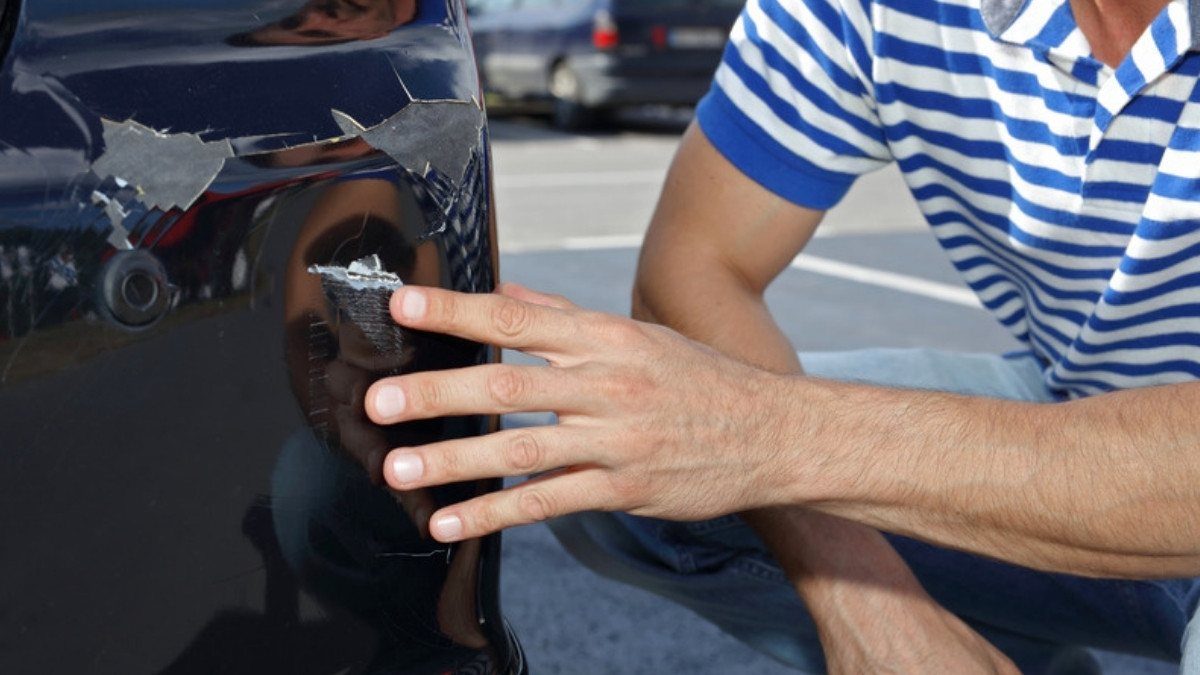
A car clips your bumper on Old Trolley Road, and the driver keeps going before you can read the plate. Now the bills start, and nobody knows whose insurance should pay them. Hit and run accident lawyers in Summerville start with a policy you already own. South Carolina law treats a vehicle as uninsured when nobody knows who owns or drove it.
That rule appears in Section 38-77-30, part of Chapter 77 of Title 38 of the South Carolina Code. It lets uninsured motorist coverage, known as UM, answer for a driver nobody can find. Section 38-77-150 requires UM on every auto policy issued or delivered in the state. Section 38-77-170 then adds conditions, such as a timely police report and proof that the unknown car caused the crash. Start by keeping the report number, photographing the damage, and writing down the name of anyone who stopped.
Tara L. Frost and Jack C. Frost, a married couple, run Frost Law Group in Summerville and represent people hurt in car crashes. That includes crashes where the at-fault driver disappeared. Jack C. Frost is a Summerville High School graduate, and Tara L. Frost has lived in the tri-county area all her life. Their work on a hit and run starts with your own policy and the police file.
Call Frost Law Group at (843) 419-6653 to talk through what happened. The consultation is free and confidential, with no obligation.
Free case review
Tell us what happened. An attorney will explain your options and what to do before you talk to the insurance company.
On this page
- How Hit and Run Accident Lawyers in Summerville Open an Uninsured Motorist Claim
- The Three Proof Routes a Summerville Hit and Run Lawyer Uses Under Section 38-77-170
- Why a Summerville Hit and Run Attorney Asks When and How You Reported the Crash
- Leaving the Scene Penalties and the Civil Claim a Summerville Accident Lawyer Brings
- How a Summerville Hit and Run Crash Attorney Tries to Identify the Missing Driver
- Hit and Run Accident Lawyers in Summerville Can Help You Open Your UM Claim
How Hit and Run Accident Lawyers in Summerville Open an Uninsured Motorist Claim
The declarations page, the summary sheet at the front of your auto policy, lists your uninsured motorist limits in dollars. Frost Law Group can start with that sheet, because it shows the coverage available before anyone argues about fault. Uninsured motorist limits cannot fall below the liability minimums in Section 38-77-140. Those minimums are $25,000 for one person's bodily injury and $50,000 when two or more people suffer bodily injury in one accident. Section 38-77-150 also requires at least $25,000 for damage to your own property, though a policy may exclude the first $200.
Filing against your own carrier does not make the claim friendly. The insurer must pay, up to its limits, what the law entitles you to recover from the uninsured driver. That lets the company dispute fault and damages like any other insurer. Section 38-77-150 even lets it defend in the driver's name if the claim reaches court.
Against your own insurer, hit and run accident lawyers in Summerville still need medical records, repair estimates, and proof of lost pay. How much a claim may bring turns on the policy language and the facts, which a lawyer must review first.
Policies That May Cover You When the Driver Is Unknown
Section 38-77-30 defines who counts as an insured, and the list is broader than the name printed on the policy. It covers the named insured, plus a spouse and relatives living in the same household. It also covers anyone driving the insured car with permission and guests riding in it. Frost Law Group also handles uninsured motorist claims for motorcycle riders, and those policies use the same definitions.
Your Household Policy, Even on Foot or on a Bike
Resident relatives count as insureds "while in a motor vehicle or otherwise," in the statute's words. So a household policy may respond when a fleeing driver hits a family member on foot. The same reasoning may reach a relative riding a bicycle along Central Avenue. The claim still has to meet every condition in Section 38-77-170, including the police report.
Coverage on a Friend's Car When You Ride Along
Guests in the insured vehicle count as insureds under Section 38-77-30. Say a friend drives you home on Bacons Bridge Road and a pickup sideswipes you both, then speeds off. The friend's uninsured motorist coverage may answer for you as well as for the friend, subject to the policy terms.
A Rideshare Trip Cut Short by a Fleeing Driver
A hit and run during an Uber or Lyft trip can bring the rideshare company's insurance into the claim. Section 58-23-1630 requires uninsured motorist coverage at the Section 38-77-150 level whenever the driver is logged into the app. That includes the stretch from accepting a ride to dropping off the last rider. The driver must also tell insurers and investigating officers whether he or she was logged on or on a ride at the time. Frost Law Group represents passengers and drivers in rideshare accident claims.
Added UM Limits and the Vehicle Involved in the Crash
Under Section 38-77-160, insurers must offer higher uninsured motorist limits, up to your liability limits. Buying them is your choice. Once you carry more than the basic limits, the statute ties that extra coverage to the vehicle in the crash. If none of your vehicles was in the crash, as when you were walking, a different limit applies. Coverage then stops at the amount on any one vehicle carrying the extra protection.
Stacking means adding coverage from more than one vehicle. The South Carolina Supreme Court's 1998 Concrete Services decision limits stacking to the named insured, a spouse, and resident relatives. A lawyer reads those rules against your actual declarations pages, because the answer turns on the policy terms and the facts of the crash.
The Three Proof Routes a Summerville Hit and Run Lawyer Uses Under Section 38-77-170
Effective May 20, 2024, Act No. 180 rewrote Section 38-77-170, the statute that controls uninsured motorist claims against unknown drivers. Before the rewrite, the statute had no recording option and no deposition alternative for a witness who refused to sign an affidavit. A claim now needs three things. You, or someone acting on your behalf, must notify police within a reasonable time, and one of three proof routes must apply. Last, your own negligence cannot be the reason the driver went unidentified.
Hit and run accident lawyers in Summerville build the claim around whichever route the evidence supports, and sometimes more than one fits. Tara L. Frost served a little over three years on the Dorchester County magistrate bench, a term that ended in August 2025. That courtroom perspective shapes how Frost Law Group tests a sworn statement or a video before an insurer does. Whether a route holds up depends on the specific evidence, which a lawyer can review with you first.
Route One, Physical Contact With the Fleeing Car
Physical contact is the plainest route. Paint transfer on your door or a crushed quarter panel can show that another car touched yours. So can a piece of the other car's mirror lying in the road. Photograph the damage before repairs, and keep any part of the other vehicle left at the scene. A body shop can also hold replaced parts that still carry the other car's paint, if someone asks in time.
Route Two, a Witness Who Signs an Affidavit
The second route needs a witness other than the owner or driver of your car. That witness signs an affidavit, a written statement sworn under oath that describes the crash. The statute excludes only the owner and the operator of the insured vehicle. So a passenger in your car may qualify, although an insurer can still question a passenger's account.
The Capitalized Warning Printed on Every Affidavit
Section 38-77-170(B) requires the affidavit to display a warning prominently on its face. The warning, in capital letters, says a false statement about the facts may bring criminal penalties. A lawyer checks that the warning appears before the witness signs, because the statute makes it part of the document.
A Rule 27 Deposition When the Witness Will Not Sign
Some witnesses talk at the scene and then refuse to sign anything. If you cannot get the affidavit, the 2024 rewrite offers another path. You may ask a court to order the witness's deposition under the procedures in Rule 27 of the South Carolina Rules of Civil Procedure. A deposition is sworn testimony given in answer to questions, and this one happens before anyone files a lawsuit.
Route Three, a Recording of the Crash
The newest route accepts a recording "obtained electronically or otherwise" that shows the unknown vehicle caused the harm. The statute does not limit the source. Dashcam files, phone video, and doorbell or store security footage can all qualify if they capture the moment. The video has to show the other car causing the injury or damage, not just a car nearby.
Dashcam Video From Your Car or a Passing Driver
Many dashcams record on a loop and overwrite older clips, so copy the file from the memory card the same day. A passing driver's camera may have caught the plate or the impact from a better angle. Under Section 56-5-1270, an officer's written report must list the witnesses the officer interviewed, and those names are the place to start asking.
Security Cameras on Nearby Businesses and Homes
Storefront and doorbell cameras near the crash may have recorded the other car. Some systems keep footage only briefly before recording over it, so the request should go out quickly. A lawyer can send the owner a written request to preserve the file while the claim develops.
Can Your Insurer Say You Should Have Caught the Plate?
The third condition in Section 38-77-170 asks whether you were negligent in failing to identify the other car and driver. Negligence means failing to act with reasonable care, so the question is what a careful person could have done at that moment. A driver dazed by an airbag faces different circumstances than a bystander on the sidewalk. An insurer may still argue that you could have read the plate.
Why a Summerville Hit and Run Attorney Asks When and How You Reported the Crash
Picture a driver who taps your rear bumper at a traffic signal on Main Street and disappears toward Interstate 26. You pull over shaking, check on your passenger, and drive home. By morning your neck hurts, and the first thing a Summerville hit and run attorney asks is whether anyone called police.
Section 38-77-170 requires a police report "within a reasonable time," measured against all the circumstances of the crash. It names no fixed number of hours, such as 24 or 72. A separate law, Section 56-5-1260, requires a driver in a crash that injures or kills someone to notify police immediately. Both rules matter to hit and run accident lawyers in Summerville, because an insurer reviewing the claim may point to any gap between the crash and the call.
Which Agency Takes the Report Under Section 56-5-1260
Inside a municipality, the statute points you to the local police department. In town, that means the Summerville Police Department at 108 North Cedar Street. Outside any municipality, you call the sheriff's office for that county or the closest Highway Patrol office. Highway Patrol Troop Six covers Dorchester, Berkeley, Charleston, Colleton, Beaufort, and Jasper counties. If the driver cannot physically make the report, Section 56-5-1280 puts the duty on another occupant who can.
Paperwork That Follows the Police Report
A hit and run can put three state forms in play, and Frost Law Group can track the two that carry their own 15-day deadlines. The FR-10 verifies insurance, and the FR-309 covers crashes no officer investigated. The FR-50 orders a copy of the finished report. Missing either deadline can cause problems that have nothing to do with the fleeing driver.
Returning the FR-10 Within 15 Days
The investigating officer gives each driver or owner a written insurance verification form, at the scene or as soon as possible afterward. The Highway Patrol calls it the mandatory insurance verification form, or FR-10. Section 56-9-350 requires the owner or driver to return it to SCDMV, the state Department of Motor Vehicles. The 15 days run from the day the officer handed over the form. A form that never comes back is prima facie evidence, meaning proof enough unless someone shows otherwise, that your vehicle had no insurance.
Filing Form FR-309 When No Officer Investigated
Section 56-5-1270 applies when no officer investigated a crash that hurt or killed someone or did $1,000 or more in apparent property damage. The driver or owner must send SCDMV a written report with proof of insurance on Form FR-309. The deadline is 15 days after the crash. Treat that filing as a separate duty from the police report Section 38-77-170 requires.
Ordering the Full Collision Report
SCDMV notes that its official collision report carries more detail than what drivers get at the scene. An official copy is available only after SCDMV receives and processes it. Two routes are common, and the one you use can depend on which agency worked the crash.
Summerville Police Reports Through CrashDocs
The Summerville Police Department directs people to CrashDocs, a third-party website, for copies of its collision reports. Keep the officer's name and the case number from the scene so you can match the right report. Section 56-5-1270 also has the investigating officer send SCDMV a written report, so the state keeps its own copy.
SCDMV Copies by Form FR-50
SCDMV provides official copies online, or through Form FR-50 at any branch office or by mail. The fee is $10 per report. Mail requests need two copies of the form and a check or money order, never cash. Drivers with out-of-state licenses may not be able to use the online system.
Can You Still Report the Crash the Next Morning?
A next-day call does not automatically defeat the claim. The statute weighs the report against all the circumstances. An ambulance ride, a concussion, or a night in the emergency room may explain a delay. Even so, an insurer may argue the wait was unreasonable. How that dispute comes out depends on facts a lawyer has to review, and nobody can promise the answer.
Leaving the Scene Penalties and the Civil Claim a Summerville Accident Lawyer Brings
A conviction for leaving the scene punishes the driver who fled. It is not the same thing as compensation for your losses. Your civil claim is a separate case that seeks money for those losses. It may run against the driver or against your own uninsured motorist coverage.
The criminal charge comes from Section 56-5-1210 of the South Carolina Code, and a prosecutor decides how to pursue it. Frost Law Group pursues the civil claim separately. Still, that case can show hit and run accident lawyers in Summerville the driver's name, the vehicle, and any statement to police.
The Three Penalty Tiers in Section 56-5-1210
When a crash injures or kills someone, each driver involved must stop at the scene or as close as possible. The driver must stay until meeting the duties in Section 56-5-1230. If the injury falls short of great bodily injury, leaving is a misdemeanor. The penalty is 30 days to one year in jail, a fine of $100 to $5,000, or both.
Great bodily injury, under the statute's definition, means injury that creates a substantial risk of death. The definition also covers serious, permanent disfigurement and prolonged loss or impairment of a body part or organ's function. When great bodily injury results, leaving becomes a felony with 30 days to 10 years in prison and a fine of $5,000 to $10,000. When a death results, the felony carries one to 25 years and a fine of $10,000 to $25,000. SCDMV must revoke the license of anyone convicted under the section.
Duties the Driver Skipped by Leaving
Section 56-5-1230 lists what a driver owes after an injury crash. The driver must give a name, address, and vehicle registration number. The driver must also show a license on request and give reasonable help to anyone hurt. That help includes taking the person to a doctor or hospital, or arranging the trip, when the person plainly needs treatment or asks.
A driver who hits a parked, unattended car has a separate duty under Section 56-5-1240. That driver must notify the owner or leave a written notice in the car with names, addresses, and what happened.
Do You Need a Conviction Before Suing the Driver?
No. Once police identify the driver, a civil negligence claim can proceed whether or not the criminal case ends in a conviction. Suppose a driver leaves a cyclist on Ladson Road with a broken leg, and police find him later. The cyclist's claim asks whether the driver's carelessness caused the injury. That is a different question from whether the driver committed a crime.
Section 15-3-530 gives most injury plaintiffs three years to file suit. A wrongful death action runs three years from the date of death. Frost Law Group can check which deadline applies, since the right one depends on the facts.
How a Summerville Hit and Run Crash Attorney Tries to Identify the Missing Driver
South Carolina's 2024 Traffic Collision Fact Book, from the Department of Public Safety, shows how Dorchester County crash work divided among agencies. The Highway Patrol investigated 1,517 collisions there, Summerville Police 1,321, and the Sheriff's Office 590, with other departments handling the rest. Summerville Police also worked 416 collisions in Berkeley County and 21 in Charleston County, since the town reaches into both. Which agency worked your crash decides where the investigation file sits.
The search for the driver starts with that file. Frost Law Group can request the report and reach out to the people it names. A headlight assembly left on Dorchester Road or a neighbor's camera clip may turn an unknown car into a named driver.
What Investigators Can Find After the Driver Leaves
At the Summerville Police Department, the Traffic Safety Unit's officers have training in at-scene and technical collision investigation. Their training also covers collision reconstruction. The Highway Patrol's Troop Nine is its Multi-disciplinary Accident Investigation Team, known as MAIT.
Jack C. Frost's fourteen years of police work took him from the Summerville Police Department to the Charleston County Sheriff's Office, where he worked as a detective. He knows how officers build an investigation and write a report. That background gives the firm no special access to police files, but it does help him spot a lead a report left open.
What a Collision Report Can and Cannot Do at Trial
Section 56-5-1290 limits how crash reports work in court. Reports required by Sections 56-5-1260 through 56-5-1280 may not be evidence of negligence or due care at a damages trial. Officers may still look at them to refresh their memory on the stand. The report still matters because it points to the witnesses, photos, and physical evidence that can prove fault.
When Police Identify the Driver
An arrest or a witness tip can put a name on the driver long after the crash. The claim may then shift from your uninsured motorist coverage to the driver's own liability insurer, if one exists. Frost Law Group also handles drunk driving crash claims. Those claims can overlap with a hit and run when an identified driver faces a DUI charge under Section 56-5-2930.
Asking for the Driver's Policy Limits Under Section 38-77-250
Section 38-77-250 lets a claimant's attorney send the insurer a sworn written request for coverage limits. The incident report goes with it. Within 30 days, the insurer must answer with a sworn statement naming the insurer, each insured, and the limits. It may send the declarations page instead. Fleet, umbrella, and excess policies fall outside that duty.
Underinsured Coverage When the Driver Carries Too Little
Underinsured motorist coverage can pay from your own policy when your damages exceed what the at-fault driver's policy covers. Insurers must offer it under Section 38-77-160, but buying it is optional. Your declarations page shows whether you have it. Whether it applies to your loss is something a lawyer reviews before anyone counts on it.
Suing John Doe When the Driver Stays Unknown
Section 38-77-180 allows a lawsuit against an unknown driver under the name John Doe when the injury came from physical contact. You can serve the suit by delivering the summons and complaint to the clerk of the court where you bring it. Section 38-77-150 requires copies of the pleadings to reach your uninsured motorist carrier. The carrier then has 30 days to appear and may defend in the driver's name.
If the driver's identity surfaces later, the John Doe case does not bar a new action against that person. The statute still describes these suits in terms of physical contact. A claim built on a witness or a recording raises procedural questions a lawyer works through before filing.
Hit and Run Accident Lawyers in Summerville Can Help You Open Your UM Claim
Bring the police report number and your declarations page when you meet with Frost Law Group. Add any photos or video from the scene. Together they show which proof route fits your crash and how much coverage backs the claim.
Tara L. Frost and Jack C. Frost meet clients at 128 Linwood Lane, Summerville, SC 29483. Calls go to an attorney instead of a call center. As hit and run accident lawyers in Summerville, they can explain the reporting rules and the forms in plain terms. They can also tell you what your policy appears to cover and what it leaves out.
Ask for a free, confidential consultation that places you under no obligation. If the insurer has already called you, write down the claim number and the adjuster's name before the meeting.
Call (843) 419-6653 or message the office online to set up a time that works around your treatment.

The attorneys at Frost Law Group
 Tara L. FrostAttorney at Law · Personal injuryTara L. Frost focuses on personal injury, car accident and truck accident claims. A lifelong resident of the tri-county area, she meets clients at the Linwood Lane office in Summerville.
 Jack C. FrostAttorney at Law · Former Summerville police officer and Charleston County Sheriff's Office detectiveJack C. Frost spent fourteen years in law enforcement with the Summerville Police Department and the Charleston County Sheriff's Office before he practiced law.