
Delivery Truck Accident Lawyers in Summerville
- Free consultation
- No fee unless we win
- Available 24/7
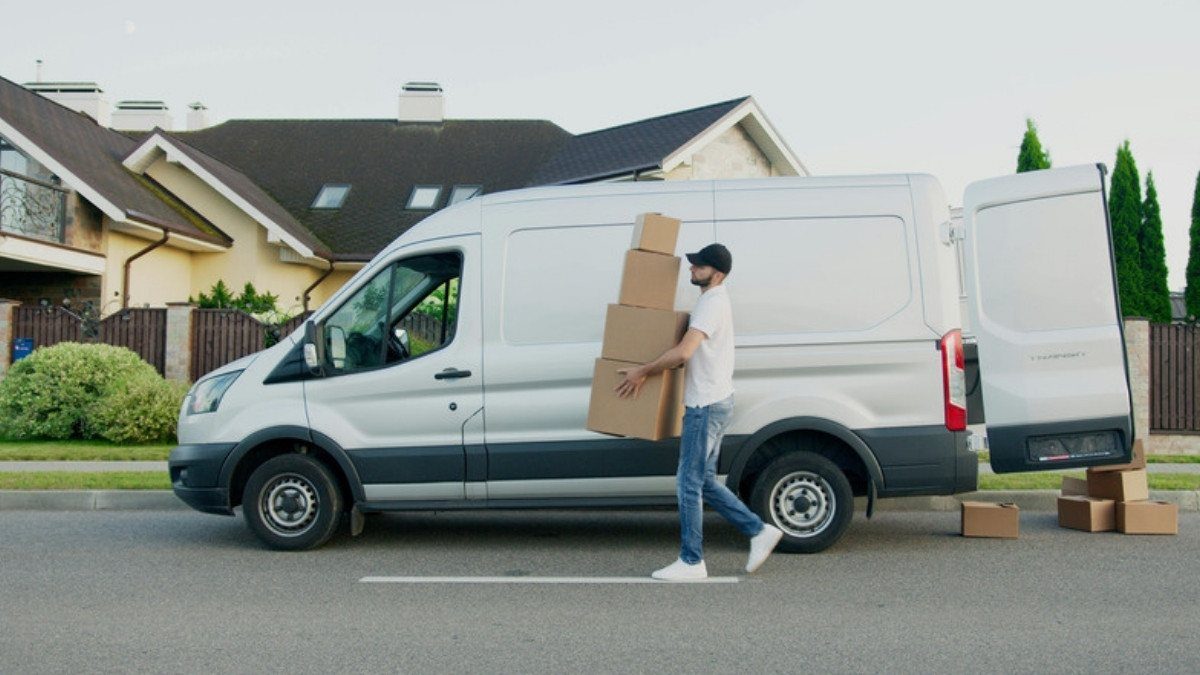
A delivery shift is made up of short trips, each ending at a curb, a driveway or a loading dock. The van that hit you may have backed out of a driveway near Central Avenue or pulled from a curb without a signal. It may have turned across traffic on 5th Street North. Delivery truck accident lawyers in Summerville start where the driver's day started and follow the route to the crash. Two questions come back at every stop. Which rules governed that vehicle, and who employed the person driving it?
The first answer usually starts with the manufacturer's weight rating. A vehicle rated under 10,001 pounds generally falls outside the federal commercial vehicle definition in 49 CFR 390.5, even when a business owns it. For purely in-state trucks, Section 56-5-4240 moves South Carolina's line up to 26,001 pounds. After a crash, photograph both sides of the vehicle and any name or number painted on its doors. Those markings can identify the company that ran the truck, which may differ from the brand on the cargo box.
Frost Law Group represents people hurt in delivery van and box truck crashes from one office in Summerville. Jack C. Frost started in law enforcement with the Summerville Police Department. He went on to serve as a deputy and detective at the Charleston County Sheriff's Office, fourteen years in all. Those years taught him what an investigating officer writes down at a scene and what a report can miss. He practices beside his wife, Tara L. Frost, whose work centers on personal injury and truck accident claims.
Call Frost Law Group at (843) 419-6653 for a free, confidential consultation about the delivery crash. An attorney answers the phone, not a call center.
Free case review
Tell us what happened. An attorney will explain your options and what to do before you talk to the insurance company.
On this page
- Why Delivery Truck Accident Lawyers in Summerville Follow the Driver's Route
- Neighborhood Stops and Backing Crashes a Summerville Delivery Van Lawyer Handles
- Employee or Contractor, the Question a Summerville Box Truck Accident Attorney Asks
- Federal and State Rules a Summerville Commercial Van Accident Lawyer Applies by Weight
- Route Data and Scanner Records a Summerville Delivery Crash Attorney Requests
- Delivery Truck Accident Lawyers in Summerville Ready to Review Your Crash
Why Delivery Truck Accident Lawyers in Summerville Follow the Driver's Route
Every delivery route has a starting lot, a list of stops and an expected order. Lawyers at Frost Law Group can rebuild that route stop by stop. A rebuilt route shows which roads the vehicle used and whether its load began outside South Carolina.
Delivery truck accident lawyers in Summerville use the route to sort public roads from private ground. That line decides which statutes apply and whether the crash reaches state statistics. The Town of Summerville also sits in three counties, so one route can cross a county line between stops.
Depot Yards and Customer Lots off the Public Road
Section 56-5-20 limits most of the driving rules in Chapter 5 of Title 56 to highways. Under Section 56-5-430, a street or highway is a way that is publicly maintained and open to public vehicle travel. A shopping center lot or a warehouse yard often falls outside that definition. Article 9, on crashes and reports, and Article 23, on reckless driving and DUI, still apply everywhere. A driver who injures someone in a lot must still stop, share a name and registration, and report the crash.
Collisions on private land, including parking lots built for public use, sit outside the SCDPS Traffic Collision Fact Book's counts. Sometimes a condition of the property, such as an unlit loading area, helps cause the crash. Frost Law Group handles premises liability claims against owners in those cases. They turn largely on whether the owner knew of the hazard or had reason to know.
Main Roads Between the Depot and the First Stop
Between stops, a delivery vehicle shares main roads with ordinary traffic in the Dorchester County part of town. The Fact Book ranks county roads and intersections by the route numbers officers wrote on their reports. SCDOT's 2024 traffic counts attach street names to those numbers. Two of the county's 2024 entries sit on roads that a local delivery route in Summerville may use.
US 78 and the Dorchester Junction With the Most 2024 Collisions
SCDOT's 2024 inventory carries US 78 through Summerville as 5th Street North. On the Fact Book's list of Dorchester County intersections, US 78 at SC 165 ranked first in 2024 with 56 collisions. A box truck turning left from US 78 into a business driveway must yield to any oncoming vehicle so close that it creates an immediate hazard. That duty comes from Section 56-5-2320.
Central Avenue in the County's 2024 Road Rankings
SCDOT's Dorchester County inventory lists Central Avenue as S-13, a state secondary route. Officers recorded 198 collisions on S-13 in 2024, fifth among county roads in the Fact Book. A van pulling out of a driveway onto Central Avenue must yield to all approaching traffic under Section 56-5-2350.
Does the Part of Summerville Where the Crash Happened Matter?
It can, because the county shapes which agencies may have worked the crash and where their reports sit. The Census Bureau's July 1, 2025, estimates split the town three ways, with 44,724 residents in Dorchester County, 5,798 in Berkeley and 2,655 in Charleston. Summerville police worked crashes in all three counties in 2024, and deputies and state troopers also investigate near town. A lawyer confirms the county and the investigating agency from the report.
Neighborhood Stops and Backing Crashes a Summerville Delivery Van Lawyer Handles
Section 56-5-3810 of the South Carolina Code puts two limits on backing. A driver may back up only when the move is safe and does not interfere with other traffic. The statute also bars backing on the shoulder or roadway of a controlled-access highway outright.
A residential stop can mean reversing from a driveway, turning at a dead end or idling at a curb. A lawyer reads each move against its own statute. Delivery truck accident lawyers in Summerville treat a violation as evidence, not as a verdict. South Carolina divides fault under modified comparative negligence. Someone found more than 50% responsible gets nothing. At 50% or less, the award drops by that person's percentage of fault. Where that line falls in a backing crash depends on facts an attorney must review.
Reversing Out of Driveways and Dead Ends
Two statutes meet at the end of every residential driveway. The backing rule governs the reverse movement itself. Section 56-5-2350 adds a duty for anyone entering a roadway from a place that is not a roadway. That driver must yield to every vehicle approaching on the road. A van reversing from a driveway into a street answers to both rules at once.
Backing Into a Passing Car From a Driveway
Suppose a van backs out of a driveway near Central Avenue into a passing car. The backing statute asks whether the move was safe and free of interference with traffic. The passing car is traffic. Frost Law Group can compare what the van's mirrors and any camera could show with where the car was.
Turning Around at a Curve or a Hill
Section 56-5-2140 allows a turn to head the opposite way only when it can be made in safety without interfering with other traffic. It also bars that turn on a curve or near the crest of a grade where other drivers cannot see the vehicle within 500 feet. A three-point turn on a winding county road outside town can fall under that rule.
Curbside Stops and Double-Parked Vans
Section 56-5-2530 lists places where no one may stop, stand or park. Exceptions cover avoiding conflict with traffic and obeying an officer or a traffic device. Double-parking, meaning a stop beside a vehicle already at the curb, heads the list. The statute also bars standing in front of a driveway or within 20 feet of a crosswalk at an intersection. Beyond the general exceptions, those spots allow only a momentary stop to pick up or drop off passengers, and a package is not a passenger. Section 56-5-610 excludes active loading from the meaning of parking, but that helps only where a ban covers parking alone.
A Rural Mail Exception Private Vans Do Not Share
Subsection (C) lets a federal postal service carrier stop along a rural roadway for frequent short intervals. It covers delivery of mail, parcels and packages, and rural means outside the county's incorporated areas. No private delivery service appears in it. Outside business and residence districts, Section 56-5-2510 also calls for stopping off the roadway when practicable.
Doors, Keys and Parking Brakes at Each Stop
Section 56-5-3822 bars opening a vehicle door unless it is reasonably safe and does not interfere with moving traffic. Before leaving a vehicle unattended, Section 56-5-2570 requires the driver to stop the engine, lock the ignition, remove the key and set the brake. On a grade, the front wheels must also turn to the curb or roadside. A van that rolls away raises the question whether the driver skipped a step.
What if a Delivery Van Hit You While You Were Walking?
Section 56-5-3230 requires every driver to use due care to avoid pedestrians and to sound the horn when necessary. Drivers must also take proper precaution on seeing a child or an obviously confused, incapacitated or intoxicated person. Section 56-5-3835 bars driving on a sidewalk except at a permanent or authorized temporary driveway. A van that backs into someone at a curbside mailbox raises the backing rule and the due-care rule together.
Employee or Contractor, the Question a Summerville Box Truck Accident Attorney Asks
The logo on a delivery truck's cargo box does not settle who employed its driver. Its goods may belong to one company while another owns or leases the truck. The person driving it may work for neither. Under respondeat superior, an employer answers for an employee's wrongful acts within the course and scope of the job. The South Carolina Supreme Court restated that rule in James v. Kelly Trucking Company in 2008.
That liability rests on the employee's conduct and the employment relationship, not on the employer's own fault. Frost Law Group can identify each company and the paperwork linking them before naming anyone in a claim. Delivery truck accident lawyers in Summerville know a contract label does not end the inquiry. A court decides, on the evidence, whether a company answers for a driver.
Federal ID Numbers and the Operating Carrier's Name
The federal marking rule, 49 CFR 390.21T, covers self-propelled commercial vehicles subject to the federal safety regulations. Such a truck must show the operating carrier's legal name or a single trade name, plus its U.S. DOT number. Both sides carry the marking. Its letters must contrast with the background and be readable from 50 feet in daylight while the truck is stationary.
A Store's Brand Painted Beside the Carrier's Name
If another business's name appears on the truck, the operating carrier's name must follow the words "operated by." Its U.S. DOT number goes with it. A box truck painted with a furniture store's name may therefore carry a second line naming the carrier that ran it. Light cargo vans under 10,001 pounds that meet no other federal test carry no such federal marking duty.
Rental Box Trucks and the Agreement Kept in the Cab
A truck rented for 30 days or less may show the rental company's name and U.S. DOT number instead. The rental agreement must then name the renting business and the physical address of its principal place of business. That agreement stays on the truck for the whole rental term. Paperwork in the cab can identify the operator when the paint does not.
Leased Trucks and the Carrier's Exclusive Control
A registered for-hire carrier hauling freight in a truck it does not own generally needs a written lease under 49 CFR 376.11. Section 376.12 says the lease must give the carrier exclusive possession, control and use of the truck, plus complete responsibility for operating it. The same section adds that these terms do not decide whether the owner or driver is an employee or an independent contractor. The lease must also state the carrier's duty to insure for the public's protection, so a lawyer asks for it early.
Negligent Hiring Claims That Survive an Admission of Employment
In James, the defense stipulated that a tractor-trailer driver who ran a red light was negligent and acting within the scope of his job. The Supreme Court held that this stipulation did not bar separate claims for negligent hiring, training, supervision or entrustment. Those claims rest on the employer's own negligence, so the court called them direct rather than derivative. Under Rule 403 of the South Carolina Rules of Evidence, the trial judge decides whether a prior driving record reaches the jury. For a delivery business, the hiring file may matter under that holding.
Who Pays When the Driver Delivers in a Personal Car?
South Carolina's rideshare statute, the TNC Act, builds its insurance tiers around carrying riders. Its $1,000,000 tier covers a prearranged ride, which starts when a driver accepts a rider's request. A package or meal run has no rider, so that tier does not fit it on its face. Coverage then depends on the driver's own policy and any policy the delivery business holds. Section 38-77-140 sets a 25/50/25 liability floor, meaning $25,000 for one person's injuries, $50,000 for everyone hurt in one crash and $25,000 in property damage. Frost Law Group handles these much like other car crash cases, starting with the policies in play.
Federal and State Rules a Summerville Commercial Van Accident Lawyer Applies by Weight
The 2024 Fact Book lists 3,466 commercial vehicles involved in that year's statewide commercial vehicle crashes. Of those, 2,204 were in use to transport property. Those tables cover only crashes where a unit met the truck and bus supplement form's requirements. Many light van crashes may fall outside them.
Sorting a delivery vehicle by weight rating and trip comes before applying any rule. The weight class decides whether federal hours limits, inspection reports and driver standards reached that driver. Delivery truck accident lawyers in Summerville confirm the rating from the vehicle's records, not from its size.
Cargo Vans Rated Under 10,001 Pounds
Under 10,001 pounds, the federal weight test in 49 CFR 390.5 does not reach the van. It can still qualify under another test, such as carrying enough hazardous material to need placards. Otherwise the federal hours limits and inspection reports do not apply to it. The claim rests on South Carolina traffic law and the ordinary duty of care. The backing, stopping and yielding statutes still govern the driver.
Box Trucks Between 10,001 and 26,000 Pounds
A box truck in this band falls short of the commercial driver's license, or CDL, definition in 49 CFR 383.5 unless it carries placarded hazardous materials. Whether the federal safety rules reach it depends on the trip, not the license. A lawyer asks where the load came from and where it was going that day. Shipping papers, bills of lading and route records can answer those questions.
Out-of-State Freight on a Local Final Leg
Under 49 CFR 390.5, interstate commerce includes a trip between two points in one state that is part of a movement beginning or ending elsewhere. Picture appliances trucked in from another state, then loaded onto a local box truck for delivery near Central Avenue. That last leg may count as interstate commerce. If it does, the federal rules follow the truck.
Driver Qualification Standards in Part 391
A driver of a federally covered truck must meet 49 CFR 391.11, subject to listed exceptions. The driver must be at least 21 and able to read and speak English well enough for road signs and official questions. Training or experience must prepare the driver for that type of truck. The driver must also meet the federal physical standards.
Defect Reports on Brakes, Mirrors and Tires
Under 49 CFR 396.11, a driver who finds or hears of a defect reports it in writing when the day's work is done. The report covers parts including the brakes, parking brake, steering, lights, tires and rear vision mirrors. The carrier must fix a listed safety defect before the truck runs again and keep the report three months. A carrier with only one commercial vehicle is exempt. A report on a mirror or parking brake may bear on a backing crash or a van that rolled from a stop.
In-State Routes Exempt Under Section 56-5-4240(B)
Some trucks never leave South Carolina and carry no interstate freight. Under 26,001 pounds, Section 56-5-4240(B) generally exempts them from the federal rules. The exemption does not reach a vehicle built or used for 16 or more passengers, or one with placarded hazardous materials. The statute opens with a carve-out for other laws and SCDPS regulations, which a lawyer checks.
Straight Trucks at 26,001 Pounds and Heavier
A single straight truck rated at 26,001 pounds or more meets the CDL definition in 49 CFR 383.5, so its driver needs a CDL. Section 56-5-4240(A) also applies the federal safety regulations to it on in-state routes, with enforcement assigned to the State Transport Police Division of SCDPS alone. CDL drivers also face the post-crash drug and alcohol testing rules in 49 CFR Part 382 after certain crashes. Frost Law Group treats tractor-trailer wrecks separately, because a trailer adds its own weight rating and can add its own owner.
Route Data and Scanner Records a Summerville Delivery Crash Attorney Requests
What was the driver doing in the minute before the crash? The route's own records may answer that, if the business kept them. Route plans, stop lists, delivery confirmations and location data are all fair requests when they exist. Frost Law Group can send a preservation letter, a written request that the business keep those records.
As a Dorchester County Magistrate Judge until August 2025, Tara L. Frost ruled on evidence from the bench for more than three years. That work taught her how judges and juries compare a time-stamped record with a witness's memory. Delivery truck accident lawyers in Summerville cannot predict what route records will prove. Their value depends on how the business kept them and what a court admits.
Stop Lists, Scanner Timestamps and Location Points
Handheld scanners used to confirm deliveries may record the time and place of each scan. A route plan may show the order of stops assigned to the driver. Location systems in the vehicle may log position and speed between stops. No federal safety rule requires a van under 10,001 pounds to keep any of it, so a lawyer asks what the business actually kept.
Delivery Confirmations Set Against the Crash Time
A confirmation logged at one address shortly before a crash a few streets away shows where the driver had just been. Set beside the crash time on the report, it shows how much time the driver had between stops. A string of confirmations can show the pace of the route that day. A lawyer can ask for them by date and vehicle.
Camera Footage From the Van and the Street
Some delivery vehicles carry forward or rear cameras, and some carry none. Homes along a residential route may have doorbell cameras facing the street. How long that footage lasts before the system records over it depends on each owner's setup. Asking neighbors early can save a clip before it disappears.
Why a Van Under 10,001 Pounds Has No Federal Records Deadline
For a truck under the federal rules, the regulations set minimum periods. Hours records and supporting documents stay at least six months under 49 CFR 395.8(k). Driver defect reports stay three months under 49 CFR 396.11. A van outside the federal definition has no federal minimum at all. Absent a preservation request, its route data lasts only as long as the business's own practice keeps it.
How Do You Get the Police Report for a Delivery Van Crash?
Ask the South Carolina Department of Motor Vehicles for it online, at a branch or by mailing Form FR-50. The form lists a fee of $10 per report. SCDMV can release a copy only once it has the officer's report and has processed it. If no officer investigated a lot crash that hurt someone, the driver or owner has 15 days under Section 56-5-1270 to report it to SCDMV on Form FR-309.
Delivery Truck Accident Lawyers in Summerville Ready to Review Your Crash
A delivery route ends where it began, with the vehicle parked for the night and its data wherever the business stores it. The sooner a preservation letter names that data, the better the chance it still exists. Frost Law Group can send that letter once it knows the vehicle and the date.
At a free, confidential consultation, Frost Law Group's delivery truck accident lawyers in Summerville can go over the report, your photos and what you know about the vehicle. Nobody can promise how a claim will end. An early review can still show which rules the van answered to and who may have employed its driver.
Once Summerville High School sweethearts, Tara L. Frost and Jack C. Frost now practice together at 128 Linwood Lane, Summerville, SC 29483. Monday through Thursday, the doors stay open from 9 AM until 5 PM. On Friday the office shuts at noon, though a caller can ask for an afternoon appointment.
Call (843) 419-6653 with the crash date and street, or describe the crash to Frost Law Group online and list any name you saw on the vehicle.

The attorneys at Frost Law Group
 Tara L. FrostAttorney at Law · Personal injuryTara L. Frost focuses on personal injury, car accident and truck accident claims. A lifelong resident of the tri-county area, she meets clients at the Linwood Lane office in Summerville.
 Jack C. FrostAttorney at Law · Former Summerville police officer and Charleston County Sheriff's Office detectiveJack C. Frost spent fourteen years in law enforcement with the Summerville Police Department and the Charleston County Sheriff's Office before he practiced law.