
What to Do After a Car Accident That Was Not Your Fault
- Free consultation
- No fee unless we win
- Available 24/7
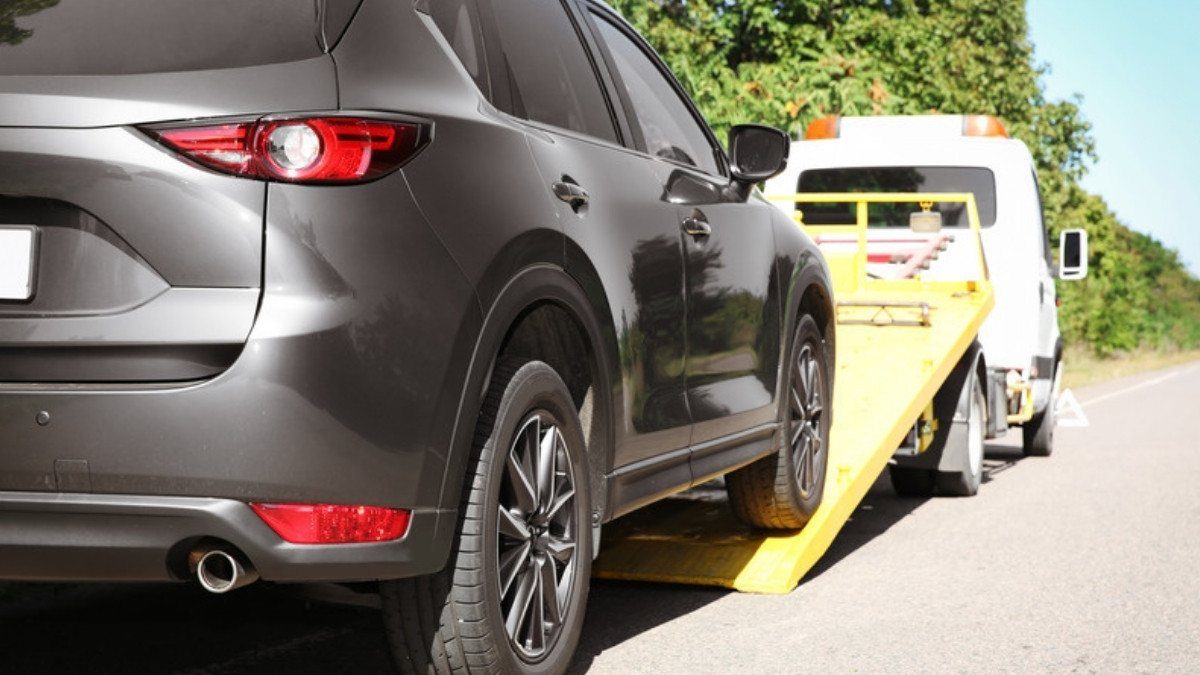
Knowing what to do after a car accident that was not your fault starts with two claims. One pays for the car, and the other pays for your injuries. Open a property claim with the other driver's insurer and keep every repair and rental receipt. Get medical care, and read any release before you sign it.
The South Carolina Department of Insurance's auto insurance FAQ answers the car questions first. It says the other driver's company must reimburse reasonable and necessary loss of use, which is the value of the days you go without your car. It also says you pick the body shop. For a totaled car, the company owes the car's value from the moment before the crash. What you finally collect depends on proof that the other driver caused the wreck and proof of your losses.
Frost Law Group represents Summerville drivers and passengers hurt by someone else's mistake on the road. Tara L. Frost helped institute the Trial Advocacy Board while earning her law degree at the Charleston School of Law. Jack C. Frost studied law there too. Together they treat the car claim and the injury claim as separate matters with separate rules.
Frost Law Group takes questions about a crash you did not cause at (843) 419-6653. The conversation is confidential, has no price tag and obligates you to nothing.
On this page
Whose Insurer Pays for Your Car and Rental
The other driver's liability insurer is responsible for your repairs and reasonable loss of use, such as a rental. That holds when its driver is legally at fault, and only up to the policy limits. Frost Law Group handles the property side of car crash claims along with the injury side, since each moves on its own track. If you carry collision coverage, your own policy may also pay under its terms, minus your deductible.
The measure behind that payment is old. A 1955 state Supreme Court case, Newman v. Brown, valued car damage as the difference between market value before and after the crash. Loss of use for a reasonable repair period came on top of that difference. Some insurers bill the rental company directly instead of paying you back.
Picture a rear-end hit where Dorchester Road meets Ladson Road, an intersection the 2024 SCDPS Fact Book tied to 49 collisions. Your car sits at a body shop, and you still need to reach work. Save each rental receipt and rideshare bill. The loss of use claim rests on what was reasonable and necessary, and a lawyer can measure that against the repair time.
Who Picks the Body Shop
An adjuster may suggest a particular shop, but the choice is yours. The Department of Insurance says you can have the car fixed wherever you want. Payment will still follow going market rates for the work, plus local average prices for parts and labor. A shop that charges more than that may leave a gap. Ask for a written estimate before work begins, and send a copy to the adjuster.
Using Your Own Policy When the Other Side Is Slow or Uninsured
Your own collision coverage, if you bought it, can pay for the repair under its terms, less the deductible. The Department of Insurance calls collision optional, though a lender may require it. If the driver at fault had no liability policy, your mandatory UM coverage includes a property damage part of at least $25,000 under Section 38-77-150. That part may exclude the first $200, which the Department says you should recover if your insurer later wins its money back from the uninsured motorist. Under Section 38-77-210, UM need not pay for damage another source already covered.
If the Other Insurer Stalls on the Car
A pending injury claim is no excuse for holding up the car money, and Section 38-77-330 says so. When neither liability nor the amount is in dispute, the statute calls for immediate payment. The Director of Insurance may add 8% interest to a payment held up for no good reason. The Department of Insurance also takes complaints from consumers who think an insurer is mishandling a claim. Whether a particular delay counts as unnecessary depends on the facts, which a lawyer can review.
What Happens If Your Car Is a Total Loss
According to the Department of Insurance, the at-fault insurer owes your car's used-car value as of the instant before impact. It treats the Blue Book as a guide and nothing more. An adjuster checks local prices for cars with the same make, model, year and mileage. The Department suggests doing that research yourself too, so keep the listings you find.
No South Carolina statute or regulation spells out how an insurer must value a total loss. That leaves the figure open to proof, such as recent service records, new tires or a clean interior. Frost Law Group can set the insurer's valuation report beside local sales of similar cars and flag the gaps. The Department adds that many companies keep paying for a rental on a totaled car until they make a settlement offer. What a particular car was worth depends on facts, so the evidence gathered matters most.
The 75% Figure Is a Title Rule
Many drivers hear that a car is totaled once repairs reach 75% of its value. That number comes from Section 56-19-480(G), a titling law.
For salvage title purposes, it counts a car as a total loss when repair cost reaches 75% of its fair market value. Parts and reasonable market labor both go into that cost. Cars worth $2,000 or less and antiques fall outside the rule. It never tells an insurer how much to pay you.
What Happens to Your Title
After a total-loss settlement, the insurer sends SCDMV the title along with a report on the damage. Under Section 56-19-480(B), the company may apply for a salvage title if you accept an offer but keep the title past 30 days. It first has to show two or more written attempts to get the title from you.
A salvage title marks the car as a total loss. A salvage car that someone later rebuilds gets a branded title, one annotated to show it was salvaged and rebuilt. The title question arises only after you accept an offer, so the value discussion comes first.
Can You Claim Diminished Value in South Carolina
Possibly, against the at-fault driver. South Carolina law on that claim is unsettled, and whether it fits your car depends on the facts. Diminished value means the drop in resale price that a crash history causes, even after good repairs. Frost Law Group can weigh the car's age, mileage and pre-crash condition before raising it with an insurer.
The firmest support comes from how South Carolina measures car damage. Newman described that measure as the gap between market value just before the crash and just after it. A repaired car with a crash history may still sell for less, and that gap drives the argument. Section 38-77-740(b), part of a property damage arbitration statute, lists depreciation among recoverable property damages. It never uses the words diminished value.
Diminished Value Under Your Own Collision Policy
Your own insurer is a different matter. The South Carolina Supreme Court's Opinion No. 25612, filed in 2003, answered questions sent up by the federal district court in South Carolina. It held that a State Farm policy paying the lower of actual cash value or repair cost owed nothing extra for lost value. The owner there admitted his car was fully and properly repaired. That result turned on one policy's wording, so a different policy needs its own reading.
Diminished Value Against the Driver Who Caused the Crash
That 2003 decision read an insurance contract. It did not decide a claim against the driver at fault or that driver's carrier. So the third-party question stays open in South Carolina.
Take a two-year-old SUV repaired after a sideswipe on Bacons Bridge Road. With clean service records, it may support a lost-value claim that an older car with prior damage might not. The outcome depends on the evidence, and nobody can promise an insurer will pay it.
What Should You Not Sign Early
Two kinds of paper should stay unsigned for now. One is any release that reaches your injury claim, and the other is a broad medical authorization. Let someone who knows the law read both first. A property payment and an injury settlement are separate, and a form that settles the car should say so and stop there. Frost Law Group can read a release line by line for words such as bodily injury or all claims.
Section 38-77-230 helps here. It says a property damage payment is no admission of liability on the other claims from the crash. The rule also works against you, so a quick check for the car proves nothing about your injuries either. Your injury claim must stand on its own evidence of fault and harm.
Releases Tied to Your Own Med Pay or UM
Your own carrier's paperwork deserves the same care. Under Section 38-77-260, an insurer paying first-party benefits such as med pay or UM may not seek a general release or an agreement to deduct that payment from your liability recovery. Any such paper is void unless the insurer first delivers a disclosure statement on a form the Director of Insurance approved. At least three days must also pass between that statement or the payment, whichever comes later, and your signature.
Deadlines That Keep Running While Treatment Continues
Deadlines keep running while you work out what to do after a car accident that was not your fault. You generally get three years to file an injury suit, per Section 15-3-530. The count begins, under Section 15-3-535, when you learned of the claim or reasonably should have. That discovery rule does not extend the car's own three-year window, which opens on the crash date.
Frost Law Group handles calls and forms from the other driver's insurance company, including recorded statements and records releases. After treatment shows the full injury, the firm can assess the value of a car accident injury claim. For the scene and the first calls, Tara and Jack also walk clients through the early steps after any South Carolina wreck.
Ask a Summerville Car Accident Lawyer About the Claim Ahead
A fast property check does not end your injury claim unless you sign that claim away. Frost Law Group can map what to do after a car accident that was not your fault. That map runs from the first rental receipt to the last medical bill. The Frosts can also say which papers to sign now and which to hold.
Frost Law Group's two attorneys work at 128 Linwood Lane, Summerville, SC 29483. A phone call there goes to one of the two lawyers rather than a call center. Ask about a free, confidential consultation, and bring the repair estimate, rental receipts, the insurer's letters and the report number.
Send Frost Law Group a message online or call (843) 419-6653, and the office can find a time that works around repairs and treatment.

The attorneys at Frost Law Group
 Tara L. FrostAttorney at Law · Personal injuryTara L. Frost focuses on personal injury, car accident and truck accident claims. A lifelong resident of the tri-county area, she meets clients at the Linwood Lane office in Summerville.
 Jack C. FrostAttorney at Law · Former Summerville police officer and Charleston County Sheriff's Office detectiveJack C. Frost spent fourteen years in law enforcement with the Summerville Police Department and the Charleston County Sheriff's Office before he practiced law.